How to Use Non-Lethal Defenses to Protect Your Home and Loved Ones
You can protect your home non-lethally by choosing tools like pepper spray ($10–$25) or stun guns ($20–$50), but only use them if you reasonably believe there’s an imminent threat, as courts weigh proportionality. Reinforce doors and windows with sturdy frames ($100–$300) or impact-resistant glass ($35–$100/sq ft) to deter break-ins. Have a clear response plan, train everyone safely and regularly, and keep devices charged and secure-knowing your legal limits helps avoid trouble while keeping loved ones safe. More strategies follow.
Notable Insights
- Choose legally accepted non-lethal tools like pepper spray or stun guns based on threat level and local laws.
- Reinforce doors and windows with impact-resistant materials to deter forced entry effectively.
- Establish a home defense plan with clear escape routes, secure rooms, and emergency communication methods.
- Train all household members safely on using non-lethal devices and responding to intrusion scenarios.
- Conduct monthly drills to ensure everyone can react calmly and correctly during a real break-in.
Understand the Legal Limits of Non-Lethal Home Defense
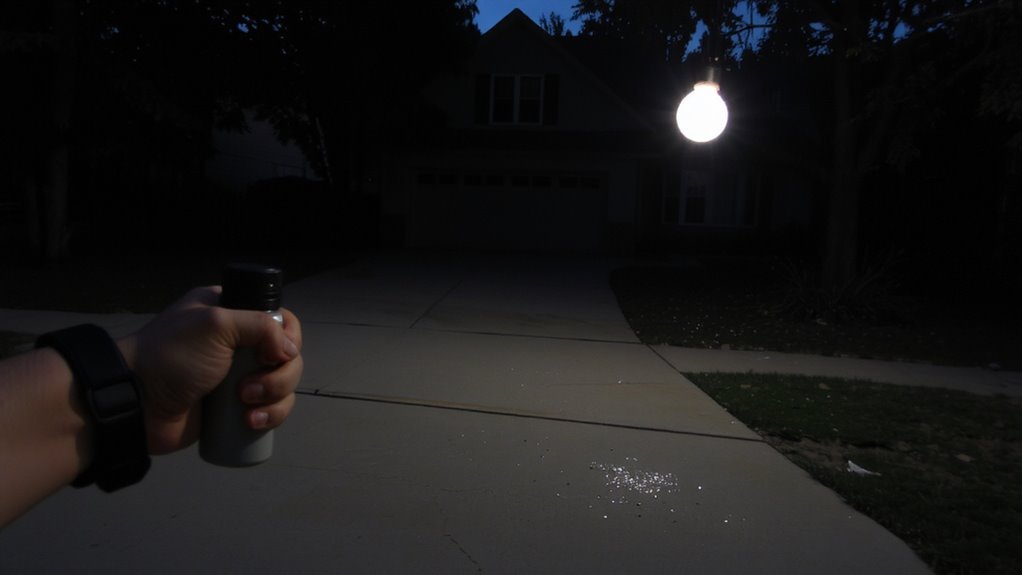
Why do some non-lethal tools lead to legal trouble while others are widely accepted? The difference often comes down to use of force laws and how courts view proportionality. You can face legal liability if your response seems excessive, even with non-lethal tools. For example, deploying pepper spray against an unarmed intruder might be justified, but using an electric stun gun could be seen as unreasonable depending on the situation. Laws vary by state, so knowing your local standards is essential. You must reasonably believe there’s an imminent threat to yourself or others. Simply owning a tool isn’t enough-you need a clear, defensible reason for using it. Overreacting may lead to lawsuits or criminal charges. Always document your decisions and consider consulting a legal expert. Safety and legality go hand in hand.
Choose Effective Non-Lethal Tools for Your Home
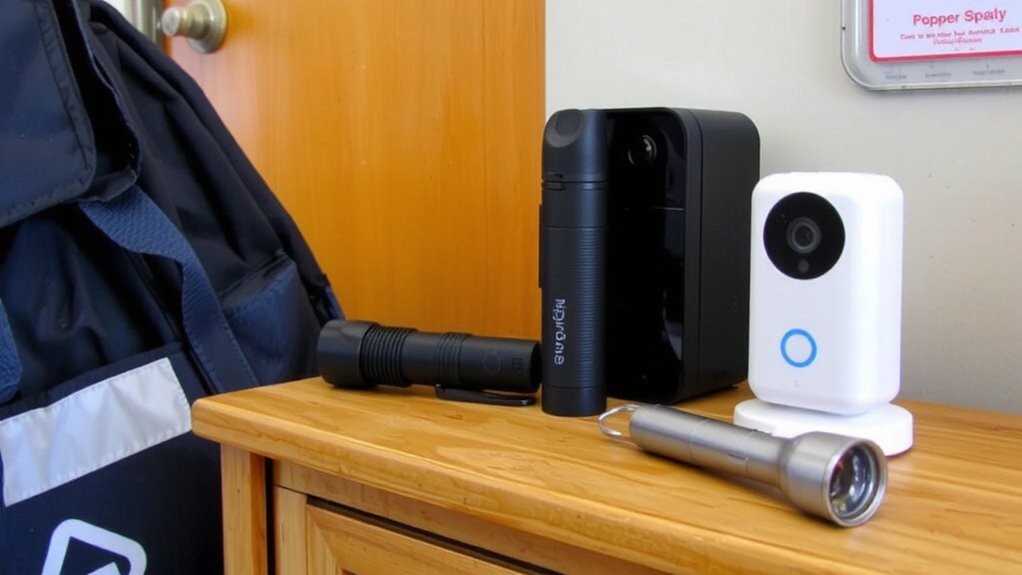
When selecting non-lethal tools for home defense, your best options balance effectiveness, safety, and legal acceptability. Pepper spray is widely accessible and effective at distances up to 10 feet, giving you space during a threat; look for models with UV marking and fog patterns for better coverage. Stun guns require close contact but deliver high-voltage shocks that disrupt muscle control, temporarily incapacitating an attacker. Both are generally legal, but check local laws, as restrictions vary by state or municipality. Pepper spray is affordable, usually $10–$25, and has minimal training needs. Stun guns cost $20–$50 and should be stored securely to prevent misuse. Neither causes lasting harm when used properly. Prioritize reliability by choosing reputable brands with safety features. Keep tools charged, accessible, and maintained. Practice situational awareness-these devices work best when deployed promptly and confidently. For reliable options, consider checking out the Best OC Spray Picks based on performance and user feedback.
Secure Doors and Windows With Non-Lethal Barriers

A strong first line of defense starts with reinforcing your home’s entry points using non-lethal barriers that deter intruders without causing harm. You can upgrade weak spots by installing reinforced frames on all exterior doors and windows-these resist forced entry better than standard models. Pair them with impact resistant glass, which holds up to blunt force and makes breaking in much harder. These upgrades don’t just slow intruders; they often stop attempts altogether. Reinforced frames typically cost $100–$300 per opening, while impact resistant glass ranges from $35 to $100 per square foot, depending on thickness and rating. Though the upfront cost may seem high, it’s a long-term investment in safety. Together, they offer a proven, effective way to strengthen your home without relying on dangerous measures. For added security, consider installing best window locks to further prevent unauthorized access.
Build a Step-by-Step Home Defense Response Plan
How prepared are you if someone tries to break in while you’re at home? You need a clear, step-by-step home defense response plan to stay safe without resorting to lethal force. Start by mapping escape routes and identifying a secure room where everyone will gather. Establish emergency protocols for calling police, locking doors, and using non-lethal tools like alarms or pepper spray. Assign roles based on age and ability, ensuring swift, calm action. Practice response drills monthly so reactions become automatic. Drills reveal flaws in your plan and improve coordination under stress. Include communication signals, such as a code word, to confirm safety. Review your plan after any drill or major household change. A well-practiced strategy increases effectiveness, reduces panic, and boosts safety for everyone. Consider installing a reliable best motion sensor alarms system to detect intruders early and trigger immediate alerts.
Train Every Household Member Safely and Responsibly
You’ll want to make sure everyone in your home knows exactly what to do during a break-in, especially if your defense strategy relies on non-lethal tools and coordinated action. Conduct regular family drills so each member can practice responses calmly and correctly. These drills should simulate various scenarios, like nighttime intrusions or rear-entry breaches, ensuring everyone knows where to go and what to do. Emphasize safety rules at all times-treat every device as loaded, never point it at anyone unless absolutely necessary, and secure tools out of children’s reach when not in use. Training includes reviewing how each tool works, its range and effectiveness, and legal considerations. Everyone, including teens, should understand when and how to call 911. Practicing together builds confidence and reduces panic. Consistent training, clear roles, and strict adherence to safety rules make your non-lethal defense plan both responsible and effective.
On a final note
You now know the legal limits, effective tools, and ways to secure entry points without lethal force. By building a clear response plan and training everyone in your home, you improve safety responsibly. Non-lethal defenses, like alarms and reinforced locks, offer practical protection with lower legal risks. Weigh costs, ease of use, and reliability when choosing options, and practice regularly to guarantee readiness.