Mapping Repeat Offense Locations to Propose Targeted Lighting Upgrades With Code Enforcement
You can cut repeat offenses by mapping crime hotspots-data shows poor lighting fuels nighttime crime. Target high-risk streets, especially near transit or vacant lots, with energy-efficient LED fixtures and motion sensors. Pair upgrades with strict code enforcement to maintain proper brightness and placement. Shielded, full-cutoff lights reduce glare and energy use by up to 50%. Cities save money while improving safety. Evidence proves better-lit areas see fewer crimes-your neighborhood could be next.
Notable Insights
- Analyze crime data to map repeat offense hotspots, focusing on areas with poor lighting and low visibility.
- Prioritize high-risk streets near transit stops and vacant lots for targeted LED lighting upgrades.
- Install shielded, full-cutoff LED fixtures with motion sensors to improve safety and reduce energy use.
- Pair lighting improvements with code enforcement to ensure ongoing maintenance and compliance with standards.
- Scale pilot projects citywide using data-driven results, community feedback, and phased implementation strategies.
Why Repeat Offenses Cluster in Poorly Lit Areas
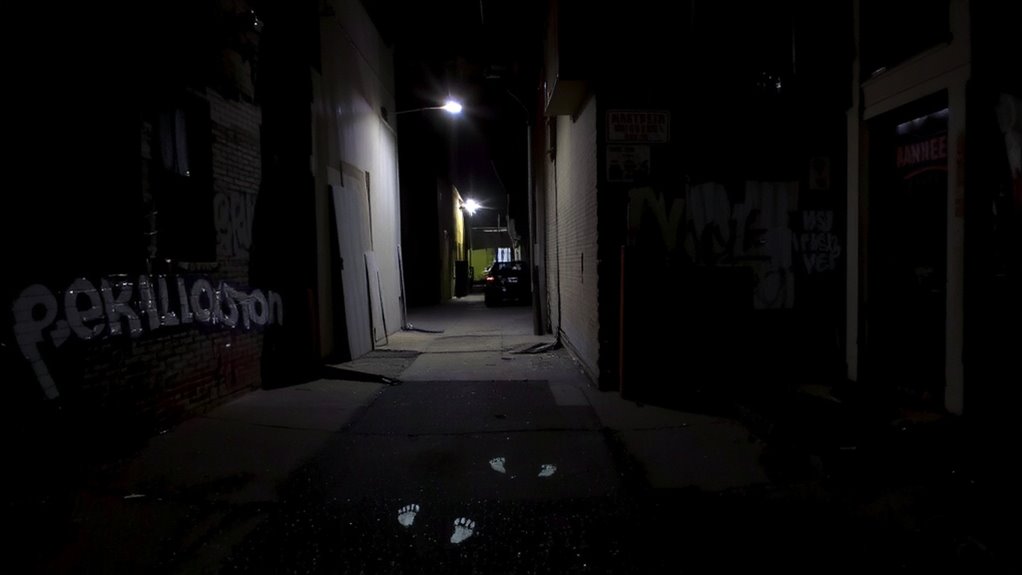
While lighting might seem like a minor detail, it plays a key role in whether crime happens repeatedly in certain spots. You’re more likely to see repeat offenses in poorly lit areas because low visibility gives offenders cover. Studies show that improving street lighting can reduce nighttime crime by up to 20%, but you’ve got to balance this with light pollution and energy costs. Poorly aimed or overly bright lights contribute to skyglow, disrupting wildlife and neighborhoods. LED fixtures with motion sensors cut energy costs by up to 50% compared to older bulbs and limit unnecessary illumination. When upgrading, choose fixtures rated for full cutoff to minimize glare. Proper placement matters-overhangs and poles should be spaced every 100 feet. These changes don’t need huge budgets; many cities recoup costs in two to three years through reduced crime and lower utility bills.
Map Crime Hotspots to Find Repeat Offense Zones
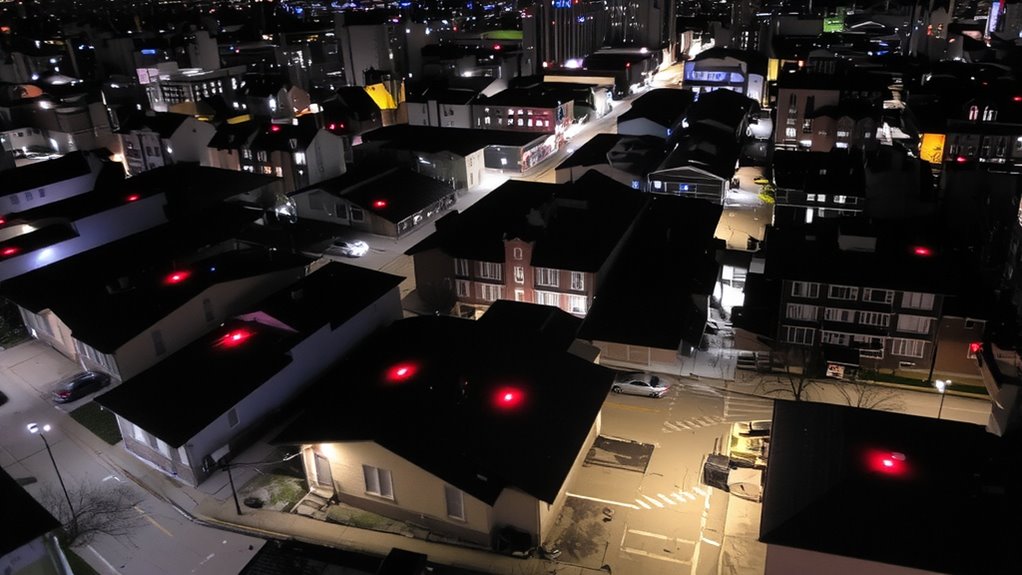
How do you know where crime is most likely to happen again? You map past incidents using police data and geographic tools to pinpoint hotspots. These zones often cluster near public transit stops, where foot traffic offers cover, and around vacant lots, which provide concealment. Analyzing this data reveals patterns-repeat offenses aren’t random. They occur where lighting is poor, visibility low, and maintenance lacking. By layering crime reports with city maps, you identify areas with recurring incidents over months or years. Public transit hubs with frequent late-night use need attention, as do overgrown vacant lots near residential blocks. Mapping these spots helps prioritize which neighborhoods face the highest risk. This step isn’t about assumptions-it’s evidence-based. You use real data to highlight where intervention is most needed, setting the stage for targeted improvements that address root conditions.
Target High-Risk Streets for Lighting Upgrades
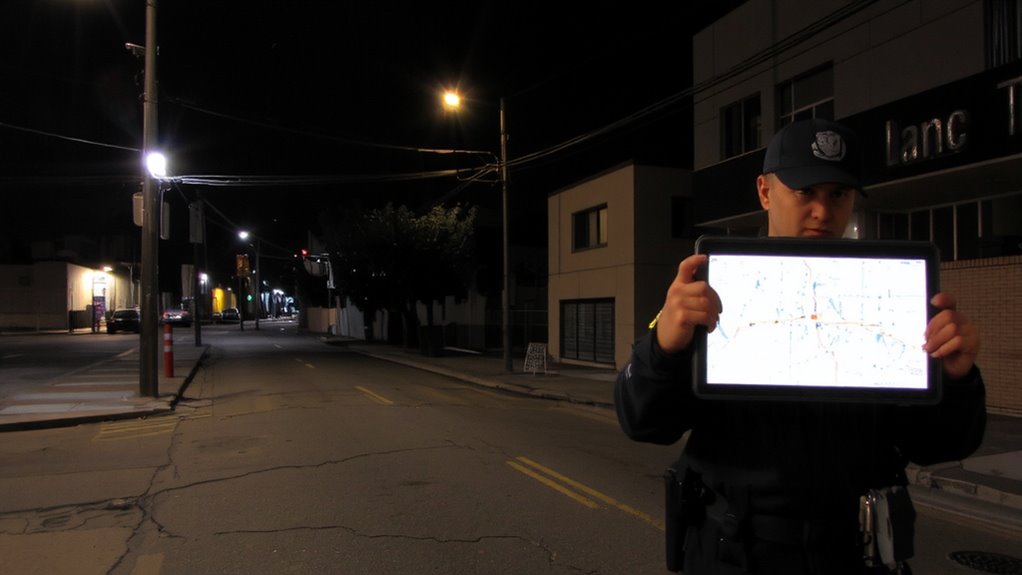
You’ve already mapped the hotspots where crime tends to repeat, and now you can take a targeted step forward-improving street lighting in those high-risk areas. Focus on streets with poor visibility, especially near intersections or where foot traffic drops at night. Good lighting isn’t just about brightness-it’s part of smart street design and effective urban planning. Use data to prioritize roads with both high crime rates and low illumination. LED fixtures are ideal: energy-efficient, long-lasting, and cost-effective over time. Installation costs vary, but the return on safety can be significant. Place lights where they enhance natural surveillance, avoiding shadows that hide activity. Coordinating with city planners guarantees upgrades fit broader infrastructure goals, making neighborhoods not only safer but more walkable. Strategic lighting investments support long-term public safety, guided by evidence, not guesswork.
Pair Better Lighting With Code Enforcement
When you improve lighting in high-risk areas, pairing those upgrades with stronger code enforcement can make interventions more effective and longer lasting. You’ll want to guarantee property owners maintain fixtures and comply with brightness and placement guidelines to avoid light pollution. Proper enforcement helps balance public safety with urban aesthetics, preventing glare and unnecessary spill into homes. Use shielded LED fixtures mounted at standard heights to meet both security and design goals. Codes should require motion sensors and timer use where possible, reducing energy use and over-illumination. Regular inspections and fines for noncompliance keep standards consistent. While upfront costs for compliant fixtures range $50–$150 each, they save money over time. Planning with community input guarantees solutions support safety, visibility, and neighborhood character without creating new issues.
Do Brighter Streets Reduce Repeat Offenses?
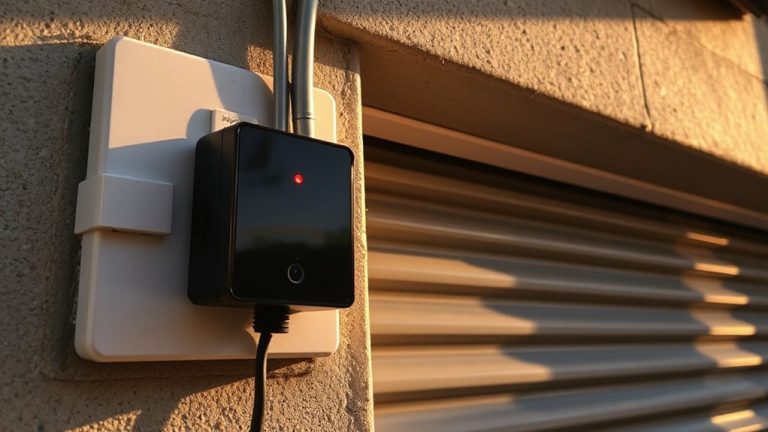
Could better-lit streets actually cut down on repeat crimes in your neighborhood? Research suggests yes-well-lit areas disrupt crime trends by increasing visibility and deterrence. Dark alleys and poorly lit sidewalks often harbor repeat offenses, making targeted lighting upgrades a smart, evidence-based strategy. Strategic lighting doesn’t just improve perception of safety-it reduces opportunities for criminal behavior. Installing wireless motion sensor lights can enhance security in high-risk areas without the need for extensive wiring.
| Feature | Pro | Con |
|---|---|---|
| LED Streetlights | Energy-efficient, long lifespan | Higher upfront cost |
| Motion-Sensor Lights | Reduces light pollution | Limited coverage area |
| Full-Cutoff Fixtures | Minimizes glare, directs light downward | Requires careful placement |
| Solar-Powered Lights | No wiring needed, eco-friendly | Dependent on sunlight |
Data shows lighting correlates with lower nighttime crime. When paired with code enforcement, upgrades in high-repeat zones deliver measurable results.
Involve Communities in Safer Lighting Projects
While safer lighting can deter repeat offenses, involving residents in planning and implementation increases both effectiveness and trust. You build community trust when you listen to local concerns and incorporate feedback into lighting plans. Resident engagement guarantees installations meet real needs, like brighter pathways or parking areas where people feel unsafe. Hold meetings, distribute surveys, or use mapping tools to gather input. Data shows neighborhoods with engaged residents report higher satisfaction and lower fear of crime. You’ll also reduce resistance to change and improve long-term support. Include residents early-when selecting locations, fixture types, or dimming schedules. While this takes time, the payoff is more targeted, accepted solutions. Remember, well-placed lights work better when the community helps decide where they go.
Grow Lighting Programs From Pilot to Citywide
How do you turn a small, successful lighting pilot into a citywide safety upgrade? You scale strategically, using crime data and community feedback to guide expansion. Start by installing smart sensors in new areas to monitor usage and effectiveness. These devices help adjust lighting based on activity while raising valid data privacy concerns-ensure encryption and clear usage policies. Partner with local agencies to share costs and strengthen trust. Use the pilot’s success to secure funding for phased rollouts.
| Feature | Benefit |
|---|---|
| Smart sensors | Adjust light based on movement, saving energy |
| Data privacy protocols | Protect resident information, build public trust |
| Phased rollout | Manage costs, refine approach before full expansion |
Track outcomes like reduced repeat offenses and energy use. Adjust plans using real data, not assumptions.
On a final note
You can reduce repeat offenses by upgrading lighting in crime hotspots identified through data mapping. Pair brighter streetlights with code enforcement to maintain improvements. Studies show well-lit areas deter crime, but success depends on community input and consistent maintenance. Start with a pilot, track results, then expand citywide. Plan for upfront costs-around $1,000–$3,000 per fixture-but expect long-term safety gains.