Creating a Secure Environment for Aging Parents: Tips and Strategies to Consider
Start with a safety walkthrough to catch fire and fall risks, then upgrade lighting-especially in hallways and bathrooms-with LEDs and motion sensors. Install grab bars and non-slip mats in the bathroom, and clear clutter from walkways to cut fall risk by up to 30%. Use smart sensors and medical alert systems with fall detection and fast response times. Most safety gear costs $30–$100, with easy installation. You can make lasting improvements without major renovations-there’s more to explore on balancing safety, independence, and cost.
Notable Insights
- Conduct a home safety inspection to identify and fix fire, electrical, and tripping hazards.
- Install bright, motion-activated lighting in hallways, bathrooms, and common paths to prevent nighttime falls.
- Add grab bars, non-slip mats, and a shower bench to enhance bathroom safety without major renovations.
- Reduce fall risks by decluttering walkways, removing loose rugs, and securing cords along walls.
- Use smart safety technology like fall-detection alerts and remote monitoring for real-time emergency response.
Start With a Home Safety Walkthrough
While it may seem overwhelming at first, starting with a thorough home safety walkthrough is the most effective way to identify potential hazards and make informed improvements for your aging parents. You should check every room for fire hazards, such as outdated appliances, unattended candles, or clutter near heat sources. Pay close attention to electrical outlets: guarantee they aren’t overloaded, have no loose plugs, and are not located behind furniture. Use outlet covers if necessary, especially if cognitive decline is a concern. Look for frayed cords or extension cords used long-term-these increase fire risks. Installing smoke detectors near kitchens and bedrooms reduces danger. A checklist helps track fixes, and a professional inspection can provide added assurance. Most improvements are low-cost, with outlet safety devices costing under $20. Planning now prevents emergencies later. Consider adding a personal alarm for seniors to enhance emergency response in case of falls or medical incidents.
Light Every Room to Prevent Falls
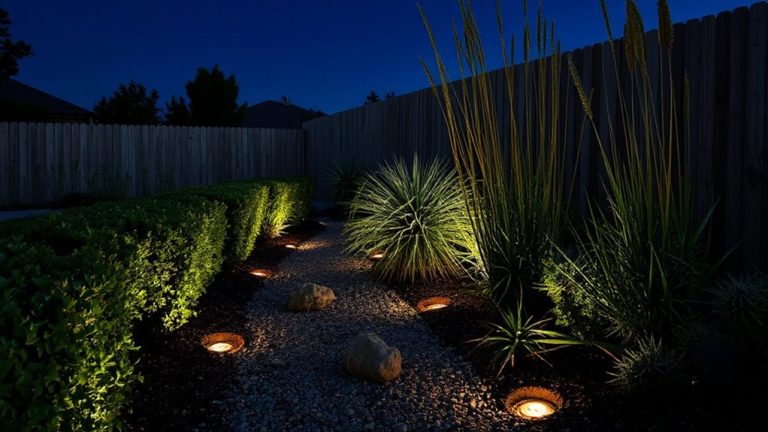
Good lighting isn’t just about comfort-it’s a key factor in preventing falls, which are a leading cause of injury among older adults. You should guarantee every room has bright, consistent light, especially along paths to the bathroom or kitchen. Install task lighting under cabinets or near reading chairs to eliminate shadows. Motion sensors are a smart addition-they turn on lights automatically when someone enters a room, which is helpful at night and reduces the need to fumble for switches. LED bulbs last longer and use less energy, saving money over time. Place nightlights in hallways and bedrooms for added safety. Avoid cluttered cords or floor lamps that could trip someone. Consider smart lighting systems, which let you adjust brightness remotely. While more expensive upfront, they offer convenience and peace of mind. Consistent, well-placed light means fewer hazards and greater independence.
Make Bathrooms Safer With Grab Bars and Mats
Your bathroom’s safety setup can make all the difference when it comes to preventing slips and falls, which account for over 80% of injury-related bathroom incidents among older adults. Installing grab bars near the toilet and in the shower gives you reliable support where you need it most. Make sure they’re anchored into wall studs, not just tile, for maximum strength. Pair them with non slip flooring to reduce the risk of sliding on wet surfaces. A shower chair or bath bench provides secure seating, helping you conserve energy and stay stable. Choose mats with suction grips that stick firmly to the floor. Together, these features create a safer bathing environment without major renovations. Most supplies cost between $30 and $100, with professional installation adding minimal expense. Small upgrades now can prevent serious injuries later.
Clear Paths, Fewer Falls: Declutter Key Areas
Because cluttered pathways are a leading cause of falls among older adults, clearing key areas like hallways, entryways, and common rooms can considerably reduce accident risks. You can improve lighting by adding brighter bulbs or motion-sensor lights to help your parent see obstacles at night. Remove loose rugs, excess furniture, and scattered items that block natural walking paths. Organize storage with labeled bins and closed cabinets to keep clutter out of walkways while maintaining easy access. Place frequently used items within reach to prevent overreaching or bending. Secure electrical cords against walls to keep them off the floor. These changes support safer movement and encourage independence. Studies show that decluttering combined with better lighting reduces fall risks by up to 30%. Small efforts now can prevent serious injuries later.
Add Smart Sensors for Independence
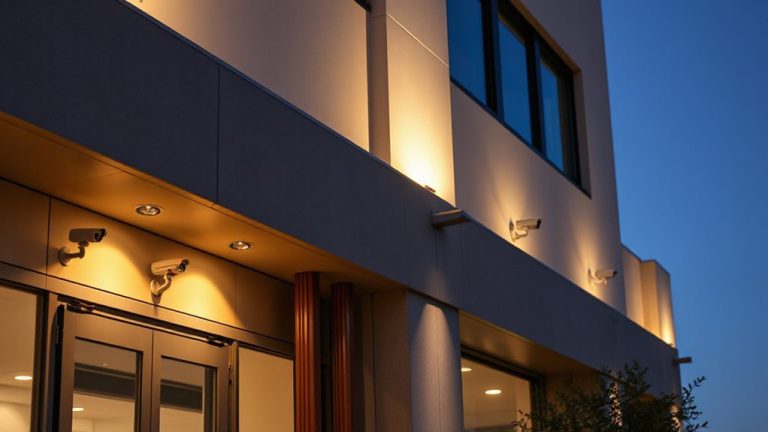
While aging parents value their independence, safely living alone often requires subtle support systems that don’t interfere with daily life-smart sensors offer a practical solution. Using motion detection, these devices track activity patterns in key areas like the kitchen or bedroom, alerting you to unusual inactivity. Remote monitoring lets you check in without constant calls, reducing stress for both you and your parent. Most systems send alerts through smartphone apps, with customizable notifications for specific events. Sensors are easy to install, often requiring no wiring, and many work with existing Wi-Fi. Prices range from $25 to $150 per unit, with optional subscription plans for advanced features. While false alerts can occur, proper placement improves accuracy. These tools support safety without infringing on privacy, promoting independence while giving you peace of mind through reliable, real-time insights. For added security, consider models recognized as the best motion sensor alarms, which offer enhanced detection accuracy and user-friendly integration.
Choose the Right Medical Alert System
If staying safe at home means being prepared for emergencies, a medical alert system can be a critical part of that plan. These systems provide medical alerts with just the push of a button, connecting your parent to 24/7 emergency response centers. Look for systems with fall detection, waterproof pendants, and long battery life. Some offer GPS tracking for protection outside the home. Landline-based models are reliable and often cheaper, while cellular options work during power outages. Consider monthly fees, which typically range from $20 to $50, and check if setup is professional or DIY. Reliable systems have fast emergency response times, usually under 30 seconds. Make sure the device is easy to use and wear every day. Test the signal strength in key areas of the home. Choosing the right system means balancing cost, features, and your parent’s daily needs.
Talk to Your Parents About Safety: The Right Way
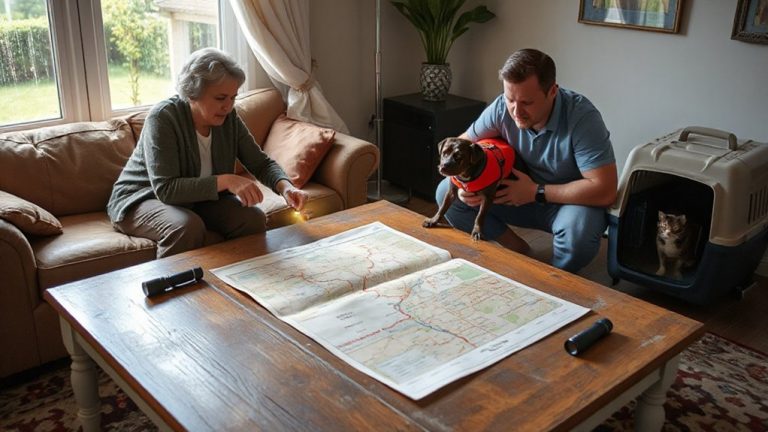
How do you bring up safety without sounding like you’re taking control? Start by evaluating their emotional readiness-timing matters. Approach the topic as a shared concern, not a declaration of decline. Use everyday moments, like a spilled drink or a late-night fall, to spark conversation. Listen more than you speak, and acknowledge their independence. Family dynamics play a big role-sibling input can help or complicate things, so align on messaging first. Frame safety upgrades as practical steps, not emergencies. Suggest small wins first: grab bars, motion lights, or a medical alert system. Avoid overwhelming them with too many changes at once. Your goal is collaboration, not control. Respect their choices while gently guiding toward proven solutions. This approach builds trust and increases the odds they’ll accept help before a crisis. Consider introducing a best personal safety device to provide peace of mind for both them and you.
On a final note
You can help keep your aging parents safe by making simple, evidence-based home changes. Install grab bars, improve lighting, and clear walkways to reduce fall risks. Smart sensors and medical alert systems add independence and peace of mind. Talk openly about safety, focusing on their needs. Plan upgrades by priority and budget, starting with high-impact, low-cost fixes. These steps, backed by research, support independence while lowering accident risks.