Advanced Techniques for Self-Defense Using Non-Lethal Weapons at Home
Choose a non-lethal weapon that fits your home layout-pepper spray for small spaces, stun guns or tactical flashlights for larger areas-and store it in a bedside biometric safe for sub-2-second access. Use force only when an immediate threat exists, not preemptively or out of anger, to stay within legal self-defense boundaries. Position yourself near exits, use furniture for cover, and maintain a 45-degree angle to control distance. Calmly de-escalate with phrases like “I understand you’re upset,” which helps in 60–70% of confrontations. Practice realistic drills in low light to boost response speed by up to 40%, and keep devices charged and ready-knowing what works in your space makes all the difference when every second counts. You’ll soon see how fine-tuning these elements sharpens your home defense strategy.
Notable Insights
- Match non-lethal weapons to home layout: use compact pepper spray in tight spaces, stun guns in larger areas for better control.
- Apply tactical positioning by using furniture as barriers and staying near exits to maintain escape routes and situational awareness.
- Use sound-based deterrents strategically in enclosed spaces, but be aware of potential impact on family members’ hearing and stress levels.
- Combine verbal de-escalation with weapon readiness-use calm, confident language to reduce aggression while maintaining a defensive stance.
- Train regularly in low-light conditions using realistic scenarios to improve response speed and ensure safe, legal use of non-lethal tools.
Choose the Right Non-Lethal Weapon for Your Home
While you might assume any non-lethal weapon will work in a home defense situation, choosing the right one depends on your specific needs, living environment, and ability to respond under stress. Weapon selection should align with your home layout-you’ll need something effective in tight hallways or open spaces. For smaller homes, a compact pepper spray is affordable and easy to deploy, though it requires accurate aim. Larger homes might benefit from a stun gun or tactical flashlight combo, offering both intimidation and illumination. Consider storage access and response time; if you sleep upstairs, keep a device nearby. Some tools, like sound-based deterrents, work well in enclosed spaces but can affect family members too. Train briefly with your chosen tool and verify local regulations. A $20–$50 investment now could help prevent chaos later. For reliable protection, consider selecting from the Best OC Spray Picks based on performance and user reviews.
Know When You Can Legally Use Force
When can you actually use a non-lethal weapon in your home without breaking the law? You must understand your legal boundaries and self defense rights. You’re allowed to use force only when you reasonably believe an intruder poses an imminent threat of harm. That means you can’t act out of anger or use a weapon preemptively. Most states protect your right to defend yourself inside your home under “stand your ground” or “castle doctrine” laws. But these protections vary, so check your state’s rules. Using non-lethal force after the threat ends could violate legal boundaries and lead to charges. Your self defense rights don’t cover punishment-only prevention. Always aim to stop the threat, not retaliate. Knowing when force is justified keeps you safe, legally and physically.
Use Distance and Angles to Stop a Threat
How can you stay safe without putting yourself in greater danger? Use distance and angles to control threats before they reach you. Tactical positioning means placing furniture or barriers between you and an intruder, creating space to react. Keep non-lethal weapons like pepper spray or a stun gun within quick reach but out of sight. Stay near exits when possible to maintain options. Angles matter-position yourself so the threat can’t approach head-on; even a 45-degree shift limits their momentum. Spatial awareness helps you spot movement early and respond calmly. Avoid cornering yourself in small rooms. Instead, stay in open areas where you can move freely and maintain line of sight. These techniques improve response time and reduce risk. Practice layouts at home to refine your strategy. Distance and angles are simple, proven tools that boost your safety without escalating force.
Use Your Voice to De-escalate First
You’ve already set up space and angles to stay safe-now use your voice to keep danger from escalating further. Speaking calmly and confidently can redirect aggression before it turns physical. Use Verbal Judo to guide the conversation, acknowledging the other person’s feelings without surrendering control. Phrases like “I understand you’re upset, but we can talk” show empathy while maintaining boundaries. Your tone matters-practice Tone Control to sound firm, not threatening. A steady, level voice is more likely to de-escalate than shouting or pleading. Studies show verbal techniques reduce conflict intensity in 60–70% of encounters. Start with clear, simple statements and avoid sarcasm or challenges. If the person disengages, give space. If threats continue, prepare to act. Training in verbal tactics takes time, but even basic skills improve outcomes. Your voice is your first, safest tool-use it before reaching for any device.
Train With Realistic Home Defense Scenarios
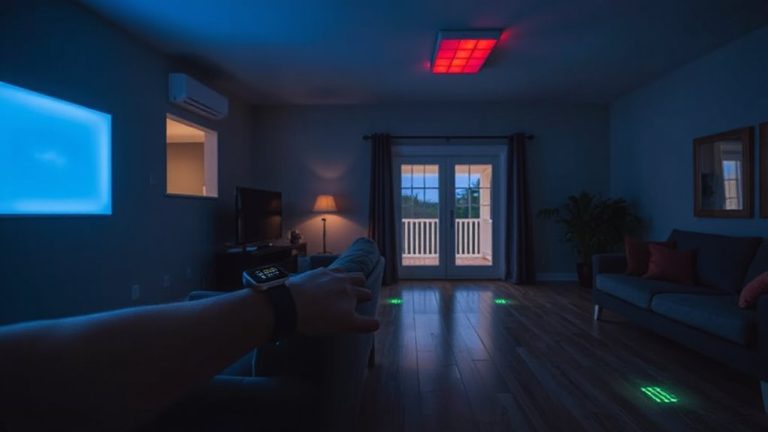
What would you do if an intruder appeared in your home at 3 a.m.? Practicing realistic home defense scenarios prepares you to respond quickly and effectively. Scenario repetition helps you process stress, identify escape routes, and decide when to use non-lethal tools. Over time, this repetition builds muscle memory, so your body reacts correctly even under pressure. Train in low light, wearing nightclothes, and from common starting points like your bedroom. Use role-play with a trusted partner to simulate real threats, but never point any device-real or training-at another person unless safe and legal. Include verbal warnings in drills to reinforce de-escalation. Consistent, structured practice improves decision-making speed by up to 40%, studies show. Start with simple setups, then add variables like noise or multiple rooms. Even 10 minutes weekly strengthens readiness without high cost or equipment.
Store for Fast, Safe Access
After building confidence through realistic drills, the next step is guaranteeing your non-lethal weapon is both secure and instantly accessible when seconds matter. Choose a Secure Location that keeps the device away from children and unauthorized users, yet allows Quick Retrieval during emergencies. Consider a locked drawer or a biometric safe near your bedside or living area-locations you frequent but others don’t easily access. These safes open in under two seconds with a fingerprint, balancing safety and speed. Avoid storing weapons in hard-to-reach places like high shelves or basements. For Quick Retrieval, guarantee the storage spot is consistent and known only to you. Test access time regularly. While some safes cost $50–$150, the investment supports reliable home defense. Proper storage isn’t just about security-it’s about readiness when it counts. Top models offer fast biometric access and best gun safes for reliable home protection.
On a final note
You now have practical tools to enhance home defense safely. Choose non-lethal weapons like pepper spray or stun guns based on ease of use and reliability. Always follow legal guidelines for force. Use distance, positioning, and your voice first to reduce risk. Train regularly and store devices securely but within quick reach. Planning improves response, and preparedness increases safety for everyone at home.