Setting up Emergency Alert Systems for Family Members With Hearing Impairments
Standard alarms won’t work for the deaf since they rely on sound. Install flashing lights-$30–$120 each-to signal fires or calls with color-coded alerts. Use bed shakers ($50–$150) for strong vibrations during emergencies. Pair with smartphone apps that deliver visual and vibrating notifications from local alerts or home systems. Combine devices, test weekly, and integrate into daily routines. Costs range $100–$300, depending on home size and needs. More details on optimizing each system are available.
Notable Insights
- Use flashing light alarms synchronized with smoke detectors for visible emergency signals.
- Install bed shakers that vibrate under mattresses to wake deaf family members during emergencies.
- Equip doorbells and phones with visual alerts using color-coded strobe lights for different signals.
- Download smartphone apps that deliver emergency alerts via flashing screens and strong vibrations.
- Test all alert systems weekly and integrate them with smart home devices for full coverage.
Why Regular Alarms Don’t Work for the Deaf
How do you know when an emergency alarm goes off if you can’t hear it? Regular alarms rely on sound, which means they’re ineffective for people with auditory limitations. If you can’t perceive the high-pitched tone, the alarm might as well not exist. That’s a serious safety risk during fires, break-ins, or carbon monoxide leaks. The issue lies in signal perception-standard systems send auditory signals, but no visual or tactile alerts. Without alternative cues, you’re left unaware until it’s too late. Studies show that deaf individuals often learn about emergencies secondhand, delaying response time. For reliable protection, you need alerts that replace or supplement sound with vibrations or strobe lights. Look for certified systems integrating bed shakers or wearable buzzers. While prices vary from $100 to $300, investing in multisensory alerts greatly improves emergency readiness. Planning guarantees everyone in the household stays safe, regardless of hearing ability.
Flashing Lights That Signal Emergencies Instantly
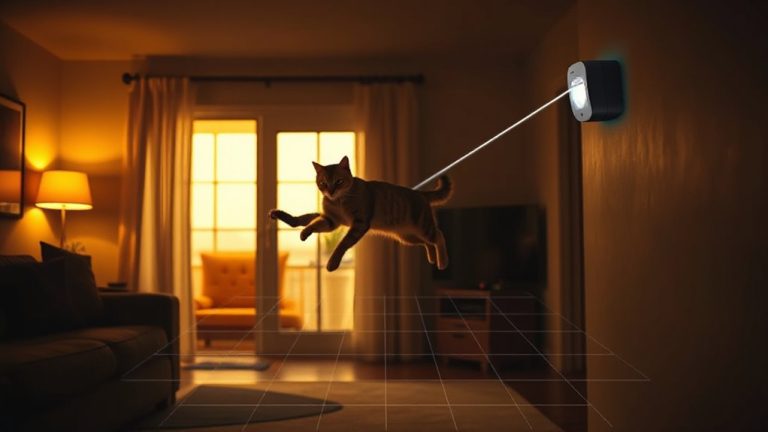
When an emergency strikes, can you count on seeing the warning? Flashing lights give that visual cue instantly. These systems sync with smoke detectors, doorbells, or phones, lighting up when danger arises. You’ll want to take into account color coding-red often means fire, blue for door alerts, amber for phone calls-so you react correctly. Light placement is key: install units in bedrooms, hallways, and common areas to guarantee visibility. Mount them high on walls or ceilings for wider coverage. Most models use LED bulbs, lasting years with little power. They’re reliable, cost between $30 and $120 per unit, and many work with existing home systems. While setup takes planning, the clarity they offer makes them essential. Proper color coding and smart light placement increase safety for anyone with hearing loss.
Vibrating Devices That Wake You Without Sound
Though you can’t rely on sound to wake you during an emergency, vibrating devices offer a reliable alternative by delivering strong physical alerts directly to your body. Devices with bed shaking functions slip under your mattress and produce powerful vibrations you can feel, even during deep sleep. Others use wrist buzzing, like wearable alarms that pulse gently but firmly on your arm. Bed shakers typically connect to smoke detectors or alert systems and activate instantly when danger is detected. Wrist buzzers are portable and often rechargeable, ideal if you move between rooms. Most units work with existing home safety gear and require minimal setup. They usually cost between $50 and $150, with bed shakers on the lower end. Look for models with adjustable intensity and battery backups. These features help guarantee you’re alerted every time, without fail.
Emergency Alert Apps for Smartphones and Tablets
You already use vibrating devices to stay alert while sleeping, but your smartphone or tablet can also play a key role in emergency notifications. Modern emergency alert apps offer app integration with local alert systems, public safety networks, and home security devices, ensuring timely updates during crises. With user customization, you can adjust vibration patterns, choose visual alerts like flashing screens, and set notification priorities for fire, weather, or security events. Most apps support both iOS and Android, work with TTY and captioned telephony, and some are free or low-cost, though premium versions offer expanded features. While reliable, performance depends on your device’s battery and network connection, so regular maintenance is essential. These apps complement physical alert systems but shouldn’t replace them entirely. With careful setup, they add a flexible, portable layer to your emergency plan.
Build Emergency Alerts Into Daily Routines
Since emergency alerts can arrive at any time, making them part of your daily habits guarantees you won’t miss critical updates, especially if you rely on visual or vibrating signals. Routine integration helps guarantee devices like phones, smartwatches, or bed shakers are always charged and within range. You can support habit formation by checking alert settings during daily routines-like when you brush your teeth or prepare for bed. Test alerts weekly so the system stays reliable. Pairing notifications with existing habits increases consistency and response speed. Over time, this practice strengthens your ability to react quickly during real emergencies. Make it easier by placing alert devices in consistent, visible spots. These small steps improve preparedness without added stress. Routine integration isn’t about big changes-it’s about steady, smart adjustments that build long-term safety. Habit formation turns vigilance into automatic behavior, which is essential when every second counts.
Custom Solutions for Homes, Apartments, and Seniors
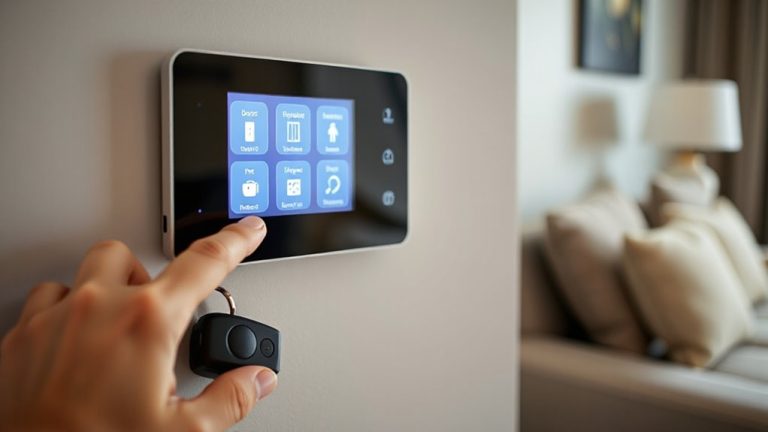
Building on the habit of daily alert checks, you can now focus on tailoring those systems to your specific living environment. For homes or apartments, smart home integration lets you connect doorbells, smoke detectors, and security systems to visual alerts like strobe lights or mobile notifications. Many platforms support apps that send real-time updates to your phone or tablet. Wearable alert systems, such as smartwatches or bed shakers, deliver vibrations when alarms trigger. These work well for seniors who may sleep deeply or live alone. Smart home setups offer flexibility but may require technical setup and monthly fees. Wearable devices are portable and reliable, though battery life varies. Consider your layout, budget, and mobility needs. Start with one room, then expand. Most systems cost $100–$300, depending on features. Test alerts weekly to verify they function.
On a final note
You can protect your family by using flashing lights, vibrating pads, or smart apps designed for hearing impairments. These systems offer reliable alerts without relying on sound. Most cost between $50 and $200, with apps being the most affordable. Install devices in bedrooms and common areas for best results. Combine tools for coverage, and test them monthly. Planning now guarantees safety later.