Mounting High-Decibel Exterior Sirens to Deter Criminals and Alert Neighbors
You stop intruders fast and alert neighbors effectively with high-decibel exterior sirens (110+ dB) mounted at entry points 8–10 feet high. These loud, weatherproof (IP65+) units disrupt criminal focus within seconds, prompting most to flee. Audible alerts bring neighbor response in 1–3 minutes-much faster than silent alarms. Pair hardwired or solar power with proper sensor calibration to reduce false alarms, and guarantee secure mounting to resist tampering. You’ll gain stronger deterrence and community awareness with the right setup. There’s more to optimizing placement and system sync for long-term reliability.
Notable Insights
- Install 110+ dB exterior sirens at entry points to instantly deter intruders with disorienting sound.
- Mount sirens 8–10 feet high on front eaves or side walls for optimal sound coverage and visibility.
- Use IP65-rated, weatherproof sirens with rust-resistant mounts to ensure durability in harsh conditions.
- Position sirens near back doors and garage exteriors to alert neighbors and cover vulnerable access points.
- Sync sirens with your security system, inspect every three months, and replace after 5–7 years for reliability.
Why High-Decibel Sirens Stop Intruders Fast
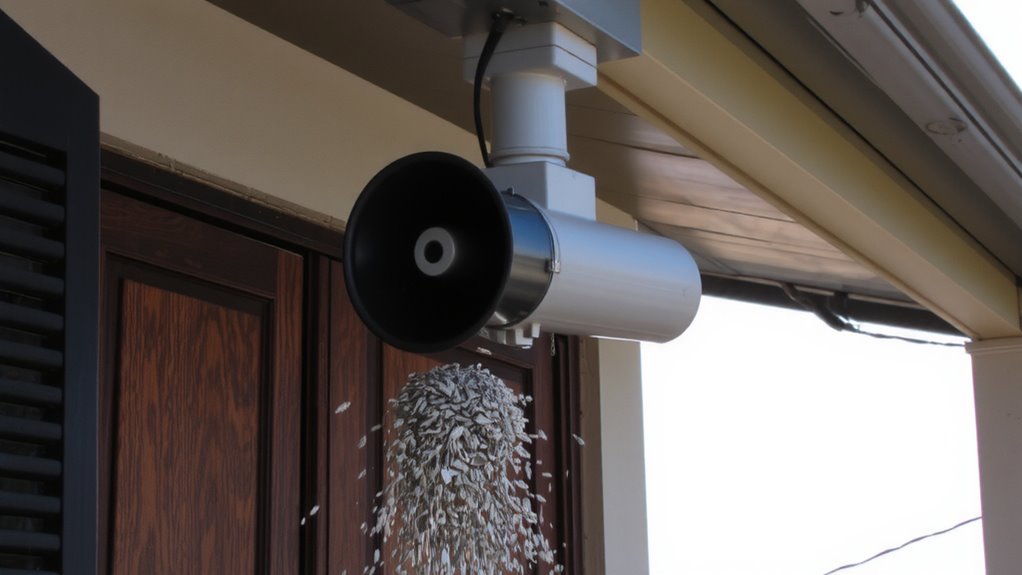
While some might underestimate the impact of sound in home security, high-decibel exterior sirens are proven to deter intruders quickly-often within seconds. You can expect immediate deterrence when a 110+ decibel siren blares, as few criminals want attention. The psychological impact of sudden, loud noise triggers panic and disorientation, making it hard for someone to focus on breaking in. Studies show most intruders flee within 60 seconds of an alarm sounding. That’s why you should choose sirens rated at least 110 dB and place them at entry points. Mount them high to reduce tampering. While false alarms can occur, proper sensor calibration reduces risk. These systems usually cost $150–$300, with professional installation adding up to $100. The evidence supports this: loud sound works, consistently and fast-giving you stronger protection with minimal effort.
How Outdoor Sirens Speed Up Neighbor Response
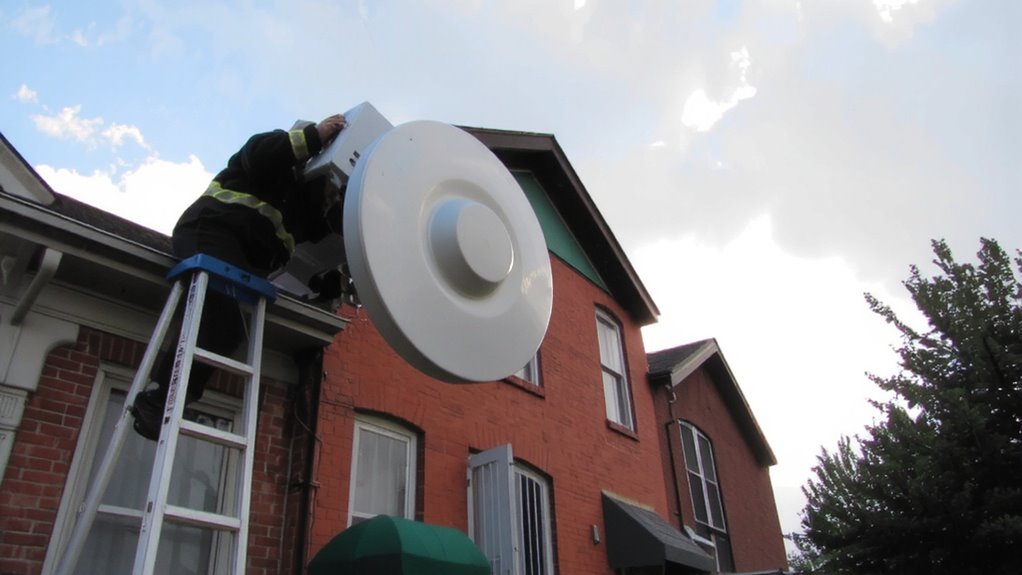
What good is an alarm if no one hears it? You need neighbors to act fast, and that’s where outdoor sirens come in. When your siren blares, it grabs attention immediately, triggering quicker responses than silent alarms. Studies show homes with audible exterior alerts see neighbor intervention within 1–3 minutes, compared to 5 or more with indoor-only systems. This boost comes from increased neighborhood awareness-people know something’s wrong and are more likely to call authorities. A loud, unmistakable siren builds community trust over time, as residents feel more connected and responsible. It turns passive bystanders into active helpers. You don’t need constant vigilance; you need a system that alerts everyone at once. Just guarantee your siren is loud enough to be heard beyond your yard. That shared alert system strengthens everyone’s security without extra effort.
Must-Have Features: Volume, Weatherproofing, and Power Type
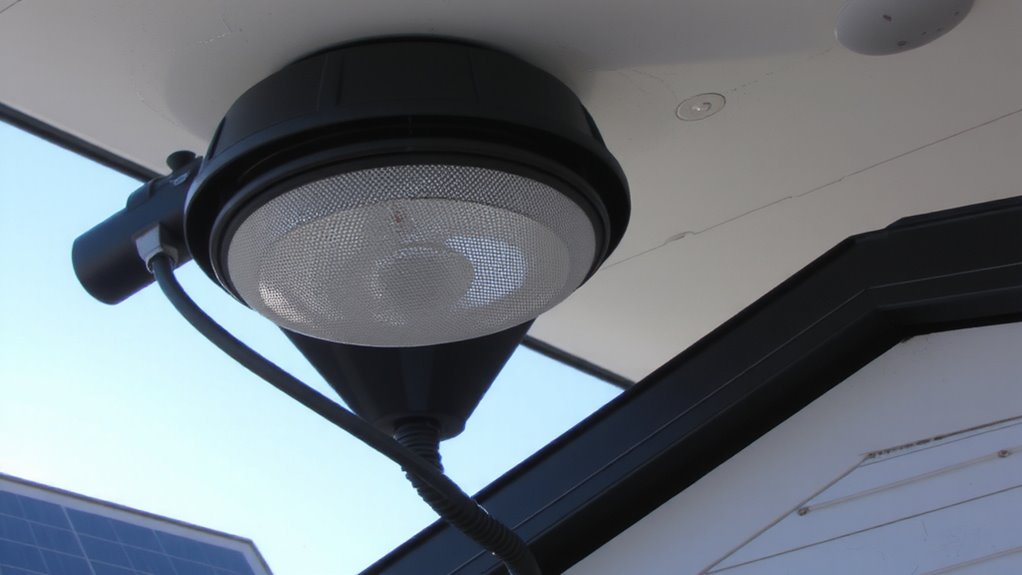
A loud outdoor siren gets neighbors’ attention, but only if it’s built to perform when it matters. Look for a siren with at least 110 decibels-loud enough to cut through wind and city noise. Weatherproofing is essential; choose a model with an IP65 rating or higher to resist rain, dust, and extreme temperatures. The siren color should contrast with your home’s exterior for visibility, aiding emergency responders. Mounting brackets must be sturdy and rust-resistant, designed for quick, secure installation on walls or eaves. Power type depends on your setup: hardwired sirens offer reliability, while battery-powered ones provide flexibility. Solar models reduce maintenance but may struggle in cloudy climates. Balance volume, durability, and power source based on your home’s exposure and local weather. Always check compatibility with your existing security system and include mounting brackets in your purchase.
Best Places to Mount Outdoor Sirens
The most effective outdoor siren placement maximizes both sound coverage and visibility, guaranteeing the alarm is heard by neighbors and seen by responders during an emergency. Mount prescribed height and directional placement are key-too low, and sound gets blocked; too high, and it may disperse too widely. Aim for 8–10 feet above ground to balance reach and clarity. Face the siren toward streets or public areas for maximum alert impact.
| Location | Recommendation |
|---|---|
| Front eaves | High visibility, ideal for street alerts |
| Side walls | Good for covering driveways or side access |
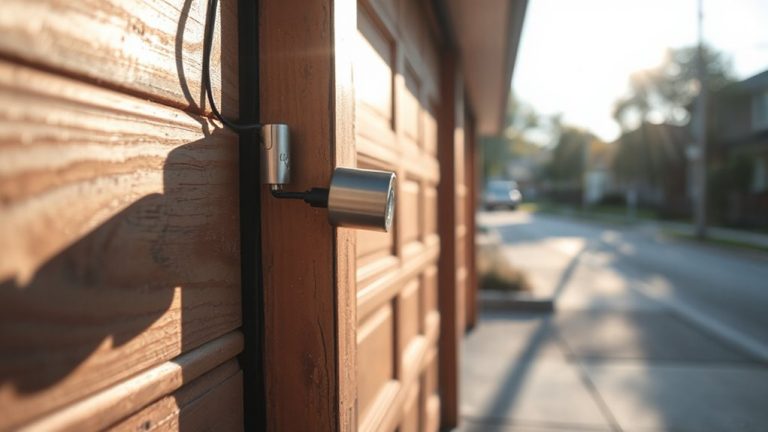
| Garage exterior | Effective with proper mounting height |
| Near back doors | Strong for rear threats with clear directional placement |
Position thoughtfully to avoid obstructions and guarantee even coverage.
How to Connect Your Siren to Your Security System
Now that you’ve picked the best spot for your outdoor siren, it’s time to link it properly to your security system so it activates when needed. Start by checking your siren’s wiring methods-most models use either hardwired connections or wireless signals. Hardwired systems offer reliability but require running cables from your control panel, so plan your routes carefully. Wireless sirens are easier to install and avoid drilling, but depend on batteries and signal compatibility with your existing panel. Always verify that your siren and security system use matching communication protocols-otherwise, they won’t sync properly. Use manufacturer guidelines to test voltage and connection stability. If mismatched, you risk delayed responses or failure during alarms. Though hardwired setups typically cost more in labor, they’re often more dependable long-term. Wireless models save time upfront but need regular maintenance. Whichever you choose, proper integration guarantees quick, effective alerting.
Common Outdoor Siren Installation Mistakes
Why do some outdoor sirens fail when they’re needed most? Often, it’s due to common installation errors you can avoid. Improper grounding is a top issue-without it, your siren’s vulnerable to power surges and interference, especially in storms. You’ll risk damage or false triggers. Loose wiring is another frequent mistake; connections that aren’t tight can break over time, cutting power when needed. Vibration from the siren itself or wind accelerates this. Always use weatherproof wire connectors and secure cables firmly. Mount the siren where it’s visible but out of easy reach. Check manufacturer specs for grounding requirements and follow electrical codes. A few extra minutes during setup saves costly repairs later. Proper installation guarantees reliability, loudness, and long-term function-key for deterring intruders and alerting neighbors effectively.
Maintaining Your Exterior Security Siren
You’ll want to keep your exterior security siren in top condition so it performs when needed most. Routine inspections every three months help catch wiring issues, corrosion, or physical damage early. Check the power source and test the alarm signal to confirm it reaches the intended decibel level. Cleaning vents monthly prevents dust, dirt, and insect buildup that can muffle sound or overheat internal components. Use a soft brush or compressed air-never water or harsh cleaners. Inspect the mounting hardware annually to guarantee stability, especially in windy areas. Seal any cracks around cables to prevent moisture entry. Most manufacturers recommend replacing units after five to seven years, even if they appear functional. Preventive upkeep extends life, maintains sound output, and guarantees reliable operation. Well-maintained sirens are proven to deter intruders more effectively than neglected ones. Plan brief monthly maintenance tasks to avoid costly repairs or failure during emergencies.
On a final note
You now know how high-decibel outdoor sirens deter intruders and alert neighbors quickly. Choose models with at least 100 dB, weatherproof housing, and reliable power-battery or hardwired. Mount them near entry points, high enough to avoid tampering. Connect to your security system for automatic activation. Avoid common errors like poor placement or ignoring maintenance. Test monthly and replace units every few years for best performance.