How Environmental Sensors Can Alert You to Water Leaks Before Major Damage Occurs
You can catch leaks early with water sensors that detect moisture through conductivity changes between metal probes. These devices trigger alerts in under 10 seconds, sending notifications to your phone or smart system. Install them in high-risk areas like basements, laundry rooms, and under sinks-places prone to hidden leaks. Most cost $20–$50, last years on battery, and may reduce $7,000 repair costs by up to 90%. Systems with Wi-Fi or hub integration offer real-time monitoring, and some qualify for insurance discounts. Smart linking enhances response speed and control. Key features include fast detection, low power consumption, and compatibility with home automation. Early warnings help prevent mold, structural damage, and costly overflows. With the right setup, you’ll stay ahead of damage before it spreads.
Notable Insights
- Environmental sensors detect hidden water leaks by identifying moisture changes in concealed areas before visible damage appears.
- Sensors use conductivity between metal probes to trigger alarms within seconds of water contact.
- Real-time monitoring sends instant alerts to your phone or smart home system in under 10 seconds.
- Strategic placement in basements, under sinks, and near appliances maximizes early leak detection.
- Early alerts can reduce repair costs by up to 90% and prevent mold, structural damage, and costly renovations.
How Hidden Water Leaks Strike When You’re Not Looking

How often do you think about the pipes behind your walls or under your floors? Probably not often, yet these hidden dangers are where water leaks frequently start-quietly, out of sight. You might not notice anything wrong until you see staining on ceilings or warped floorboards, signs of unexpected damage already underway. Hidden leaks can persist for weeks or months, slowly weakening structures, encouraging mold growth, and raising utility bills. A small drip behind a wall may seem minor, but over time it can waste hundreds of gallons. Early detection is key. While some leaks stem from aging pipes or poor installation, many occur without warning. Without monitoring, you’re relying on chance to catch them. That’s where proactive measures matter-knowing where leaks are likely and acting before serious harm happens makes all the difference in protecting your home.
What a Water Leak Sensor Detects (And How It Works)
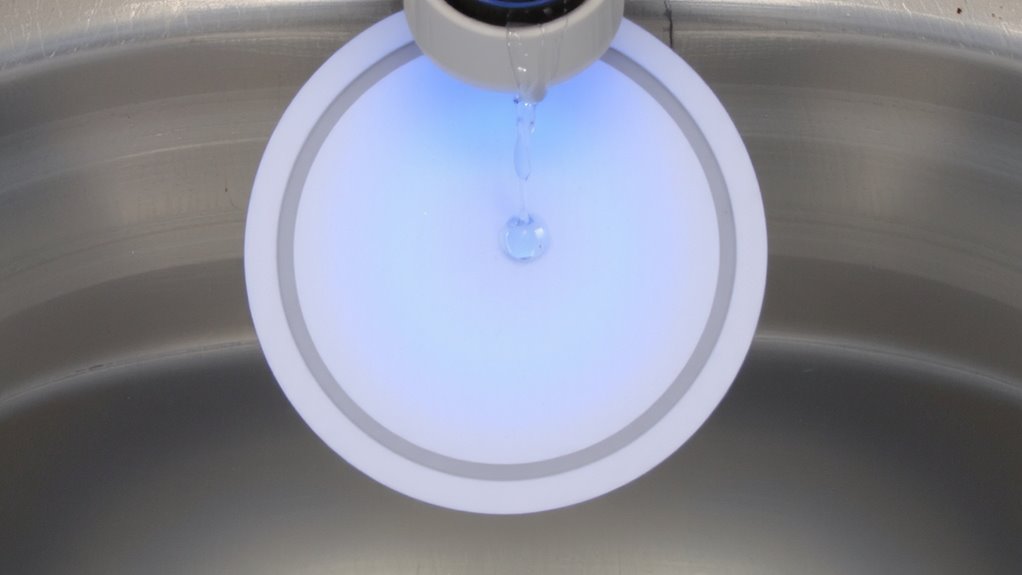
You’re not alone if you’ve ever ignored a damp spot until it turned into a costly repair-hidden leaks sneak up fast, but modern sensors are designed to catch them before they escalate. A water leak sensor detects moisture by monitoring conductivity changes and resistance levels between two metal probes. When water bridges the probes, it increases conductivity and reduces resistance, triggering the sensor. Most sensors respond within seconds, sending alerts through your home network or app. Battery-powered models last 2–5 years, while hardwired units offer continuous power. Sensors don’t detect humidity in the air-only surface water. They work best on flat, non-conductive surfaces like floors or basements. Look for models with low false-alarm rates and Wi-Fi integration. Some include sirens, but smart home compatibility improves response speed. At $20–$50 each, they’re affordable insurance against major water damage.
Best Places to Install Water Leak Sensors in Your Home

A smart defense against water damage starts with strategic placement. You should install water leak sensors in high-risk areas where moisture tends to accumulate unnoticed. Basement corners are prime spots since they’re prone to seepage and poor airflow. Place sensors on the floor near foundation walls to catch early signs of intrusion. Laundry nooks are another critical zone-washing machines cycle hundreds of gallons monthly, and hose failures are common. Position a sensor behind or beside the machine, especially if the laundry room is upstairs. Kitchens and bathrooms near sinks, water heaters, and under sinks also need coverage. Battery-powered models last years, while hardwired options offer constant power. Most sensors cost $20–$50 each, a small price compared to water damage repairs.
Get Instant Alerts Before Leaks Cause Damage
While some water leaks develop slowly, others can escalate within minutes-so timely detection is key to minimizing harm. With real time monitoring, environmental sensors track moisture levels continuously and trigger instant notifications the moment a leak is detected. You’ll receive alerts on your phone, tablet, or smart home system, whether you’re at home or away. Most systems send updates in under 10 seconds, giving you time to act before water spreads. Sensors work with Wi-Fi or smart hubs, and many integrate seamlessly with home automation platforms. Subscription fees may apply for cloud storage or extended features, typically $5–$15 per month. Battery life lasts 2–5 years depending on usage. Choosing models with customizable alerts guarantees you only get important updates. Real time monitoring paired with instant notifications gives you reliable protection, practical awareness, and faster response when every second counts.
How Early Leak Detection Saves Thousands in Repairs
Every year, undetected water leaks cost homeowners an average of $7,000 in repairs, but early detection can reduce that figure by up to 90%. You can achieve significant cost savings by catching leaks before they damage walls, floors, or foundations. Small drips, when unnoticed, lead to mold, warped wood, and even structural issues-all expensive to fix. Sensors alert you at the first sign of moisture, letting you act quickly. Many insurers offer discounts or preferential rates for homes with leak detection systems, giving you added insurance benefits. These systems are affordable, with basic models starting under $50. You’ll likely recoup your investment after just one avoided incident. Reliable sensors work with your Wi-Fi and send alerts straight to your phone, ensuring you’re always informed. Early detection isn’t just convenient-it’s a smart financial decision backed by data and real-world results. Top models include WiFi water sensors that integrate seamlessly with home networks for real-time monitoring.
Must-Have Features in a Water Leak Detector
You’ve seen how catching leaks early slashes repair bills and even lowers insurance costs, but to get those results, your detector must have the right setup. Look for strong sensor accuracy-reliable models detect moisture within seconds and minimize false alarms. Units with low sensor accuracy may miss slow drips or trigger unnecessary alerts, reducing trust in the system. Equally important is battery life; choose detectors that offer at least two years of operation on standard batteries. Some models alert you when power is low, ensuring continuous monitoring. Opt for water-resistant builds with visible indicator lights for easy status checks. Avoid cheap sensors with poor track records in independent testing. Invest in detectors with proven performance, even if they cost slightly more. Reliable sensor accuracy and long battery life mean fewer replacements, less maintenance, and consistent protection where it matters most-your home’s vulnerable zones like basements, bathrooms, and near appliances.
Link Your Water Leak Sensor to Smart Devices
Because modern homes rely on seamless connectivity, linking your water leak sensor to smart devices can substantially improve response times and monitoring convenience. With smart home integration, you get real-time alerts and remote monitoring access, so you’re informed instantly-even when you’re away. This setup allows automated actions, like shutting off water valves, to minimize damage. Below are key benefits and considerations:
| Feature | Benefit |
|---|---|
| Smart home integration | Works with Alexa, Google Home, or Apple HomeKit |
| Remote monitoring access | Check status from anywhere via smartphone |
| Instant alerts | Notifications sent immediately upon detection |
| Automation capability | Can trigger smart valves or shut-offs |
| Setup complexity | May require Wi-Fi and app configuration |
Planning for compatibility and Wi-Fi strength guarantees reliable performance.
On a final note
You can catch leaks early with smart sensors that detect moisture and send instant alerts. Place them in high-risk areas like basements, near water heaters, and under sinks. Look for models with battery life over a year, Wi-Fi connectivity, and integration with smart home systems. These features help prevent costly water damage, potentially saving thousands. Proper setup and regular testing guarantee reliable performance. Investing in a quality system gives you data-driven protection and peace of mind.