How Police Dispatch Protocols Are Activated by Verified Home Intrusion Alarms
When your alarm system detects a break-in using dual-sensor triggers or video confirmation, the monitoring center verifies the threat and sends a confirmed signal to police. Verified alarms get faster dispatch because they reduce false alerts and provide clear evidence. Police prioritize these calls, especially with encrypted, tamper-proof signals from smart sensors. This speeds response and improves accuracy. You’ll see how different systems stack up in real-world performance.
Notable Insights
- Verified alarms with video or dual-sensor confirmation trigger higher police dispatch priority due to confirmed threat evidence.
- Police respond faster when monitoring centers validate alarms through owner contact or encrypted signal review.
- Dispatch protocols require verified signals to reduce false alarm fatigue and optimize emergency resource allocation.
- Motion-activated cameras and glass break sensors provide actionable data that meet police verification standards for response.
- Unverified alarms may be downgraded in priority, especially in areas with limited police resources or strict dispatch policies.
Why Verified Alarms Get Faster Police Response
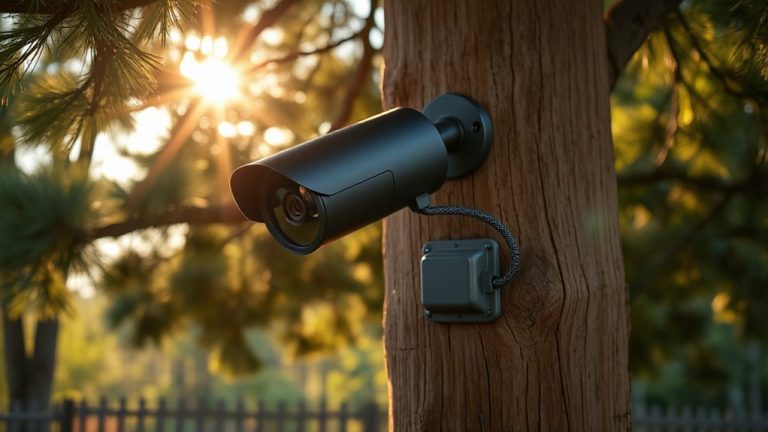
While not every alarm system works the same way, you’re more likely to get a faster police response when your home intrusion alarm is verified, meaning the system provides evidence-like video footage or sensor data-that an actual break-in is occurring. Police dispatchers assign higher alarm priority to confirmed incidents, reducing delays caused by false alarms. Verified signals help guarantee response efficiency, so officers aren’t sent on unnecessary calls. Without verification, your alarm may be treated as low priority, especially in areas with limited resources. Systems with motion-activated cameras or dual-sensor triggers improve accuracy and speed. Though these setups cost more upfront, they reduce fines and increase protection. Always check with your local department-some require verification for dispatch. Choosing a monitored system with real-time alerts and visual confirmation gives you better outcomes and supports faster, more reliable emergency response.
How Monitoring Centers Verify Alarms Before Calling Police
When your alarm system detects a possible break-in, the monitoring center doesn’t call police right away-they first verify the alert to make sure it’s real. Operators contact you immediately using your provided phone numbers to confirm if it’s a false alarm or an actual emergency. If they can’t reach you or you confirm a threat, they review the incoming signal, which is protected by signal encryption to prevent hacking or interference. Many centers also rely on alarm testing logs to guarantee your system sends accurate, consistent alerts. This verification step reduces false dispatches and ensures police only respond when necessary. While this process improves response accuracy, it may add a short delay. Choosing a monitoring service with 24/7 certified operators, strong encryption, and regular alarm testing support helps maximize reliability and keeps your home protected efficiently.
Sensors That Deliver Verified Alarm Signals
Since verified alarm signals rely on accurate sensor data, choosing the right type matters for both response speed and reliability. You’ll want sensor types that offer high signal accuracy, like dual-technology motion detectors combining PIR and microwave sensing. These reduce false alarms by confirming movement through two methods. Door and window contacts using reed switches are reliable, as they trigger only when the circuit breaks. Glass break sensors detect specific sound frequencies, adding another verification layer. For outdoor areas, pet-immune infrared sensors help avoid false triggers. Signal accuracy improves when sensors are properly placed and maintained. Wired systems often offer more stable connections, but modern wireless options with encrypted signals work well if updated regularly. Consider setup cost, monthly monitoring fees, and whether your local police department requires specific certifications. Choosing verified sensors guarantees faster dispatch when needed. Top-rated systems often feature best motion detectors for optimal performance and integration with alarm verification protocols.
How Police Respond to Verified Alarm Reports
You’ve seen how verified alarm signals rely on accurate, well-chosen sensors to filter out false alerts and guarantee reliability. Now, when you trigger a verified report, police dispatch responds faster because the system confirms a real threat. This boosts response accuracy, since officers aren’t sent in for false or unclear alerts. Departments prioritize verified alarms, knowing they reflect real entry attempts. This prompt attention increases crime deterrence, as intruders are more likely to flee when they know police are already en route. Verified systems also reduce unnecessary use of patrol resources, letting police focus where they’re needed most. Most agencies require either video confirmation or dual-sensor activation before sending officers. While these protocols improve outcomes, they depend on proper alarm system setup and monitoring service quality. A well-planned system with professional monitoring at around $30–$60 monthly supports reliable police response.
Why False Alarms Delay Emergency Dispatch
One in three emergency dispatch delays related to home intrusions stems from false alarms, which overwhelm response systems and force departments to triage calls more cautiously. You contribute to alarm fatigue when your system triggers unnecessarily, making dispatchers hesitant to prioritize similar alerts. This skepticism slows response times for genuine threats. False reports also cause resource misallocation, sending officers to non-emergencies while real crimes go unattended. Each false alarm wastes manpower, fuel, and critical time. Police departments often implement stricter verification rules after repeated false alerts, which affects how quickly help arrives. You can reduce these risks by maintaining your system, using motion detectors wisely, and linking to professional monitoring. Reliable setups cost more upfront but save time, money, and lives. Smart planning now prevents delays when you truly need help.
Smart Tech That Enables Alarm Verification
How can authorities know if your alarm is real? Smart tech helps verify threats before dispatch. Systems now use voice recognition to detect distress or unfamiliar speech, sending alerts only when risk is likely. Facial analysis scans live video feeds, comparing intruders to stored household profiles-triggering verified alarms if someone unknown appears. These tools reduce false dispatches, saving time and resources. Devices with voice recognition cost $100–$250, while facial analysis requires cameras priced $150–$400. Many integrate with police-recognized security platforms. Pros include faster response for real break-ins and fewer fines from false alarms. Cons? Privacy concerns and setup complexity. Confirm your system complies with local regulations. For best results, pair both features. Regularly update software and test functionality. Smart verification isn’t foolproof, but data shows it cuts false alarms by up to 90%, making it a reliable upgrade for home security.
On a final note
You get faster police response with verified alarms because they reduce false dispatches. Monitoring centers confirm intrusion using sensor data before alerting authorities. Motion detectors, door sensors, and cameras help verify threats accurately. Police prioritize confirmed breaches, improving response times. Unverified alarms often face delays due to high false alarm rates. Smart systems with verification cut wait times, boost effectiveness, and save cities resources-worth the upfront cost for reliable protection.