How to Maintain Security During Open Houses and Property Showings
Secure your home by removing valuables and locking up medications, cash, and documents in bolted safes ($50–$300). Use lockboxes with one-time, time-limited codes for secure, trackable access. Require all visitors to show ID and sign in, and guarantee your agent is present-unattended showings are three times more likely to have issues. Watch for suspicious behavior and pre-screen buyers. You’ll find even more effective strategies worth considering.
Notable Insights
- Secure valuables by removing or locking up jewelry, cash, medications, and documents in bolted safes or hidden compartments.
- Use lockboxes with one-time, time-limited access codes to control and track entry securely.
- Require all visitors to present valid ID and sign in, using digital tools for tracking and accountability.
- Always have an agent present during showings to monitor guests, verify identities, and prevent unauthorized access.
- Watch for suspicious behavior, screen buyers in advance, and keep visitor logs for at least 30 days.
Keep Your Home Safe: Lock Up Valuables and Personal Items
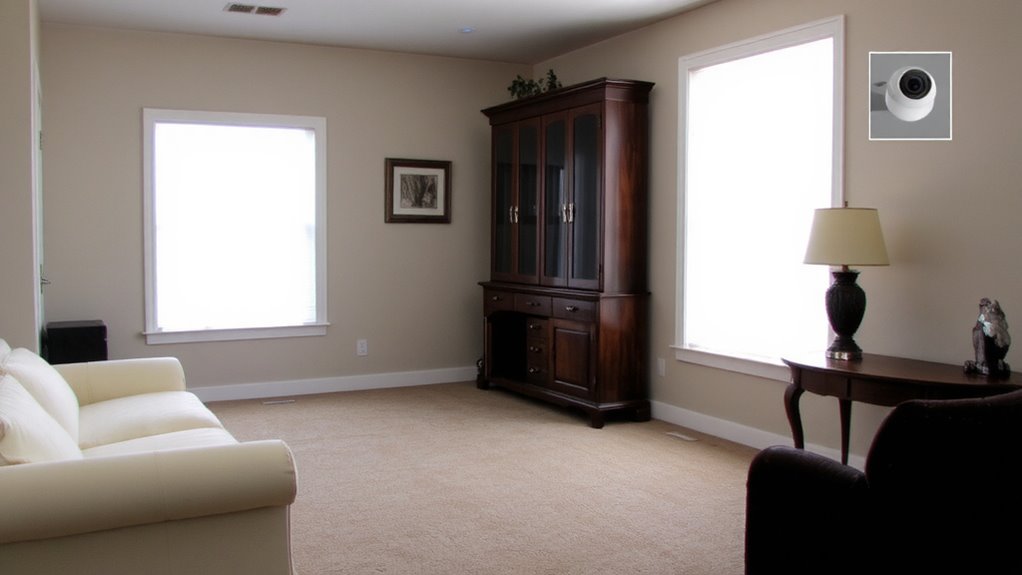
Your home’s safety during an open house starts with securing valuables and personal items. You should remove or lock away jewelry, cash, medications, and important documents to prevent theft or privacy breaches. Use secure storage options like locked safes or filing cabinets to protect sensitive materials. Hidden compartments in furniture or walls can also help conceal small valuables effectively, though they require advance planning and may limit access during quick showings. Consider that buyers will explore closets, drawers, and cabinets, so leave these areas tidy and empty of personal content. While safes offer strong protection, they must be bolted down to prevent removal. Hidden compartments are discreet but may fail if discovered or poorly built. Weigh upfront costs-safes range from $50 to $300-against peace of mind. Plan early, test access, and prioritize items most at risk. For reliable protection of valuables like jewelry, consider investing in one of the best home safes for jewelry.
Use Lockboxes With One-Time Access Codes
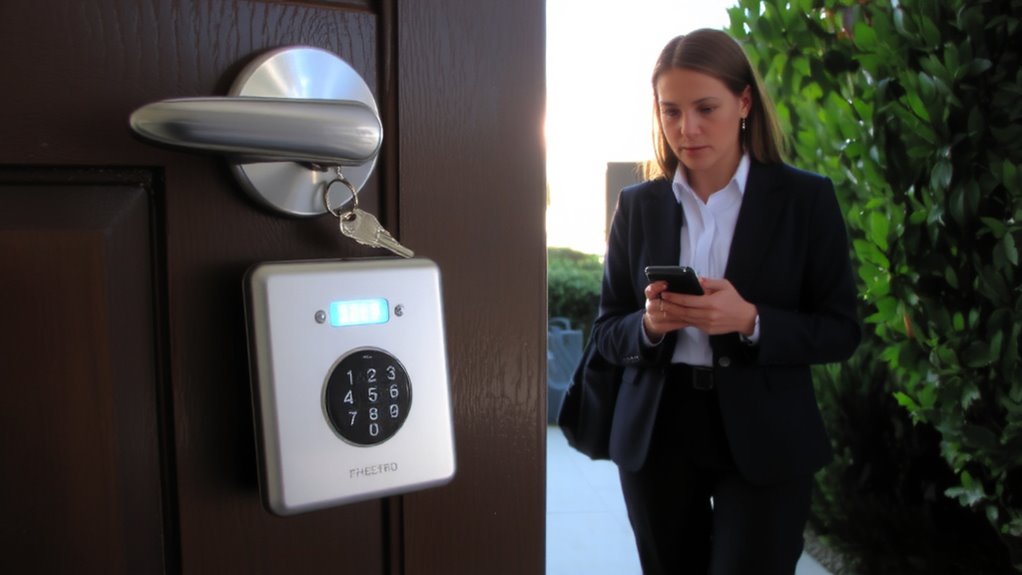
Many real estate professionals recommend using lockboxes with one-time access codes to secure homes during open houses, and for good reason. These devices provide time limited access and single use codes, reducing the risk of unauthorized entry. Only approved agents get a unique code, which expires after the showing. This means no one can return later without permission. You maintain control while allowing easy access to serious buyers.
| Feature | Benefit | Peace of Mind |
|---|---|---|
| Single use codes | No repeated access | Your home stays protected |
| Time limited access | Entries expire automatically | No lingering risks |
| Digital tracking | Know who entered and when | Full accountability |
| Remote setup | Assign codes from anywhere | Total convenience |
Modern lockboxes combine security with simplicity. They’re affordable, easy to use, and trusted by agents nationwide. Top models feature durable locking mechanisms that resist tampering and environmental wear.
Require ID and Check In Every Visitor
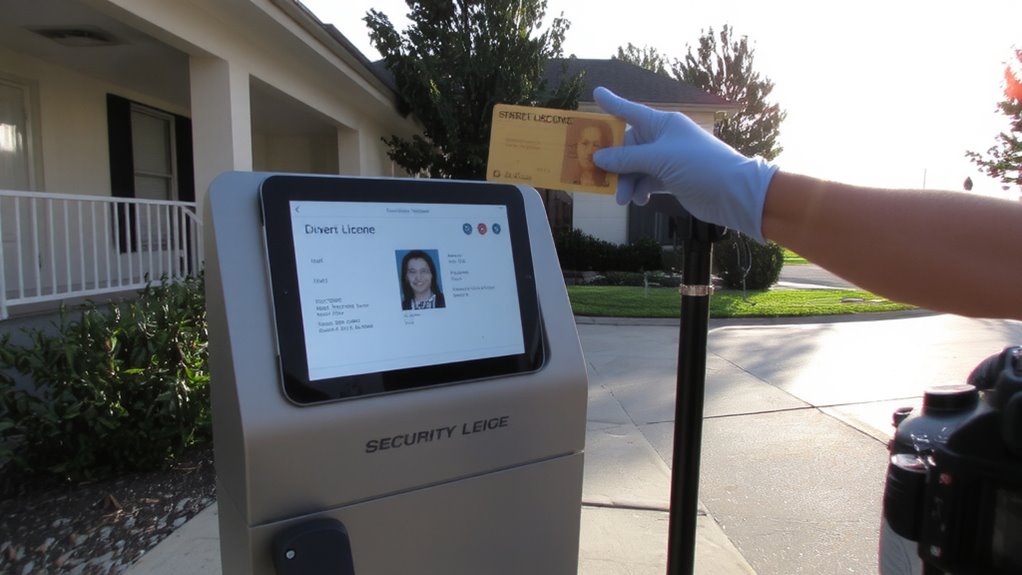
While secure lockboxes control who can access the property, verifying every visitor’s identity adds another necessary layer of protection. You should require each guest to present a valid ID, which you log alongside their entry time. This process enables proper visitor verification and helps deter unauthorized individuals from entering. Use a simple sign-in sheet or digital tool for entry tracking, ensuring names and contact details are recorded. Not only does this support security, but it also aids accountability if issues arise. Most buyers accept ID checks as standard practice, especially for vacant or high-value homes. Though it may slightly slow entry, the trade-off in safety is worth it. Avoid storing IDs permanently-retain logs only as long as needed. Consistent entry tracking strengthens your security protocol without imposing major inconvenience.
Mandate an Agent’s Presence at All Showings
Because you’re responsible for the safety of both the property and the people inside it, having an agent present at every showing is one of the most effective ways to maintain control and security. Your presence guarantees proper agent supervision, reducing risks like theft, property damage, or unapproved access. Following strict showing protocols means you can monitor who enters, verify identities, and track time spent inside. Without an agent on-site, buyers may overstay, bring unregistered guests, or access restricted areas. Real estate data shows homes left unattended during showings are three times more likely to experience security issues. While scheduling every showing yourself may require extra coordination, the added oversight strengthens trust with sellers and protects everyone involved. Plan ahead to align your calendar, and consider using digital scheduling tools to streamline appointments. Agent supervision isn’t just a precaution-it’s a core part of professional showing protocols.
Watch for Warning Signs During Open Houses
What should you do if someone seems too interested in your home’s security system during an open house? Watch for suspicious behavior, like lingering in one area, avoiding eye contact, or not engaging with the agent. Pay attention to unusual questions about alarm codes, entry points, or when you’re typically away. These could signal someone testing vulnerabilities. Stay alert and have your agent monitor all visitors closely. If someone acts oddly or makes you uncomfortable, politely ask the agent to escort them out. Trust your instincts-most inquiries are harmless, but it’s better to be cautious. Keep valuables locked up and avoid posting real-time updates online. Note license plates or descriptions if something feels off. Reporting concerns promptly helps protect your property while maintaining a professional, secure environment for legitimate buyers.
Know Who’s Coming: Screen Buyers in Advance
A smart way to boost security during open houses is to screen buyers before they walk through your door. You can use buyer verification to confirm a person’s identity and intent, reducing risks from unauthorized visitors. Ask for government-issued ID and record entries in a guest tracking log. Many agents require pre-registration, especially for private showings, which helps track who visited and when. This process deters fraudulent buyers and protects both property and personal data. Pros include better control over attendance and stronger legal protection; the main con is potential friction with serious buyers unwilling to comply. Use digital tools for efficient guest tracking-some apps sync with calendars and verify contact info automatically. Always inform sellers about your screening plan and keep records for at least 30 days. Planning takes little time but adds substantial security.
On a final note
You should always protect your home during showings by securing valuables and using one-time lockbox codes. Requiring ID and agent presence adds safety, while screening visitors in advance helps prevent issues. Watch for suspicious behavior, but stay professional. These steps reduce risks without limiting buyer access. Planning ahead saves time and strengthens security. Most agents agree: precautions like these make open houses safer for everyone involved.