How to Choose Explosion-Proof Environmental Sensors for Attached Garages
Choose explosion-proof sensors certified by UL or ATEX to safely detect flammable vapors and carbon monoxide in your attached garage. Look for dual-sensor models that catch both gasoline fumes and natural gas, placing them low for heavy vapors or near the ceiling for lighter gases. Avoid dead zones and airflow disruptions. Use wired or solar-battery hybrid power for reliability. Test monthly and replace every five years-proper setup guarantees long-term protection you can count on.
Notable Insights
- Choose UL or ATEX-certified sensors to ensure compliance with explosion-proof safety standards in North America or Europe.
- Select dual-sensor units that detect both carbon monoxide and natural gas for comprehensive hazard coverage in attached garages.
- Install sensors low to the ground for gasoline vapors or near the ceiling for lighter gases like natural gas.
- Avoid dead zones and airflow disruptions by mounting sensors away from corners, shelves, vents, and windows.
- Opt for hardwired or solar-powered systems with battery backup to ensure continuous, reliable operation in critical areas.
Know the Fire and Gas Hazards in Your Garage
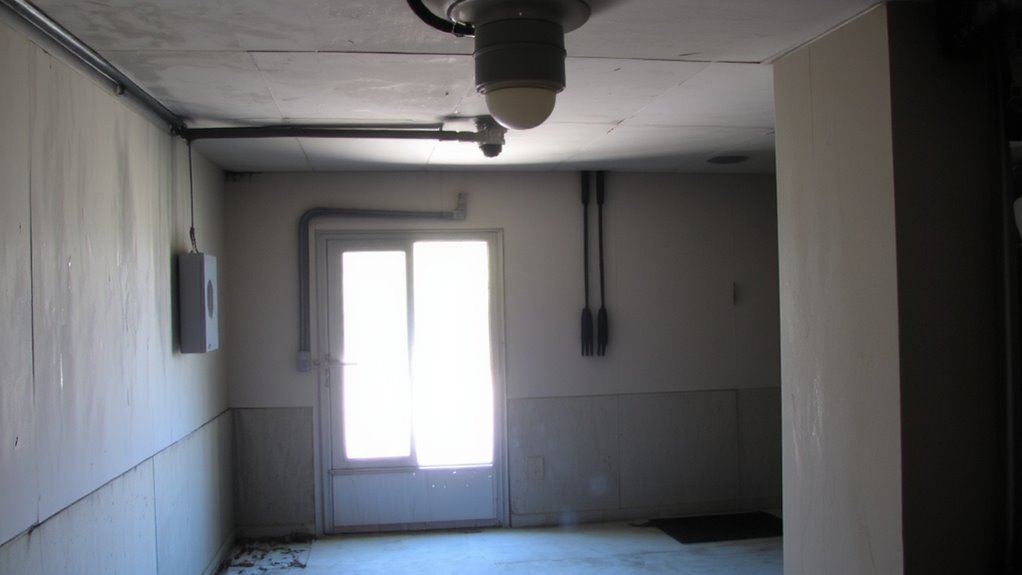
What kinds of risks are hiding in your garage? Flammable vapors from gasoline, paint thinners, or cleaning solvents can accumulate quickly, especially in poorly ventilated spaces. These vapors, when mixed with air, may ignite from sparks or open flames. Your chemical storage practices play a big role-keeping containers sealed and labeled reduces leaks and exposure. Many homeowners don’t realize that even small spills or routine tool use can release hazardous fumes. Improperly stored fuels or aerosols increase the chance of fire, particularly near water heaters or electrical panels. You should evaluate what’s in your garage and how it’s stored. Limit volatile materials, use approved safety cabinets for chemical storage, and secure good airflow. Recognizing these fire and gas hazards is the first step toward protecting your home and family from preventable accidents involving flammable vapors.
What Gases Should Your Sensor Detect?
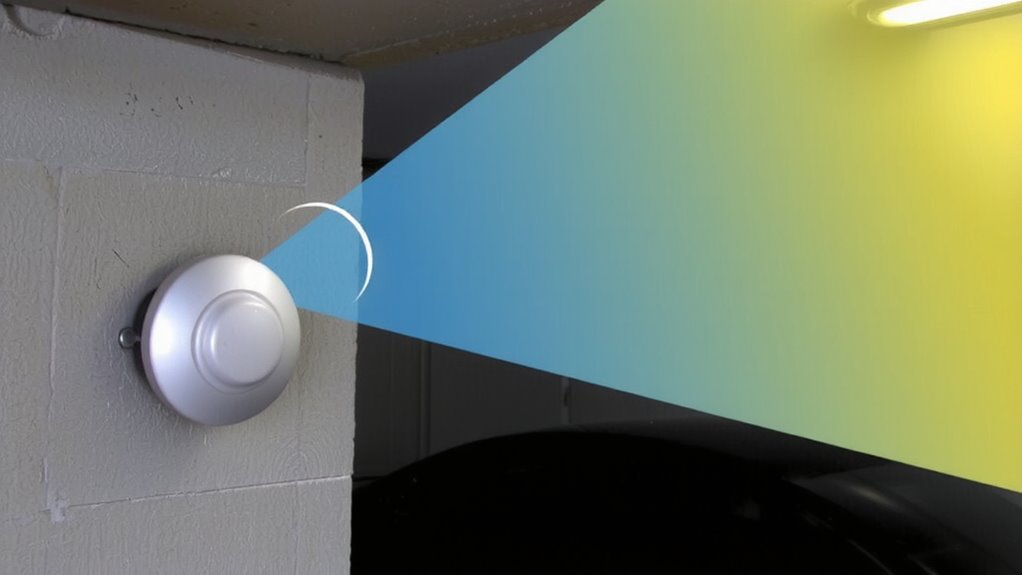
Why are some gases more dangerous than others in your garage? Because they’re odorless, invisible, and can be deadly or explosive. You need sensors that detect the most common threats: carbon monoxide and natural gas. Carbon monoxide comes from running vehicles or faulty combustion appliances and can cause poisoning quickly. Natural gas, often used for heating or cooking, leaks can lead to fire or explosion.
Here’s what to monitor:
| Gas Detected | Primary Risk |
|---|---|
| Carbon monoxide | Toxic exposure |
| Natural gas | Explosion hazard |
| Both (combined) | Full hazard coverage |
Look for a sensor that detects both-your safety depends on it. A dual-sensor unit gives complete protection, eliminating guesswork. While single-gas detectors are cheaper, they leave gaps. Investing in a combined system guarantees you’re covered for both health and explosion risks without needing multiple devices.
Only Trust Explosion-Proof Sensors With UL or ATEX Certification
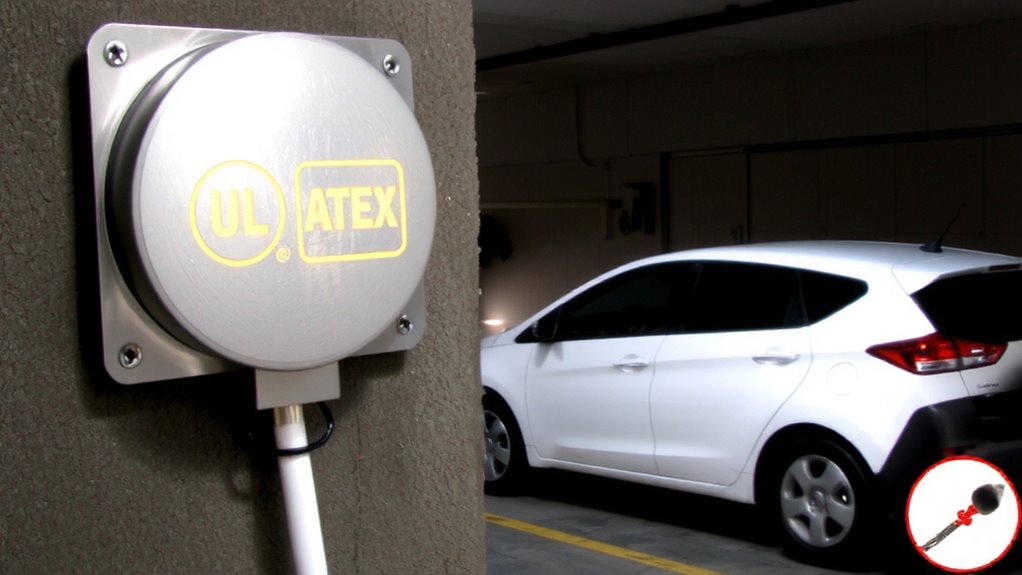
While no sensor can eliminate risk entirely, you’ll want one that’s been rigorously tested and officially certified for use in explosive environments-this is where UL and ATEX certifications matter. These certification standards guarantee the sensor can safely operate around flammable gases without sparking an explosion. If you’re installing a sensor in your attached garage, regulatory compliance isn’t optional-it’s essential for safety and legal requirements. UL Certification, common in North America, means the device meets strict safety testing. ATEX, used in Europe, confirms suitability for explosive atmospheres. Both involve third-party testing and ongoing audits. Without these certifications, a sensor may seem functional but could fail under real threats. Choosing a certified model may cost more upfront, but it offers proven reliability. Skip uncertified products-they cut corners. For peace of mind and long-term protection, only trust explosion-proof sensors bearing UL or ATEX marks.
Place Sensors Where Danger Builds Up
Where should you install your explosion-proof sensor for maximum safety? You need to place it where gas or fumes are most likely to accumulate. Avoid dead zones-spots with little air movement-like corners behind doors or near storage shelves, since contaminants can linger there undetected. Instead, follow airflow patterns in your garage, which often move from lower levels upward, especially with heavier-than-air vapors like gasoline fumes. Mount sensors on walls within 12 inches of the ceiling for lighter gases, or near the floor for heavier ones. Don’t install them near vents, fans, or windows, where airflow could dilute readings. Proper placement guarantees faster, more accurate detection. Always consult manufacturer guidelines and consider your garage’s unique layout. A well-placed sensor greatly improves reliability, giving you real protection where danger builds up.
Pick a Power Source That Keeps Sensors Running 24/7
You’ll usually want your explosion-proof sensors to run without interruption, so choosing a reliable power source is essential for constant monitoring. Wired systems offer steady power, but adding a battery backup guarantees operation during outages. Solar power works well in sun-exposed garages, reducing grid dependence and cutting long-term costs. Consider your garage’s layout and access to sunlight when deciding.
| Power Source | Pros | Cons |
|---|---|---|
| Wired | Reliable, continuous | Needs electrician |
| Battery | Easy install, portable | Requires frequent changes |
| Solar | Eco-friendly, low running cost | Dependent on sunlight |
| Hybrid (solar + battery backup) | Highly reliable, energy-efficient | Higher upfront cost |
Choose based on reliability, cost, and your garage’s environment.
Test Monthly and Replace Sensors Every 5 Years
Regularly testing your explosion-proof environmental sensors guarantees they’re ready to detect hazards when needed most. You should test each unit monthly by using the built-in test function or exposing it to a small amount of test gas, following the manufacturer’s instructions. This simple step guarantees proper sensor maintenance and helps catch early signs of failure. Even with careful upkeep, sensors degrade over time due to exposure to pollutants and age. That’s why sticking to a strict replacement schedule is critical-replace all units every five years, no exceptions. Most sensors lose accuracy after this point, increasing the risk of missed detections. While some models may seem to work beyond five years, their reliability can’t be guaranteed. Budgeting for this replacement schedule guarantees continuous protection. Check warranty terms and model lifespan data before purchasing, as higher-quality sensors often provide better long-term performance and clearer maintenance guidance.
On a final note
Choose explosion-proof sensors with UL or ATEX certification to handle flammable vapors like gasoline or natural gas. Install them near potential leak sources, such as water heaters or vehicle exhaust points, and power them continuously with hardwiring or reliable batteries. Test monthly, replace every five years, and prioritize models with clear alarms and low maintenance. Proper selection and placement reduce risks effectively and keep your garage safe over time.