How to Integrate Impact-Resistant Windows With Home Alarm and Sensor Systems
Use impact-resistant windows with dual-technology sensors that detect both glass vibrations and acoustic signatures, since laminated glass won’t shatter like standard panes. Pair them with magnetic contact sensors for reliable alarm integration. These compatible sensors cost 10–20% more but reduce false alarms. Sync all units to your central hub, test monthly, and check for signal interference from metal frames. Proper installation guarantees your system responds accurately to threats-there’s more to optimize as you review each layer of protection.
Notable Insights
- Use dual-technology sensors that detect both glass-break sounds and vibrations for reliable performance with laminated glass.
- Install magnetic contact sensors only if window frames allow proper alignment to maintain consistent alarm communication.
- Integrate windows with a central alarm system using compatible contact sensors that trigger alerts upon opening.
- Ensure smart alarm systems support remote monitoring and automation, like closing windows during severe weather.
- Perform monthly sensor tests and quarterly maintenance to prevent false alarms and maintain system responsiveness.
How Impact Windows Improve Your Home Security
Security starts with your home’s weakest points-windows. You can substantially reduce break-in risks by upgrading to impact-resistant models. These windows offer enhanced durability, built with laminated glass and strong frames that resist cracking under pressure. Unlike standard glass, they hold together when struck, making forced entry prevention a core benefit. Tests show they withstand repeated impacts from large projectiles, a key standard in hurricane-prone areas. They also deter burglars who rely on quick, quiet access. While more expensive upfront-costing 20–30% more than regular windows-the long-term value includes lower insurance premiums and increased protection. No extra hardware is needed for basic security, as the design itself acts as a barrier. They’re not indestructible, but they make breaking in much harder and louder, giving you more time for response. Consider these for any ground-floor or accessible window.
Pick Sensors That Work With Impact Windows
You’ve already boosted your home’s defense with impact-resistant windows, which stand up to severe weather and make break-ins harder by holding together under force. Now, pick sensors that match your window materials, since traditional sensors may not detect threats if the glass doesn’t shatter. Impact windows use laminated glass and strong frames, so standard breakage sensors can fail. Instead, use dual-technology sensors that combine glass-break and vibration detection. This guarantees sensor compatibility and accurate threat response. Acoustic sensors tuned to the frequency of forced entry work best with thick, layered glass. Magnetic contact sensors also help, but only if the frame design allows proper alignment. Expect to pay 10–20% more for compatible models, but the investment improves reliability. Always check manufacturer specs before buying. For comprehensive security, consider pairing your sensors with one of the best motion detectors on the market to monitor interior spaces effectively. Best Motion Detectors offer advanced features like pet immunity and smart home integration.
Sync Impact Windows With Your Alarm System
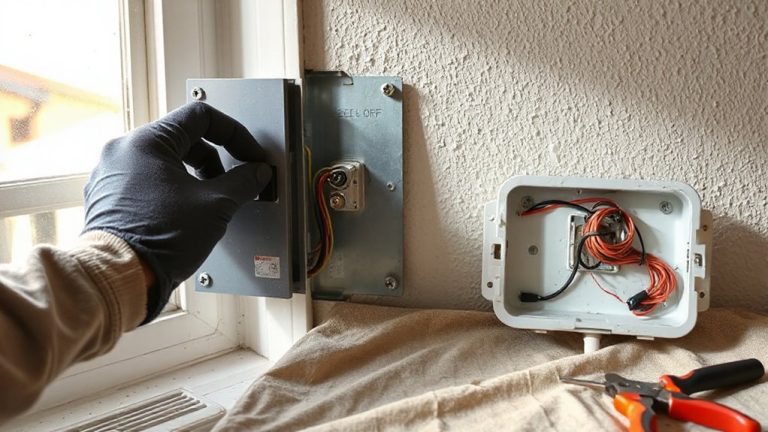
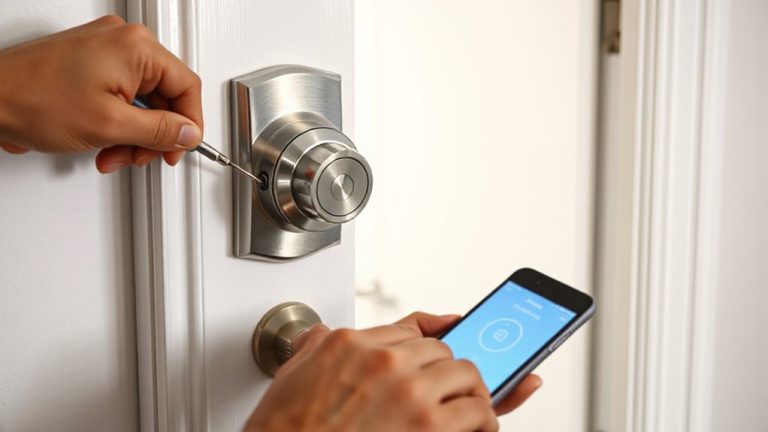
While impact-resistant windows add strength and safety, they won’t fully protect your home unless they’re properly connected to your alarm system. You can sync them using window automation and smart integration, ensuring the alarm responds if a window is breached. Many modern systems use contact sensors that communicate with your central hub, triggering an alert when a window opens unexpectedly. Smart integration allows you to control and monitor windows remotely via a mobile app, offering real-time updates. Some systems even let you automate window closing during severe weather. Pros include improved security and convenience; cons may involve higher upfront costs and setup complexity. Look for systems compatible with your existing alarms. Prices vary, but investing in seamless integration enhances both safety and automation efficiency. Plan installation carefully for best performance.
Test Sensors and Monitor Alerts Regularly
Once your impact-resistant windows are synced with your alarm system, keeping them effective means regularly testing the sensors and monitoring alerts. You should test each sensor monthly by opening and closing windows to confirm the alarm triggers. This simple check helps catch wiring issues or sensor misalignments early. Monitoring alerts through your system’s app or control panel lets you respond quickly to real threats and identify patterns that lead to false alarms. False alarms can erode trust in your system, often caused by dirty sensors or poor calibration. Stick to routine maintenance schedules-quarterly inspections work well for most homes. These checks preserve system integrity and extend equipment life. Include battery replacements and contact point cleaning in your plan. Consistent testing and monitoring guarantee reliable performance, giving you confidence your home stays protected without unnecessary disruptions. Top-rated systems often include easy-to-use smart monitoring features that enhance integration with window sensors.
Fix Alarm Sync Issues With Impact Windows
Why does your alarm sometimes fail to trigger when an impact window is opened? It’s often due to improper window calibration or signal interference. Impact-resistant windows use sensors that must sync precisely with your alarm system. If calibration is off, the system might not detect the window moving. Check your manufacturer’s guidelines and reset the sensor alignment if needed. Signal interference from metal frames or nearby electronics can also disrupt communication between the sensor and control panel. Position sensors away from large appliances or routers. Test the connection regularly using your system’s diagnostic mode. Reprogram or replace sensors showing inconsistent responses. Confirm all units operate on the same frequency. Proper setup guarantees reliable detection. Though upfront costs may vary, well-synced systems reduce false alarms and improve home security performance over time.
On a final note
You boost home security when you integrate impact-resistant windows with alarms and sensors. Choose compatible sensors that detect glass vibration or frame movement without false alarms. Sync them properly with your central alarm system for real-time alerts. Test monthly and monitor alerts through a connected app or security service. Address sync issues quickly by checking sensor placement and battery levels. Proper setup costs more upfront but improves safety and may lower insurance.