Monitoring Temperature Extremes That Shorten Lifespans of Indoor Alarm Equipment
You should monitor temperature extremes because they weaken your alarm system’s components over time. Heat above 80°F or cold below 32°F stresses circuits, cracks solder joints, and shortens lifespan. Keep your system between 50°F and 80°F for best performance. Use a $20–$50 smart sensor to track changes and get alerts. Install panels away from attics, basements, or exterior walls. Place them in climate-stable areas to reduce risk. You’ll soon see how small fixes can boost reliability and prevent costly failures.
Notable Insights
- Extreme temperatures cause thermal stress, accelerating wear and shortening alarm system lifespans.
- Install systems in interior rooms within 50°F–80°F to minimize temperature-related damage.
- Use smart sensors or digital thermometers to monitor real-time temperature extremes and fluctuations.
- Cold below 32°F or heat above 100°F poses severe risk to alarm system components.
- Protect systems with insulated housings and proper ventilation to reduce thermal stress and failure risk.
Why Heat and Cold Harm Indoor Alarm Systems
While indoor alarm systems are built to handle normal household conditions, extreme heat or cold can interfere with their performance over time, especially when temperatures regularly fall below 32°F or rise above 100°F. You may not realize it, but repeated thermal expansion and contraction stress the internal components, weakening solder joints and circuit boards. Over time, this leads to component fatigue, increasing the risk of system malfunctions or outright failure. High heat accelerates electronic wear, while cold makes plastics and metals brittle. These changes happen gradually, so problems might not show up for months or years. To protect your system, keep it in a climate-controlled area. Avoid placing it near vents, windows, or uninsulated walls. Monitoring indoor temperatures with a simple digital thermometer can help. Consider smart sensors that alert you to extreme shifts. Prevention costs less than repair.
Where Indoor Temperature Extremes Damage Alarm Systems
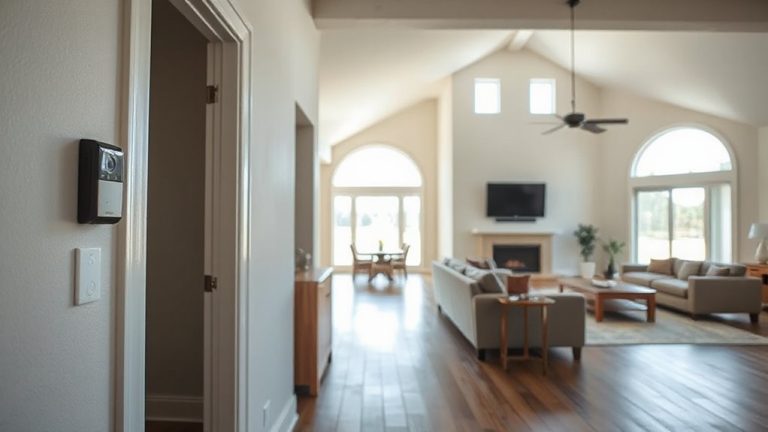
Where exactly do temperature extremes cause the most harm to your alarm system? In unregulated spaces like attics, basements, or near exterior walls, where heat and cold swing dramatically. These spots accelerate component wear, especially in control panels and backup batteries, making them prone to failure. Poor ventilation creates physical obstructions from dust buildup or condensation, blocking sensors or shorting circuits. Extreme heat can also trigger electrical surges within the system, overwhelming delicate wiring. Enclosed cabinets without climate control worsen the stress. Mounting units near HVAC vents or windows exposes them to sudden temperature shifts, reducing reliability. For longest life, install your system in a central, interior room with stable conditions. Avoid locations with known drafts, moisture, or direct sunlight. A stable thermal environment isn’t just ideal-it’s critical for consistent performance and avoiding premature breakdowns.
Signs Your Alarm System Is Failing From Temperature Stress
You’ve already seen how temperature swings in places like attics, basements, and near exterior walls harm alarm system components over time. Now, watch for warning signs these conditions are causing damage. Frequent false alarms or unexplained system shutdowns often trace back to component fatigue from repeated expansion and contraction. You might notice slow response times or sensors failing to trigger, which can point to internal wear. Visible moisture or rust inside panels suggests system corrosion, especially in humid or cold areas. Flickering display screens or inconsistent power could mean circuitry is degrading. These aren’t random glitches-they’re evidence of environmental stress. Ignoring them risks total failure when you need protection most. Check units in extreme zones every few months. Early detection helps you plan repairs before replacement becomes urgent. Prevention costs less than emergency upgrades.
What Temperature Your Alarm System Needs to Stay Safe
How cold is too cold-or how hot too hot-for your alarm system to operate safely? Most indoor alarm systems work best within specific temperature thresholds. Staying within these ranges guarantees proper system calibration and prevents long-term damage. Extreme heat or cold can disrupt sensor accuracy and shorten equipment life.
| Condition | Safe Range | Risk Level |
|---|---|---|
| Cold | 32°F – 50°F | Moderate |
| Normal | 50°F – 80°F | Low |
| Hot | 80°F – 100°F | High |
| Extreme | Below 32°F or above 100°F | Severe |
Operating outside the safe range affects performance and may void warranties. If temperatures frequently fall below 32°F or rise above 100°F, consider relocating your system or adjusting environmental controls. Maintaining proper system calibration isn’t just about comfort-it’s critical for reliability.
How to Monitor Temperature Around Your Alarm System
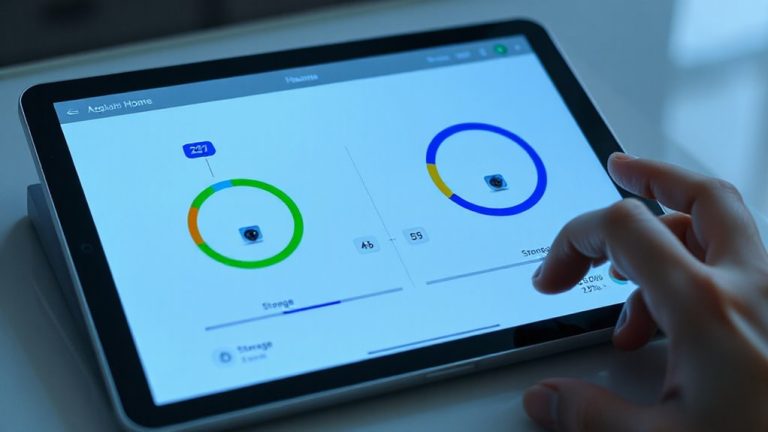
Keeping your alarm system within its safe temperature range means doing more than just setting the thermostat-it requires active monitoring. You should regularly check the environment where your system is installed, especially if it’s near a window, vent, or exterior wall. Proper system placement matters: avoid spots with direct sunlight or cold drafts, as they create microclimates that sensors might not detect. Use a standalone digital thermometer with a max/min function to track daily fluctuations. Good airflow management helps maintain steady conditions-don’t block enclosures or pack wiring tightly. Consider smart temperature sensors that send alerts if levels go out of range. They cost $20–$50 but offer real-time data. Manual checks every few weeks work too, though less efficiently. Consistent monitoring catches issues early, extending your system’s life.
Easy Ways to Protect Your Alarm System From Heat and Cold
While extreme temperatures can quietly degrade your alarm system’s components over time, taking simple protective steps now can prevent costly failures later. Proper system insulation and smart climate zoning make a big difference. Avoid placing panels near windows, vents, or exterior walls where heat and cold fluctuate. Use insulated enclosures if necessary, especially in unheated basements or garages. A programmable thermostat helps maintain stable indoor conditions. Here’s how to assess key areas:
| Solution | Benefit | Consideration |
|---|---|---|
| Insulated housing | Shields from sudden temp swings | Adds upfront cost |
| Climate zoning | Targets stable temperature zones | Requires HVAC coordination |
| Panel repositioning | Improves airflow, reduces stress | May need pro installation |
| Weather sealing | Blocks drafts near system | Easy DIY fix |
| System insulation | Prevents internal condensation | Most effective in retrofits |
Plan small changes now to extend your system’s life.
On a final note
You can protect your alarm system by keeping it in a stable environment between 32°F and 104°F. Extreme heat or cold weakens components over time, leading to failures. Use a digital thermometer or smart sensor to monitor conditions regularly. Install your system away from windows, vents, or uninsulated walls. A $20–$50 temperature monitor helps prevent costly repairs. Consistent airflow and insulation improve performance, ensuring your home stays secure year-round.