Step-By-Step: Replacing Plastic Window Locks With Metal Security Upgrades
Swap weak plastic locks for sturdy metal ones to boost security and durability. Use a screwdriver, drill, and measuring tape to remove old locks, then install metal models with stainless steel or zinc alloy construction. Metal locks cost $10–$25 each but last longer and resist forced entry better. Follow manufacturer specs, level the lock, and test the fit. Proper installation guarantees lasting protection with minimal maintenance. More details on maximizing home security follow.
Notable Insights
- Remove old plastic locks carefully using a screwdriver or putty knife, wearing gloves to protect against sharp fragments.
- Choose metal locks made of stainless steel or zinc alloy that meet ANSI Grade 2 or higher security standards.
- Gather necessary tools like a screwdriver, drill, measuring tape, level, and extra screws before starting installation.
- Position the metal lock correctly, mark screw holes, and secure it tightly without stripping the threads.
- Test the lock by closing the window and checking for a snug fit, smooth operation, and no sash movement.
Why Metal Window Locks Beat Plastic
Think twice before trusting flimsy plastic locks to protect your home-metal window locks offer superior strength and durability. When you consider the durability comparison, metal resists wear, weather, and forced entry far better than plastic, which can crack or warp over time. Unlike plastic, metal won’t degrade under UV exposure or extreme temperatures, ensuring long-term function. A cost analysis shows metal locks have a higher upfront price, typically $10–$25 per unit versus $3–$8 for plastic. However, their longer lifespan reduces replacement frequency and maintenance costs. Metal locks also deter break-ins more effectively, adding measurable value to your home security. While plastic may seem economical initially, it often fails under stress or over time. You’ll save money and increase safety by upgrading now. Choose metal for reliability, performance, and peace of mind-your home deserves a lock that truly holds up when it matters most. For maximum protection, consider installing the best window locks recommended by security experts.
Gather Your Tools and Materials
You’ve seen why metal window locks outperform plastic ones in strength, longevity, and security, so now it’s time to get ready for installation. Proper tool selection guarantees a smooth upgrade-grab a screwdriver, drill with metal bits, measuring tape, and a pencil. Some models may require a wrench or Allen key, so check manufacturer specs first. For materials, conduct a simple material comparison: stainless steel offers rust resistance and high durability, while zinc alloy is lighter and often more affordable. Choose based on your climate and security needs. Buy locks that meet industry standards, like ANSI Grade 2 or higher, for reliable performance. Include extra screws and anchors in case your frame is damaged. Planning now saves time later. Keep all parts labeled and organized. With the right tools and informed material comparison, you’re set for the next step. For top-performing options, consider models featured in a sliding window locks buying guide.
Remove Old Plastic Locks Safely
Start by inspecting the existing plastic lock mechanism to determine how it’s mounted and whether any parts are cracked or stuck. Use safety precautions: wear gloves and safety glasses to protect against sharp edges or breaking plastic. If the lock is secured with screws, remove them with a screwdriver; if it’s glued or friction-fit, carefully pry it off using a plastic putty knife to avoid damaging the window frame. Work slowly to prevent sudden breaks that could send fragments flying. Once removed, check the window surface for residue or damage, cleaning it as needed before the next step. Dispose of the old plastic locks through proper disposal methods-don’t throw them in open trash where children or pets might access them. Recycling may be an option if local facilities accept mixed plastics. Keep the area clean and organized to maintain a safe, efficient workspace.
Install Metal Security Locks Step by Step
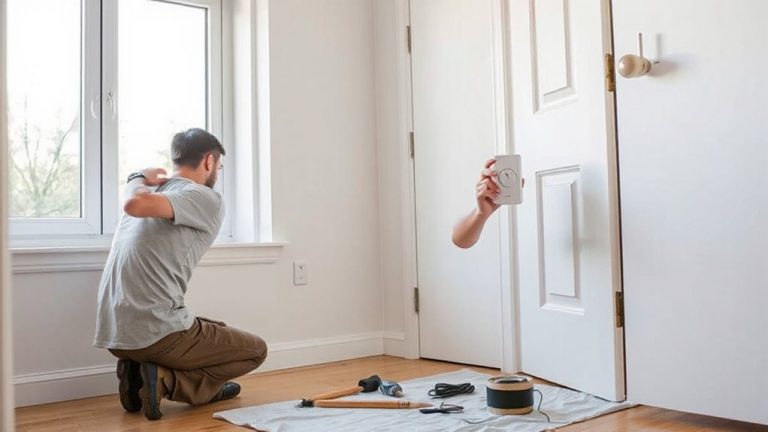
With the old plastic locks safely removed and the window frame cleaned and inspected, you’re ready to begin installing stronger metal security locks. Start by positioning the new metal lock according to the manufacturer’s template, guaranteeing correct window alignment so both sashes close evenly. Use a level to check fit and mark screw holes carefully. Secure the lock in place with the included hardware, tightening screws firmly without stripping them. Proper lock calibration is essential-adjust the strike plate so the latch catches smoothly without forcing the window. Misalignment can cause wear or reduce security. Most metal locks install in under 15 minutes per window, with basic tools. Expect to spend $15–$30 per lock, depending on material and security rating. Choose corrosion-resistant steel or brass for durability. Follow all included instructions closely to maintain warranty coverage and guarantee peak performance.
Test for a Tight, Secure Fit
How well does your newly installed lock actually perform? Test it by closing the window fully and engaging the lock mechanism. Pull gently on the sash to check for movement-there should be none if the fit is tight. Proper window alignment guarantees the metal components meet evenly, preventing gaps that weaken security. Inspect the surrounding frame integrity; cracks or warping can compromise the lock’s effectiveness, even with a sturdy upgrade. Operate the lock several times to confirm smooth function without resistance or sticking. Misaligned windows may need shimming or adjustment to achieve ideal contact. A secure fit depends not just on the lock, but on how well the window and frame work together. Replace damaged frames before installing metal locks for best results. This small step guarantees long-term durability and real security improvement.
Upgrade Your Windows With Smart Security Tips
While upgrading your windows for better security, you’ll want to focus on more than just replacing locks-consider pairing metal lock upgrades with other proven security enhancements to maximize protection. Install smart sensors on each window to detect unauthorized openings; these devices send instant alerts to your phone and integrate with home security systems. Many models offer motion detection and temperature alerts, adding extra layers of safety. Pair them with remote monitoring services for 24/7 surveillance, especially useful when you’re away. Most systems are easy to install, with wireless options reducing setup time and cost. Expect to pay $20–$50 per sensor, plus monthly fees of $10–$30 for professional monitoring. While self-monitoring saves money, remote monitoring offers faster emergency response. Together, metal locks, smart sensors, and remote monitoring create a thorough, data-backed defense that’s been shown to reduce break-in risks markedly. Plan your budget and system compatibility carefully for best results. For added exterior protection, consider installing a best window camera to visually monitor and record suspicious activity near your windows.
On a final note
You’ve upgraded to metal window locks for stronger security and longer life. Metal resists tampering better than plastic and withstands weather over time. Installation takes under an hour with basic tools, costing $15–$30 per window. Check alignment and tightness to guarantee proper function. Pair with window sensors or alarms for added protection. Plan placements carefully, focusing on accessible ground-floor windows. This simple fix boosts overall home security effectively and affordably.