Understanding Liability Issues Related to Home Security Measures
You can face serious legal trouble if your home security relies on traps, aggressive dogs, or deadly force-these often lead to lawsuits or criminal charges, even with intruders. Spring guns are illegal in most states, and excessive force isn’t protected by self-defense laws. You owe some duty of care to anyone on your property, including trespassers. Instead, use motion lights, monitored alarms, and visible cameras that comply with privacy laws. Smart locks and neighborhood watches offer strong security with low risk. Choosing lawful, proportionate measures protects both your home and your legal standing. There’s more to explore on balancing safety and responsibility.
Notable Insights
- Booby traps and deadly force against intruders can lead to criminal charges and civil liability, even on your property.
- Lethal devices like spring guns are illegal in most states and result in full liability regardless of intent.
- Surveillance cameras must avoid recording neighbors’ private areas to prevent privacy law violations.
- False alarms from poorly maintained systems may lead to fines and increased emergency response costs.
- Property owners owe a legal duty to intruders, guests, and visitors, requiring reasonable safety measures for each category.
What Homeowners Get Wrong About Security And Liability
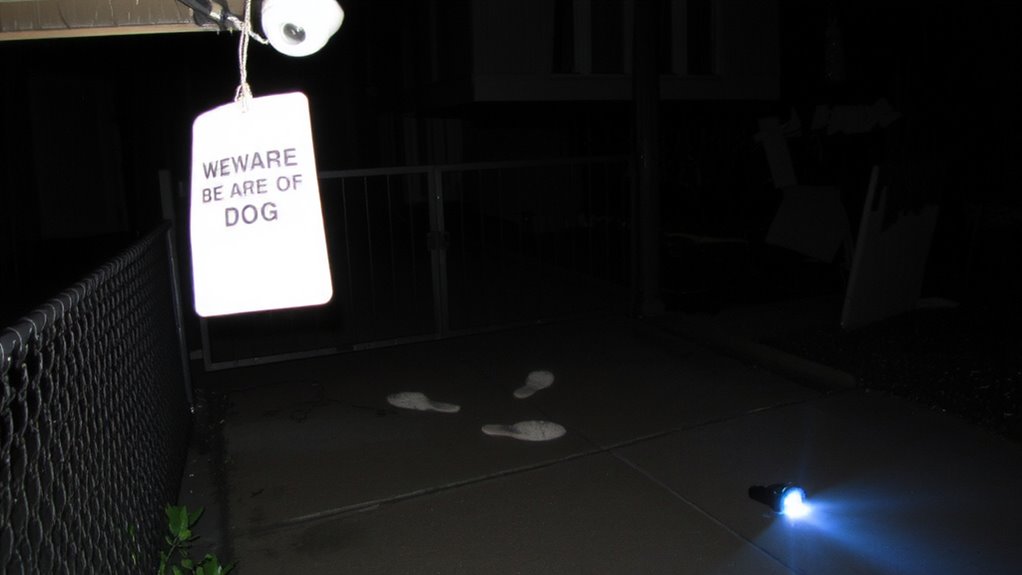
While you might assume your home security system fully protects you from legal and financial risks, the reality is more complicated. You could still face liability if your security measures harm others or violate property rights. For instance, traps or aggressive dogs may lead to lawsuits, even with trespassers involved. Your right to self defense doesn’t remove responsibility for proportional, reasonable force. Surveillance systems help, but improper placement-like pointing at neighbors’ windows-can breach privacy laws. Additionally, false alarms increase emergency response costs, potentially resulting in fines. Check local laws for legal limits on deterrents. A well-planned system balances protection and compliance. Consider signage to assert property rights while discouraging confrontation. Consult an attorney to align your setup with self defense regulations. Proper planning reduces risk, protects your investment, and keeps your home secure without unintended legal consequences.
Dangerous Security Mistakes (And Why They Backfire)
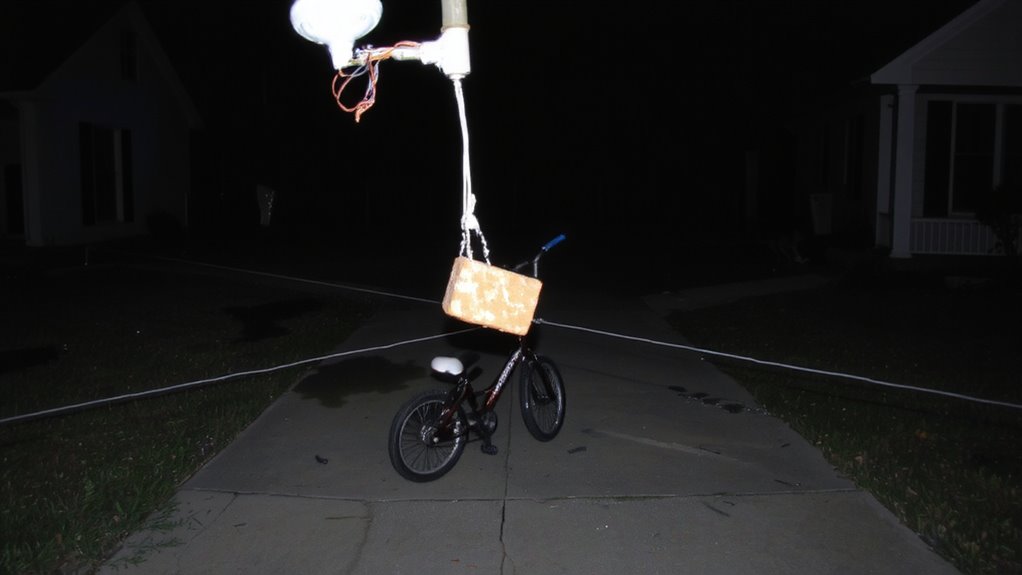
Why do some homeowners end up increasing their legal risks while trying to improve security? Because well-meaning efforts like booby traps or excessive force can backfire badly. These measures may seem effective but often lead to liability, not protection. Courts consistently rule against homeowners who use dangerous, unreasonable methods-even against intruders.
| Security Measure | Risk Level | Legal Consequence |
|---|---|---|
| Booby traps | High | Criminal charges, lawsuits |
| Excessive force | High | Civil liability, fines |
| Alarms & lights | Low | Minimal legal risk |
Avoid illegal deterrents. Instead, focus on visible, non-harmful systems like motion lights and monitored alarms. They deter intruders without exposing you to penalties. Prevention should never come at the cost of prosecution.
Can You Go Too Far Defending Your Home?
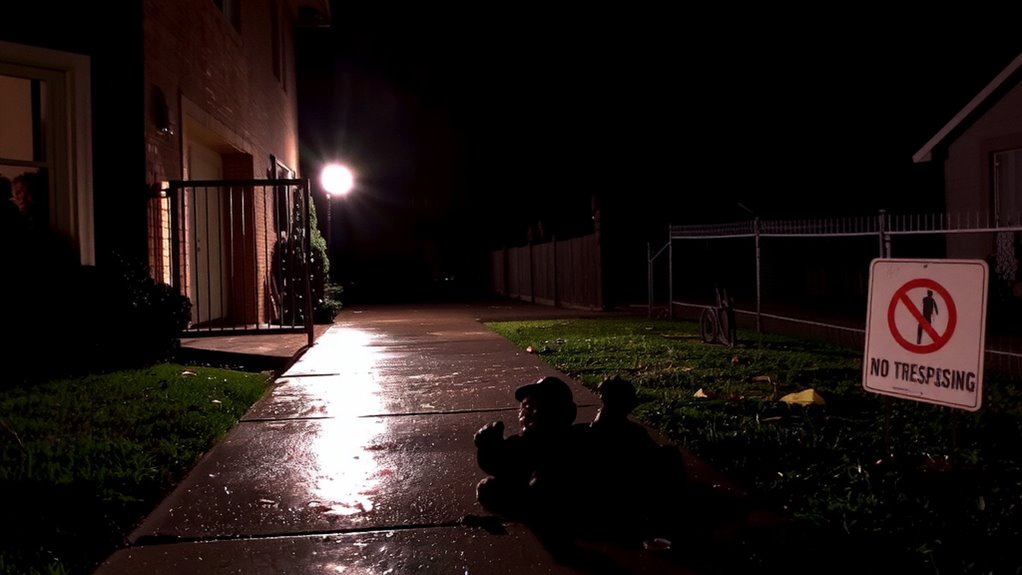
How far can you legally go when defending your home? You can protect your property and family, but the law sets limits. Using excessive force-like shooting someone who’s fleeing-can lead to criminal charges or civil lawsuits. Deadly force is usually only justified if you face an immediate threat of serious harm. Lethal traps, such as spring guns or booby traps, are illegal in most states and can cause unintended harm. Even if set against intruders, you’re responsible for injuries they cause, regardless of intent. Courts often rule against homeowners who use disproportionate measures. Instead, focus on deterrents like alarms, lighting, and secure locks. These reduce risk without increasing legal liability. Smart planning keeps you safe and within the law. Remember: defense is valid, but only when reasonable and necessary.
Your Legal Responsibility To Intruders And Visitors
You’re responsible for more than just locking doors and setting alarms-your legal duties extend to everyone who enters your property, including intruders and guests. You owe each person a duty of care, but the level depends on their status. Trespassers still deserve reasonable protection from extreme dangers you’re aware of, like an unmarked, hidden trap. Invitees and visitors get a higher standard-you must inspect for hazards and fix them promptly.
| Visitor Type | Duty of Care |
|---|---|
| Trespasser | Limited; avoid willful harm, warn of concealed risks |
| Licensee (e.g., guest) | Moderate; guarantee reasonable protection, maintain safe conditions |
| Invitee (e.g., delivery person) | Highest; actively inspect, repair hazards |
Failing this duty could lead to liability, even if harm occurs during a break-in.
How To Secure Your Home Without Risking A Lawsuit
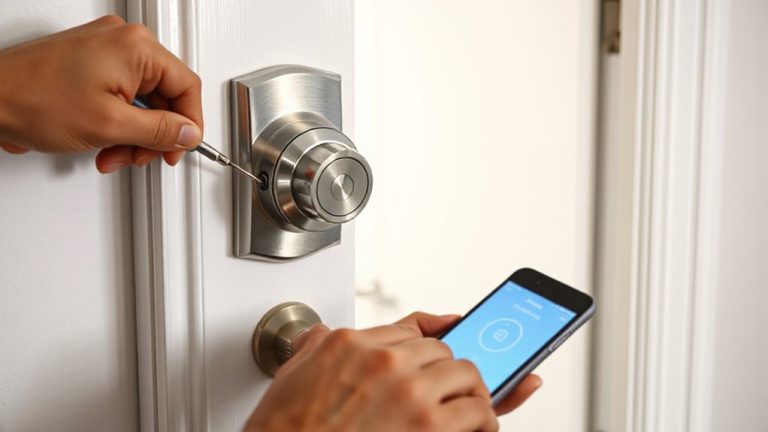
While securing your home effectively, you also need to make certain your measures don’t expose you to legal liability, especially if someone gets injured on your property. Using smart locks can reduce risk by allowing secure access without hidden keys, and they provide logs of who enters your home, which may help in disputes. Avoid installing dangerous traps or excessive force mechanisms, as these increase liability. Instead, join a neighborhood watch, which deters crime through visibility and community coordination, without creating legal hazards. Studies show neighborhood watch programs can reduce burglaries by 16% to 26%. Make sure outdoor lighting is adequate, but not blinding, and keep pathways clear to prevent trips. Always maintain reasonable care for anyone on your property, including trespassers. Review your homeowner’s insurance policy to confirm coverage aligns with your security upgrades. Planning and moderation protect both your home and your legal standing.
On a final note
You can protect your home without increasing legal risks. Simple, legal measures like motion lights and secure locks work well and won’t lead to liability. Avoid dangerous traps or excessive force-they’re illegal and could cost you in court. Know your duty to warn guests of hazards. Review local laws, choose monitored systems, and document all safety steps. Planning helps you stay safe and legally protected.