Why Landline-Based Alarm Monitoring Is Becoming Obsolete in 2024
Your landline alarm is outdated because copper lines are unreliable, easily damaged, or cut-leaving you unprotected. Most providers are phasing out landlines, and during power outages, these systems often fail. Unlike cellular monitoring, they lack remote access, real-time alerts, and backup connectivity. Cellular systems use secure, wireless networks with multi-carrier coverage, fewer failures, and smartphone control. For around $25–$35 monthly, you gain reliability and modern features. Upgrading requires a compatible panel and new cellular module-ensure yours supports the switch.
Notable Insights
- Landline alarm systems rely on outdated copper wiring increasingly discontinued by telecom providers.
- They lack reliable backup power, often failing during power outages or emergencies.
- Cellular monitoring offers faster, more secure communication than vulnerable analog landline connections.
- Landlines provide no real-time alerts or remote system access via smartphone apps.
- Aging infrastructure leads to higher failure rates, with 30% more communication issues than cellular systems.
Why Landline Alarms Can’t Keep Up in 2024
Why keep relying on a system that’s fading into obsolescence? Landline alarms struggle in 2024 due to analog limitations and outdated infrastructure. These systems rely on copper wires, which are prone to damage, interference, and service discontinuation. Unlike modern options, they can’t transmit data quickly or securely. If the line is cut, the alarm fails-no backup. Most telecom providers are phasing out landlines, leaving users without support. Installation is often harder and more expensive due to the need for physical wiring. Monitoring through landlines lacks remote access, so you can’t manage your system from a phone or tablet. Upgrading means ditching old hardware and embracing digital connectivity. Consider reliability, scalability, and future-proofing. Switching now avoids forced changes later. Evaluate costs, but remember: maintaining outdated infrastructure costs more over time.
Why Cellular Beats Landline Alarms Every Time
While landline alarms rely on aging infrastructure, cellular monitoring uses secure, dedicated networks that don’t depend on home phone service. You get better signal reliability and network redundancy, meaning your system stays connected even during outages. Unlike landlines, cellular alarms automatically switch to backup networks if one fails, so your home stays protected. No more worrying about cut phone lines or service disruptions. Here’s how they compare:
| Feature | Landline Alarms | Cellular Alarms |
|---|---|---|
| Signal Reliability | Low (shared lines) | High (dedicated signal) |
| Network Redundancy | None | Multi-carrier support |
| Installation | Wired, complex | Wireless, simple |
| Monthly Cost | $20–$30 | $25–$35 |
| Vulnerability to Cut Lines | High | None |
You’re choosing stronger, smarter protection with cellular.
Why Landline Alarms Fail When You Need Them
When the power goes out or an intruder strikes, landline alarms often fail because they depend on outdated phone lines that can be easily disrupted. You lose protection during outages since most landline systems don’t have reliable backup power. Worse, physical phone lines are vulnerable to signal disruption and line tampering-burglars can cut the line outside, and you may not even know it. Unlike modern systems, there’s no automatic alert when the connection drops. Older infrastructure also degrades over time, increasing false alarms or missed signals. Studies show landline-based systems have up to 30% more communication failures than cellular ones. You’re left without verification or real-time updates when seconds matter. Cellular monitoring, by contrast, uses encrypted wireless signals that resist interference and tampering. It works during power failures, storms, and physical threats. Upgrading cuts downtime, improves reliability, and gives consistent response-key for real security.
Get Instant Alerts and Remote Control
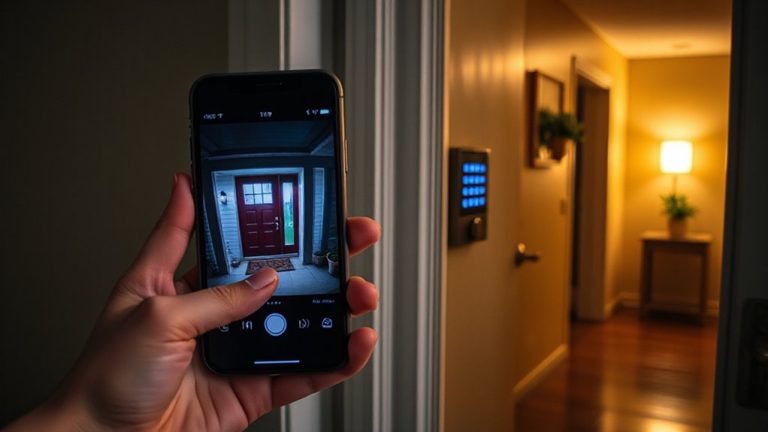
If you’re still relying on a landline system, you’re missing out on real-time control and instant updates that modern security demands. With cellular monitoring, you get real time notifications the moment a sensor is triggered, so you’re always informed. Plus, remote access lets you arm, disarm, or check your system from anywhere using a smartphone. No more worrying if you forgot to lock up-you can handle it in seconds. For those looking to upgrade without breaking the bank, there are now best home security systems available for every budget that offer these essential modern features.
| Feature | Landline System | Cellular System |
|---|---|---|
| Real Time Notifications | Delayed or none | Immediate alerts |
| Remote Access | Not available | Full smartphone control |
| Connection Reliability | Vulnerable to line cuts | Secure, encrypted cellular |
Modern security isn’t just about alarms-it’s about staying connected, informed, and in control, all with reliable performance you can trust.
How to Switch From Landline to Cellular Monitoring
Since landline connections are no longer supported by most alarm monitoring providers, making the switch to cellular monitoring isn’t just an upgrade-it’s a necessity for keeping your system active. You’ll likely need equipment upgrades, as older panels may not support cellular signals. Check with your provider to confirm compatibility or schedule a technician visit. Once you’ve installed the new module, activate the cellular plan to guarantee continuous monitoring. Don’t forget to arrange service cancellation for your landline to avoid unnecessary charges. Cellular monitoring offers reliable connectivity, especially during power or phone outages, and supports remote control features via mobile apps. While monthly fees may be slightly higher than legacy systems, the cost is justified by improved reliability and modern functionality. Plan accordingly, compare provider pricing, and document all changes for future reference.
On a final note
You’re safer with cellular alarm monitoring because it works even during power outages or if phone lines are cut. Landlines fail more often and can’t support remote access or instant alerts. Upgrading is simple, often using your existing alarm panel, and costs only slightly more per month. Providers offer reliable service with nationwide coverage, making cellular the smarter, more dependable choice for modern home security in 2024.