Why Solid Wood Doors Require Additional Steel Reinforcement for Modern Security
Your solid wood door might look strong, but it often fails in under 30 seconds to forced entry because wood warps, weakens with moisture, and splinters easily. Soft jambs and short screws make strike plates useless without reinforcement. Steel jamb plates, longer screws, and hinge armor fix these flaws, resisting kicks and prying. Most kits cost $20–$50, while full upgrades run $100–$300. When reinforced properly, your door gains real protection without losing its style-and there’s more to get right.
Notable Insights
- Solid wood doors warp over time, creating gaps that compromise latch security and allow forced entry.
- Moisture damage weakens wood, especially at the bottom, reducing structural integrity and resistance to attacks.
- Standard strike plates on wood doors fail under pressure due to short screws in unreinforced frames.
- Door jambs and hinges are vulnerable; steel reinforcement resists splintering and prying during break-ins.
- Steel upgrades deter common tactics like kicking or shouldering by reinforcing weak structural points.
Why Solid Wood Doors Fail Against Break-Ins
A solid wood door might look impressive and feel sturdy, but it’s not as secure as you think when facing a determined break-in. Over time, door warping can shift the frame, making latches misalign and creating gaps a burglar can exploit. Moisture damage worsens this, especially in humid or exposed areas, weakening the wood’s integrity and reducing resistance. Even high-quality hardwoods compress around strike plates after repeated use, letting forced entry happen faster. Tests show unreinforced wood doors often fail in under 30 seconds under focused attacks. While wood offers natural insulation and classic appeal, its vulnerability to environmental wear and structural stress limits its security value. You’ll need more than thickness for real protection. Consider pairing wood with internal steel framing or reinforced strike plates. This adds strength without sacrificing aesthetics, and costs $100–$300 more, but substantially improves durability and forced-entry resistance.
Weak Spots in Unreinforced Wood Doors
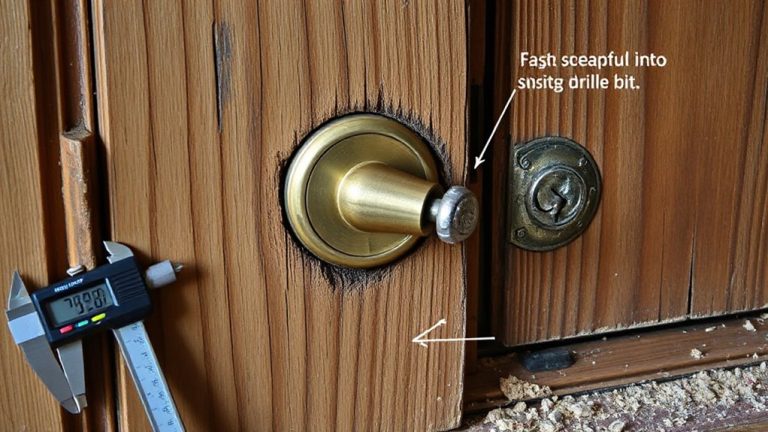
When it comes to forced entry, thieves don’t waste time on locks-they go for the weakest point, and in an unreinforced solid wood door, that’s usually the jamb, strike plate area, or locking mechanism. You might think solid wood is strong, but without reinforcement, it’s vulnerable to simple kicks or pry tools. The jamb, often made of softer wood, can splinter easily. Your strike plate screws are only as good as the wood behind them-short screws pull out under pressure. Door warping over time creates gaps, making latches unreliable. Moisture damage weakens structural integrity, especially near the bottom of the door or frame. These flaws aren’t obvious daily, but they’re exploited quickly during break-ins. Even high-quality wood doors suffer from these weak spots if not reinforced. You’ll need to address these vulnerabilities to improve real-world security, especially in climates with humidity swings or heavy rainfall.
Types of Steel Reinforcement for Wood Doors
Because solid wood doors can fail under force despite their appearance of strength, adding steel reinforcement makes a noticeable difference in real-world security. You can choose from several types, each addressing different vulnerabilities. Door jamb reinforcement involves installing steel plates along the frame, strengthening the area where most forced entry occurs. This kind often works with magnetic sensors, alerting you if the door is breached. Strike plate reinforcement uses longer screws and thicker metal to resist kick-ins. Don’t overlook hinge armor-steel plates on both the door and frame at each hinge prevent attacks on this weak spot. Some systems integrate with smart home setups, offering monitoring via magnetic sensors. While basic kits cost $20–$50 and take under an hour to install, professional setups may cost more but offer better alignment and durability. Choose based on your threat level and budget.
How Reinforced Doors Deter Common Break-In Tactics
While intruders often target doors because they’re the most vulnerable entry point, a solid wood door with proper steel reinforcement can stop many common break-in methods before they succeed. You face fewer risks from forced entries when steel bars or frames back your door, resisting impacts that would crack or splinter plain wood. These reinforcements eliminate leverage points-places where burglars insert tools to pry open doors-by reinforcing hinges, frames, and strike plates. Without weak spots, even strong attempts fail. Reinforced doors also resist kicking and shoulder rams, giving you added seconds that often deter break-ins. Most systems add little to installation cost-typically $100–$300-yet markedly improve security. Steel components aren’t visible, so you retain wood’s aesthetic while gaining verified protection. Choose UL-tested models for proven results. This upgrade is one of the most cost-effective ways to protect your home against common forced entry tactics.
Steel Strength, Wood Style: Design That Blends In
Though you want a door that stands up to forced entry, you don’t have to sacrifice the warm, natural look of wood for heavy-duty protection. Modern reinforced doors offer steel strength behind a solid wood exterior, giving you both security and style. With smart construction, the steel frame is hidden within the wood, allowing for seamless design that doesn’t draw attention. This aesthetic integration means your front door still complements your home’s architecture, not looks like a vault. You’ll get the visual appeal of real wood grain and finish, paired with tested resistance to prying and impact. Many models maintain standard dimensions, so installation is straightforward and fits existing frames. While reinforced doors cost more upfront-typically $300–$800-the long-term value in safety and curb appeal is well supported by security studies.
Strike Plates, Frames, and Inserts: Where to Reinforce
When it comes to securing your solid wood door, the weakest points often aren’t the lock itself but the surrounding hardware-especially the strike plate, door frame, and any glass or sidelight inserts. You need reinforced strike plates with 3-inch screws that anchor into wall framing, not just the jamb. Without them, even a strong lock can fail under pressure. Door warping over time may misalign the latch, so regular checks help maintain a tight seal. Proper hinge alignment guarantees the door sits flush, preventing stress on the frame and improving security. For glass or sidelight areas, consider security film or steel inserts to resist break-ins. Steel-reinforced frames add durability and resist kick-in attempts. While upgrades cost $50–$150, they’re a smart investment. Combined, these improvements shore up vulnerabilities, letting your solid wood door look great and perform safely for years. Upgrading to one of the best security doors for your home ensures maximum protection without sacrificing aesthetics.
On a final note
You need steel reinforcement because solid wood doors alone can’t stop determined intruders. Without it, hinges, frames, and locks are weak points. Adding reinforced strike plates, steel inserts, or a metal frame boosts security markedly. The wood keeps your home’s look, while steel provides proven strength. It’s a practical upgrade-usually under $200-and essential if you want real protection without sacrificing style.