The Role of Artificial Intelligence in Predictive Maintenance for Home Surveillance Systems
You’re using AI every time your home surveillance system checks itself behind the scenes. It spots early signs of failure-like blurry lenses or low battery-by learning what normal operation looks like. With pattern recognition and real-time analysis, it alerts you before problems escalate. This means fewer outages, lower repair costs, and smarter energy use. You’ll stay ahead of issues without lifting a finger-see how the system keeps improving over time.
Notable Insights
- AI detects early signs of failure in surveillance systems by analyzing video quality, connectivity, and device behavior patterns.
- Machine learning models identify anomalies like frequent reboots or power fluctuations to predict potential hardware issues.
- AI monitors battery levels and sends proactive alerts to prevent unexpected camera shutdowns.
- Image analysis algorithms detect lens obstructions such as dirt or spider webs to maintain optimal video clarity.
- Predictive maintenance powered by AI reduces downtime and repair costs by enabling timely interventions before system failures occur.
How AI Predicts Surveillance Failures Before They Happen
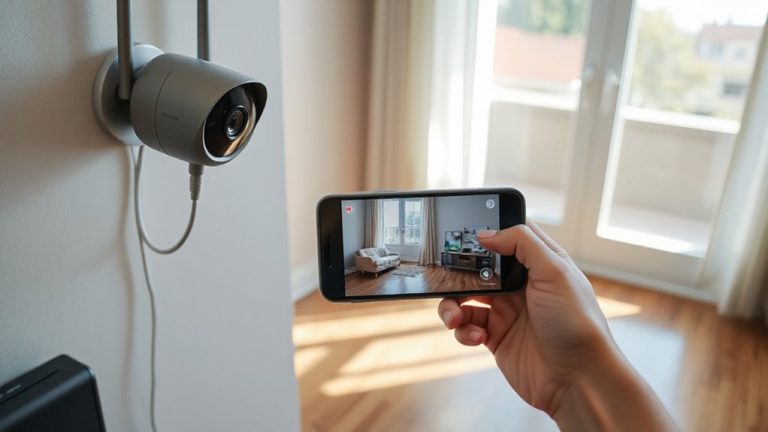
While you might not think about it until something goes wrong, AI can detect early signs of failure in your home surveillance system before they turn into serious issues. Using pattern recognition, it learns what normal operation looks like by analyzing video quality, connectivity patterns, and device behavior over time. When something changes-like a camera rebooting too often or sending blurry footage-AI flags it through anomaly detection. You get an alert, often before you’d notice anything yourself. This helps you fix small problems early, avoiding full outages. Systems with strong AI require minimal setup and work quietly in the background. Most subscriptions cost $5–$15 monthly, depending on features. While false alerts can happen, ongoing learning reduces them. Planning around compatibility and cloud storage guarantees better results. Ultimately, AI makes maintenance proactive, not reactive.
The Tech Behind AI-Powered Maintenance
Because your home surveillance system relies on consistent performance, the AI behind predictive maintenance uses machine learning models trained on vast datasets of device behavior, network signals, and video streams. These models rely on neural networks to detect subtle patterns indicating potential faults before they become critical. By continuously analyzing inputs from multiple cameras and sensors, the system performs real-time data aggregation, combining information across time and devices for a complete health assessment. This allows the AI to spot anomalies like irregular power draws or signal drops with high accuracy. Updates are pushed automatically, ensuring your system adapts to new threats and performance trends. While setup costs may be higher, long-term savings come from reduced downtime and repairs. Most systems now offer modular AI packages, letting you choose features based on your needs and budget.
How AI Detects Low Battery and Lens Issues
Modern AI systems in home surveillance don’t just record footage-they actively monitor your devices to catch problems like low battery and lens obstructions before you even notice. You get battery alerts when power drops below a safe threshold, so you can replace or recharge cells proactively. This prevents unexpected shutdowns and keeps your system running. The AI also analyzes image data continuously to assess lens clarity, detecting issues like dirt, smudges, or spider webs that block the view. If the system spots a sudden drop in visual quality, it flags the camera for cleaning or adjustment. These insights come from real-time data and usage patterns, not guesses. Over time, the AI learns your environment’s normal state, making its checks more accurate. You stay informed with timely, actionable notifications, not constant warnings. With clear lens clarity and reliable battery alerts, your system remains effective with minimal manual checks, giving you consistent monitoring without surprises.
How AI Prevents Outages and Saves Money
By staying ahead of equipment failures, AI helps prevent outages that could leave your home unprotected. It continuously monitors system performance, spotting subtle changes before they lead to breakdowns. This proactive approach reduces downtime and maintains constant surveillance. AI also improves energy efficiency by adjusting power use based on activity patterns, lowering electricity costs over time. With automated cost analysis, you receive clear reports comparing repair versus replacement options, helping you make budget-smart decisions. These insights highlight which devices are costly to maintain and when it’s more economical to upgrade. AI-driven alerts guide timely maintenance, preventing expensive emergency fixes. Over months, these small savings add up, especially when paired with optimized energy settings. You’re not just avoiding disruptions-you’re gaining control over long-term expenses. The result is a smarter, more affordable security setup that runs reliably with less waste.
What’s Next for AI in Home Surveillance?
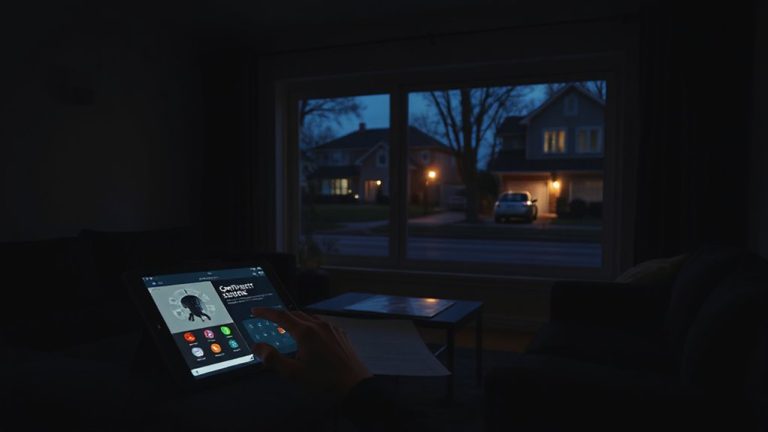
You’ve already seen how AI keeps your system running efficiently and cuts long-term costs by predicting failures and optimizing energy use, but the technology is advancing even further. Soon, smart integration will link your surveillance system with other home devices, like lights and locks, creating a unified response to threats. AI will analyze patterns across systems, improving accuracy and reducing false alarms. Real time alerts will become faster and more precise, notifying you only when action is needed. Future models will use edge computing to process data locally, boosting privacy and cutting response delays. While upfront costs may rise, long-term savings and reliability improve. Look for systems with scalable architecture and strong data encryption. Planning for AI upgrades now guarantees compatibility later. These advancements offer stronger protection with less effort on your part. A critical part of this evolution includes choosing cameras that natively support automation and local processing, such as those in the best Home Assistant security cameras lineup.
On a final note
You can rely on AI to monitor your home surveillance system and catch issues early, like low batteries or dirty lenses, before they cause problems. It learns normal behavior and alerts you to changes, reducing downtime and repair costs. Systems with AI may cost more upfront but save money over time. Always check warranty, update frequency, and compatibility when choosing a system.