Setting Up a Comprehensive Emergency Response Protocol for Alarm System Users
You can cut emergency response times by up to 60% by pairing your alarm system with a clear family protocol. Assign roles based on age and ability, set up fire, break-in, and medical plans with practiced evacuation routes, and store emergency supplies in easy-to-reach spots. Program key contacts into speed dial and enable voice assistant calling. Test systems monthly, run realistic drills twice a year, and link your alarm to 24/7 professional monitoring for faster dispatch. Most monitoring services cost $20–$50 monthly and integrate with local responders. Keep contact lists and access codes updated, and review your full plan every six months to reflect household changes. Customizing each step guarantees everyone acts quickly and safely when seconds count.
Notable Insights
- Configure alarm sensitivity settings by zone to balance threat detection and minimize false alarms from pets or environmental factors.
- Assign family members specific emergency roles based on age and ability to ensure coordinated response during fire, break-in, or medical events.
- Establish and practice evacuation plans with primary and secondary routes, updating them quarterly or as household needs change.
- Store emergency supplies like flashlights, first aid kits, and fire extinguishers in accessible locations, and inspect them monthly.
- Program emergency contacts into speed dial, lock screens, and voice assistants, and verify they’re current for all family members.
Understand What Triggers Your Alarm System
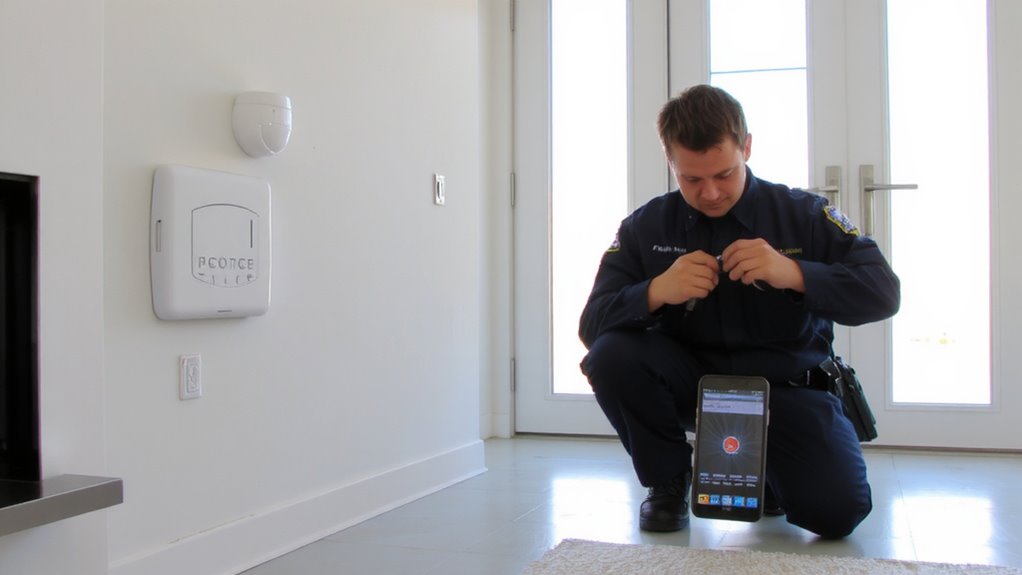
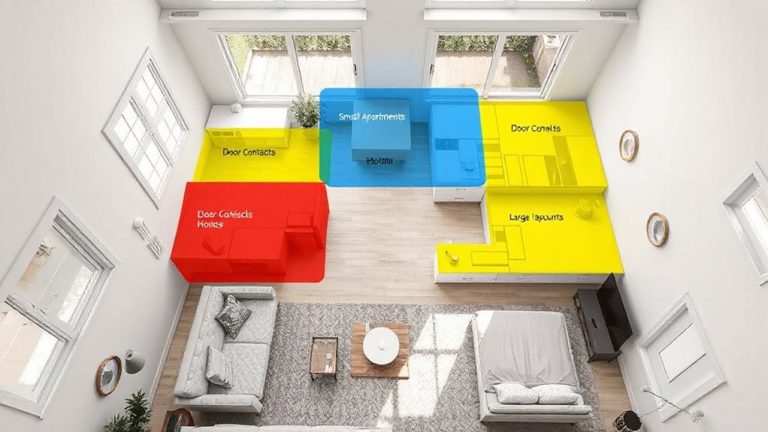
What exactly sets off your alarm, and how can you avoid unnecessary alerts? Your system responds to motion, door or window sensors, and sometimes environmental triggers like smoke. Alarm sensitivity plays a big role-higher settings increase false alarms from pets or drafts, while lower settings might miss real threats. Most modern alarms let you adjust sensitivity per zone, so you can customize coverage. For example, set lower sensitivity in pet-friendly areas. You should test your system monthly to identify weak spots. False alarms not only disrupt your household but can lead to fines from local authorities. To reduce risks, clean sensors regularly and keep doors and windows properly sealed. Investing in smart sensors helps too-they distinguish between people and pets. Proper setup and sensitivity tuning save time, money, and stress, making your alarm system reliable without being overly reactive. Upgrading to one of the best motion sensors for lights can further enhance accuracy and integration with smart home security systems.
Assign Roles for Each Family Member by Emergency Type

A well-designed emergency plan treats each family member as a key player, not an afterthought. You’ll need clear emergency roles so everyone knows what to do when alarms sound. Assign tasks based on age, ability, and experience-older kids can help younger ones, while adults take charge of communication or evacuation. Strong family coordination reduces panic and improves response time during crises. For example, one person might be responsible for shutting off utilities, another for gathering essential supplies, and someone else for checking windows or doors. Rotate practice drills monthly to reinforce these roles. This structured approach guarantees no critical step is missed and prevents confusion. When each person has a defined responsibility, your household responds faster and safer. Emergency roles aren’t set in stone-review and adjust them every few months or after a drill to keep your plan effective and realistic for all family members.
Build Response Plans for Fire, Break-In, and Medical Emergencies

When an emergency strikes, having a clear, practiced response plan for fires, break-ins, and medical incidents can greatly improve safety outcomes. For fires, identify primary and secondary evacuation routes from every room and practice using them twice a year. Keep emergency supplies like flashlights, first aid kits, and fire extinguishers in accessible locations. In a break-in, stay calm, follow your assigned role, and exit safely if needed-know where to shelter or escape. For medical emergencies, make certain someone calls for help while another retrieves emergency supplies, including medications or an AED if available. Test each plan quarterly, adjusting evacuation routes as layouts change. These drills reduce panic and response time. Well-rehearsed plans, combined with accessible emergency supplies and clear evacuation routes, substantially increase survival and safety during crises.
Keep Emergency Numbers One Tap Away
Though emergencies unfold quickly, you can save critical seconds by having emergency numbers instantly accessible through your smartphone or home devices. Quick access to emergency contacts guarantees you respond without delay, whether calling police, fire, or medical services. Program essential numbers into your phone’s speed dial and enable emergency widgets on your lock screen. Use voice assistants to store key contacts for hands-free calling.
| Service | Recommended Contact | Notes |
|---|---|---|
| Fire | 911 | Always first for fires or smoke |
| Police | 911 | Fast response for break-ins |
| Medical | 911 | Immediate help for health crises |
| Poison Control | 1-800-222-1222 | Quick access saves lives |
| Gas Leak | Local utility number | Prevents explosions or leaks |
Update emergency contacts regularly so every family member stays safe.
Practice Your Plan With Realistic Drills
Having quick access to emergency contacts cuts response time, but knowing how to act during a crisis matters just as much. You should practice your plan with realistic drills at least twice a year to guarantee everyone responds correctly under pressure. Map out all evacuation routes in your home or office, and make sure each route is clear and easy to follow. During drills, test communication signals like alarms, verbal cues, or whistle blasts so every person recognizes the alert type. Involve all household members or employees, including children and remote workers on-site. Note delays or confusion to improve the plan. Drills improve coordination, reduce panic, and confirm that exits and signals work as intended. Practicing regularly guarantees muscle memory, which increases survival chances during real emergencies. Review and update evacuation routes and communication signals after each drill.
Link Your Alarm to 24/7 Monitoring and Local Responders
A reliable alarm system becomes far more effective when it’s linked to a 24/7 monitoring service that can alert local responders automatically. This alarm integration ensures your home is never unprotected, even when you’re asleep or away. With professional monitoring, emergency signals trigger immediate responder coordination, reducing delays and increasing intervention speed.
| Feature | Benefit |
|---|---|
| 24/7 Monitoring | Continuous protection with live operator response |
| Alarm Integration | Direct signal transmission to dispatch centers |
| Responder Coordination | Faster police or fire response through verified alerts |
You’ll pay a monthly fee, typically $20–$50, but the cost brings peace of mind and faster emergency handling. Choose monitoring services that integrate with local public safety agencies for best results. Always verify response times and guarantee your contact details are up to date.
Update Your Emergency Protocol Every 6 Months
Your alarm system’s connection to 24/7 monitoring keeps your home protected around the clock, but that setup won’t stay effective if left unchanged over time. Every six months, you should review procedures to guarantee they reflect current household needs, like new access codes or updated evacuation plans. Sit down with all family members or building occupants to confirm everyone knows their role during an alarm. Outdated instructions can delay responses and create confusion. You must also update contacts in your emergency list-people move, phone numbers change, and relationships shift. Designate primary and secondary emergency contacts the monitoring center can reach if you’re unavailable. Doing so improves coordination with responders. Routine maintenance like this takes little time but strengthens your overall security. Six-month reviews are a best practice backed by security experts and reduce the risk of system failures during critical moments.
On a final note
You now have the tools to build a reliable emergency response plan. By understanding alarm triggers, assigning roles, and practicing regularly, your household stays prepared. Linking your system to 24/7 monitoring improves response times, while updated contact lists guarantee quick access. Realistic drills reveal gaps, and biannual updates keep the plan effective. These steps, backed by safety data, reduce risk and improve outcomes during fire, break-in, or medical emergencies-simple, proven, and worth implementing.