Understanding the Role of Environmental Controls in Smart Security Solutions
You use environmental controls in smart security to monitor temperature, humidity, and air quality, keeping conditions safe and efficient. Sensors detect fires, floods, and gas leaks, triggering alerts and automatic shut-offs. Systems cost $200–$800, with sensors at $20–$60 each, and often work without professional help. They cut energy costs, reduce damage, and support health by maintaining ideal levels. You’ll see how they connect to alarms and handle extreme weather.
Notable Insights
- Environmental controls in smart security monitor temperature, humidity, and air quality to maintain safety and comfort.
- Smart thermostats and automated shades optimize energy use by responding to real-time environmental data.
- Leak and smoke sensors detect hazards early and trigger alerts or automated responses to prevent damage.
- Integrated systems enable centralized control via an app, linking environmental sensors with security and climate devices.
- Automated responses like shutting off water valves or activating ventilation enhance emergency preparedness and reduce risks.
Defining Environmental Controls in Smart Security
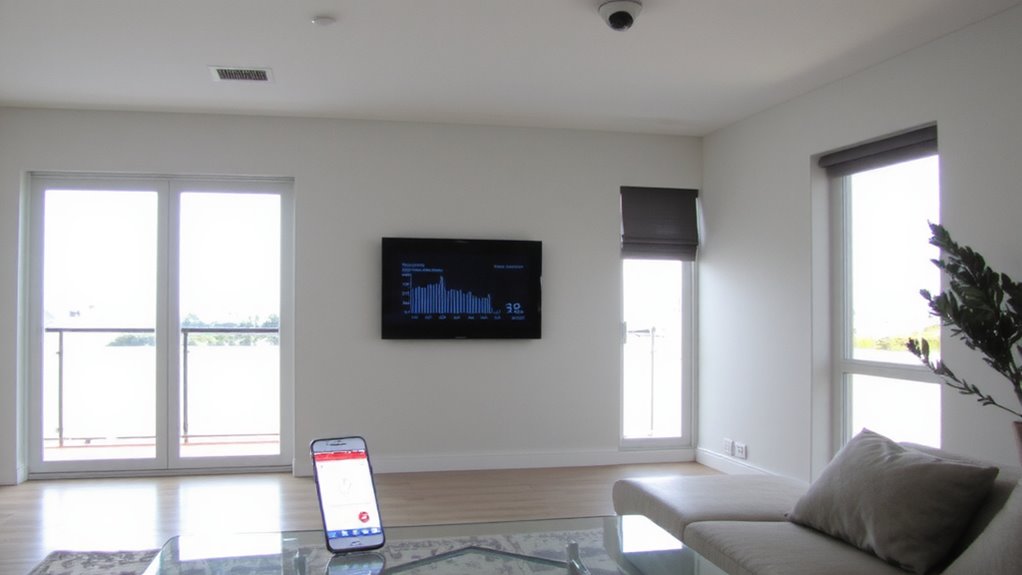
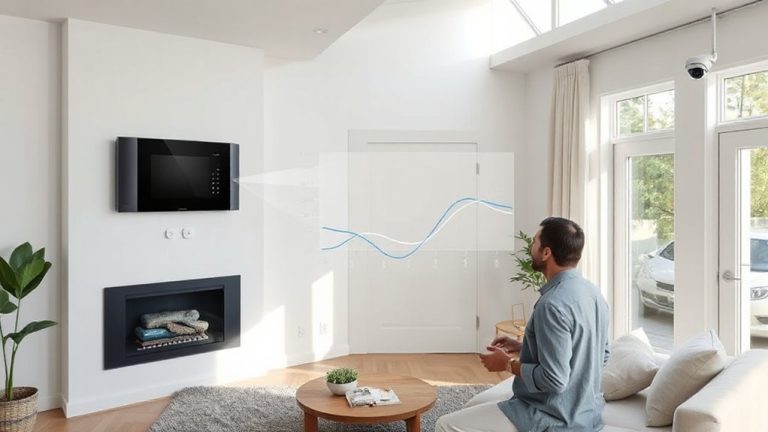
While thinking about smart security, it’s easy to focus only on cameras and alarms, but environmental controls play a critical role too. These systems use sensors and automated devices to monitor and adjust conditions like temperature, humidity, air quality, and lighting in your home. You benefit from improved energy efficiency because heating and cooling only run when needed, reducing waste. Smart thermostats, automated shades, and air purifiers adapt based on real-time data. System integration lets these devices work together through a central hub, so you can control everything from one app. For example, if windows open, the HVAC pauses automatically. Most systems cost $200–$600 upfront, with long-term savings on utility bills. They’re reliable, require minimal maintenance, and enhance comfort while supporting security. However, poor setup can reduce effectiveness. Choose models with strong interoperability to guarantee seamless system integration.
How Sensors Prevent Fires, Floods, and Health Hazards
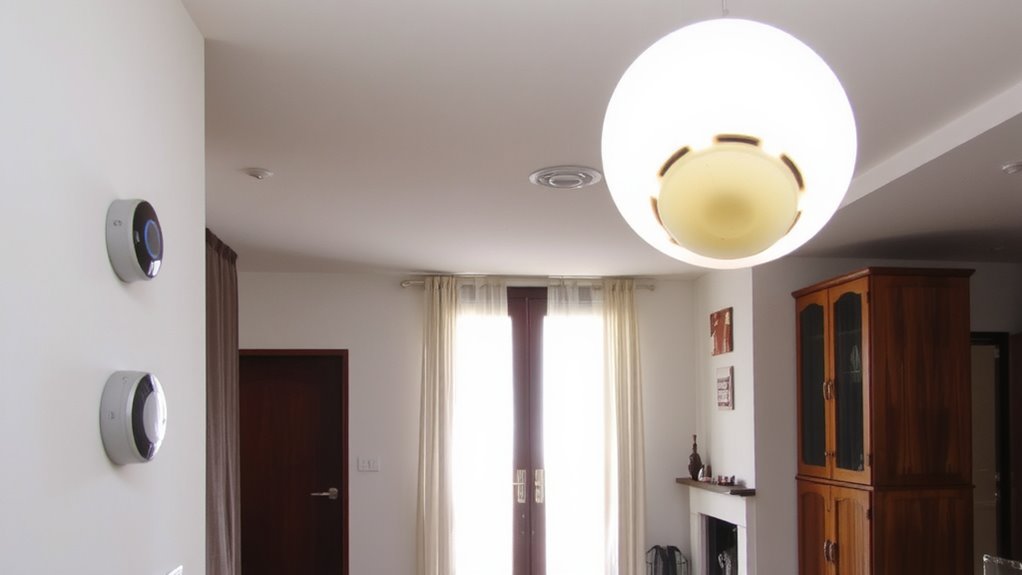
Sensors in smart security systems do more than track movement-they actively protect your home from serious risks like fires, floods, and health threats. With fire detection, heat and smoke sensors spot danger early and alert you before flames spread. You’ll get instant notifications, even when you’re away, so you can act fast. Leak sensors near appliances and plumbing help prevent water damage by detecting moisture where it shouldn’t be. Left unnoticed, leaks can weaken structures and encourage mold, but these sensors catch issues in minutes. Many systems integrate directly with home automation, shutting off water valves automatically. Units vary in price from $20 to $60 each, with professional installation adding minor cost. Most offer long battery life and Wi-Fi reliability. Choosing devices with smart alerts and联动 responses increases safety without complexity. These sensors are a practical upgrade, offering measurable protection with minimal maintenance. For high-risk areas like garages, installing a best smoke alarm for garages ensures reliable detection in environments with extreme temperatures and fumes.
Monitor Temperature, Humidity, and Air Quality in Real Time
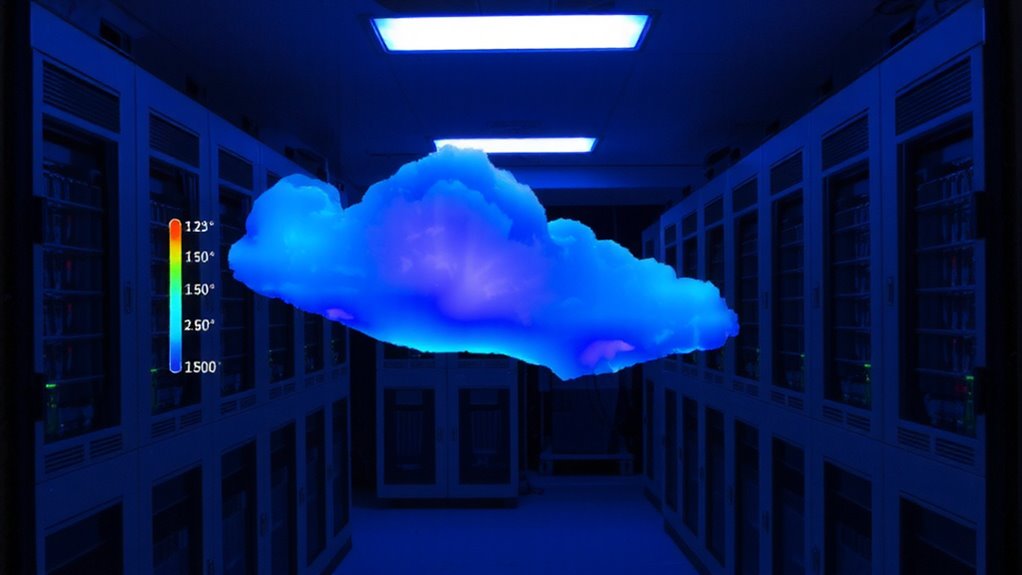
When your smart security system includes environmental monitoring, you’re not just guarding against intruders-you’re also tracking the invisible factors that affect your home’s comfort and safety. Real-time sensors keep tabs on temperature, humidity, and air quality, giving you actionable data to maintain a healthy indoor environment. With system integration, these sensors work alongside your security and HVAC systems, boosting energy efficiency by preventing overuse. Below is a quick reference for key environmental metrics:
| Factor | Ideal Range | Benefit |
|---|---|---|
| Temperature | 68–72°F (20–22°C) | Comfort, reduced energy costs |
| Humidity | 30–50% | Prevents mold, preserves structure |
| Air Quality | Low VOCs, CO₂ < 1000 ppm | Supports respiratory health |
You get alerts when levels shift, allowing quick adjustments. System integration guarantees seamless control, while energy efficiency lowers utility bills over time.
Automate Emergency Responses to Leaks, Smoke, and Gas
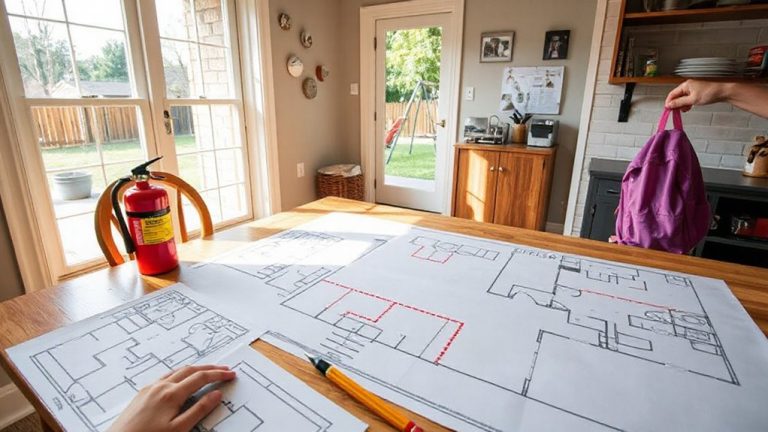
If danger strikes in the form of a water leak, smoke, or dangerous gas buildup, your smart security system can respond instantly-without waiting for you to notice. Automated sensors detect anomalies and trigger immediate actions, like shutting off water valves for leak containment or activating ventilation systems for gas neutralization. These responses reduce damage and enhance safety, especially when you’re away. Fast intervention helps prevent mold, structural issues, or hazardous exposures. Systems vary in speed and integration-choose models with proven response times and fail-safes. Some require professional installation, which adds to cost, while DIY kits offer flexibility but need regular testing. Reliable performance depends on proper sensor placement and routine maintenance. Subscription services may offer remote monitoring, but check fees and contract terms. Overall, automated emergency responses provide measurable protection, giving you time to act while minimizing risk.
Sync Sensors With Smart Alarms and Emergency Alerts
Your system’s ability to react automatically to leaks, smoke, or gas gives you a strong defense, but that protection improves markedly when sensors work in sync with smart alarms and emergency alerts. Proper sensor calibration guarantees accurate detection, reducing false alarms and improving response reliability. Alarm silencing features let you quickly cancel alerts remotely when false triggers occur, boosting convenience without compromising safety. For those integrating audio monitoring into their smart security setup, a reliable best home recorders choice ensures clear, continuous documentation of environmental sounds.
| Feature | Benefit |
|---|---|
| Sync alerts | Immediate notifications to your phone |
| Smart alarms | Auto-alert emergency contacts |
| Real-time data | 24/7 monitoring with alerts |
| Sensor calibration | Fewer false alarms, accurate readings |
| Alarm silencing | Remote control for verified false alarms |
Syncing devices creates a responsive network that acts fast and keeps you informed, improving home safety with reliable, data-backed automation.
Upgrade Security to Handle Climate-Driven Emergencies
How ready is your home security system for intense storms, heatwaves, or rising flood risks? As climate-driven emergencies grow more frequent, your system must support climate resilience and disaster preparedness. Modern smart security systems now include environmental sensors that detect floods, extreme temperatures, and power outages. These alerts let you respond quickly, either remotely or through automatic shutdowns of electricity or water. Investing in durable, weather-resistant cameras and backup power guarantees functionality during blackouts. Systems with cellular backup maintain connectivity when internet fails. Though initial setup costs range from $300–$800, they’re cost-effective compared to storm damage. Prioritize models with professional monitoring and integration into community alert networks. A well-upgraded system doesn’t just protect valuables-it supports long-term safety and recovery when disasters strike, making climate resilience a core part of your security plan.
On a final note
You now see how environmental controls boost smart security by detecting fires, floods, and poor air quality early. Sensors monitor temperature, humidity, and gases in real time, triggering alarms or shutting off water automatically. Synced systems send alerts to your phone, helping you act fast. These upgrades handle climate risks effectively, but require upfront planning and moderate investment. For stronger protection, combine them with existing security for reliable, data-driven safety.