Understanding the Legal Implications of Using Audio Capabilities in Security Systems
You could be breaking the law if you record audio on your security system without knowing your state’s consent rules. Most states follow one-party consent, but 12 require all-party permission. Audio recording is banned in private areas like bathrooms, even in your own home. Fines range from $500 to $5,000 per violation, and criminal charges are possible. Always post clear signage if recording in public areas, and get written consent when unsure-staying compliant protects you legally. More key details about safe, lawful use follow.
Notable Insights
- Federal and state laws, including the ECPA, restrict audio recording without proper consent.
- One-party or all-party consent requirements depend on the state’s wiretapping laws.
- Audio surveillance is illegal in private areas like restrooms and hotel rooms, regardless of consent.
- Clear signage is required in public or shared spaces to notify individuals of audio recording.
- Violations can result in fines up to $5,000 per incident, civil lawsuits, or criminal charges.
What U.S. Wiretapping Laws Govern Audio Surveillance?
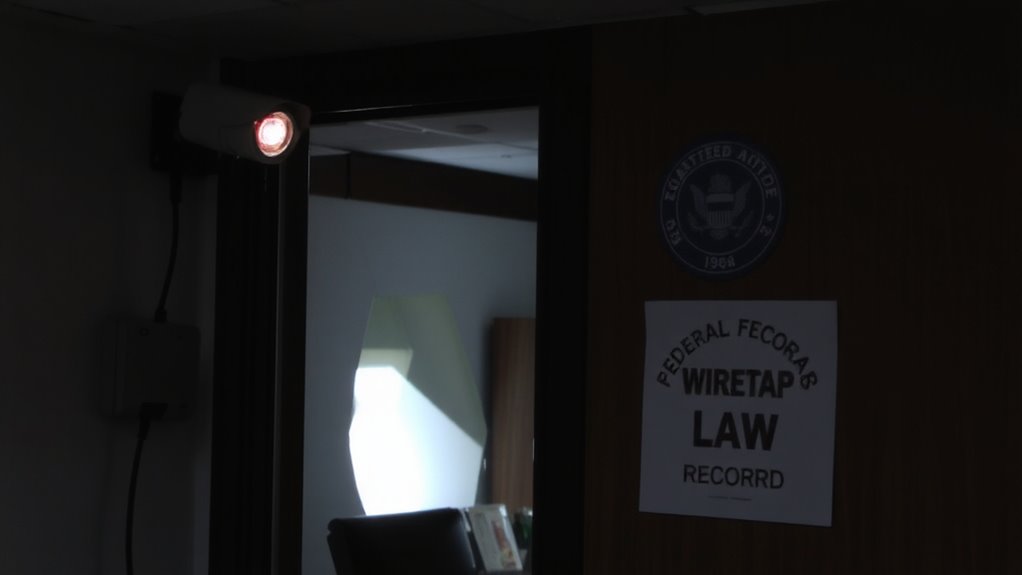
While you might think recording audio around your home is as simple as installing a camera, federal and state wiretapping laws actually place strict limits on when and how audio can be captured. The federal Electronic Communications Privacy Act (ECPA) prohibits audio interception without consent, treating it as electronic eavesdropping in many cases. This means capturing private conversations, even in your own home, may violate the law if others haven’t agreed. Audio interception in areas with a reasonable expectation of privacy-like bedrooms or bathrooms-is especially restricted. Some states allow recording with one-party consent, while others require all parties to agree. Always check local laws before enabling audio on security devices. Disabling audio features can reduce legal risk. When in doubt, use cameras without recording sound. Planning ahead saves money and avoids penalties.
One-Party Vs All-Party Consent: What’s Legal?
You need to know whether your state follows one-party or all-party consent rules before recording any audio through security devices. In one-party states, only one person in the conversation-including you-must consent to recording. That means you can legally record audio if you’re part of the discussion, even if others don’t know. But in all-party (or two-party) states, everyone must give consent. Failing to follow this rule could violate wiretapping laws. Implied consent may apply in some areas if signs indicate audio is being recorded, but this isn’t reliable everywhere. Your recording expectations should be clear: assume conversations are private unless stated otherwise. Always check your state’s specific laws. Ignoring consent rules risks legal penalties and damages. When in doubt, disable audio or get written permission. Plan your system setup carefully-some devices separate audio features so you can comply easily.
Where Is Audio Surveillance Illegal, Even With Consent?
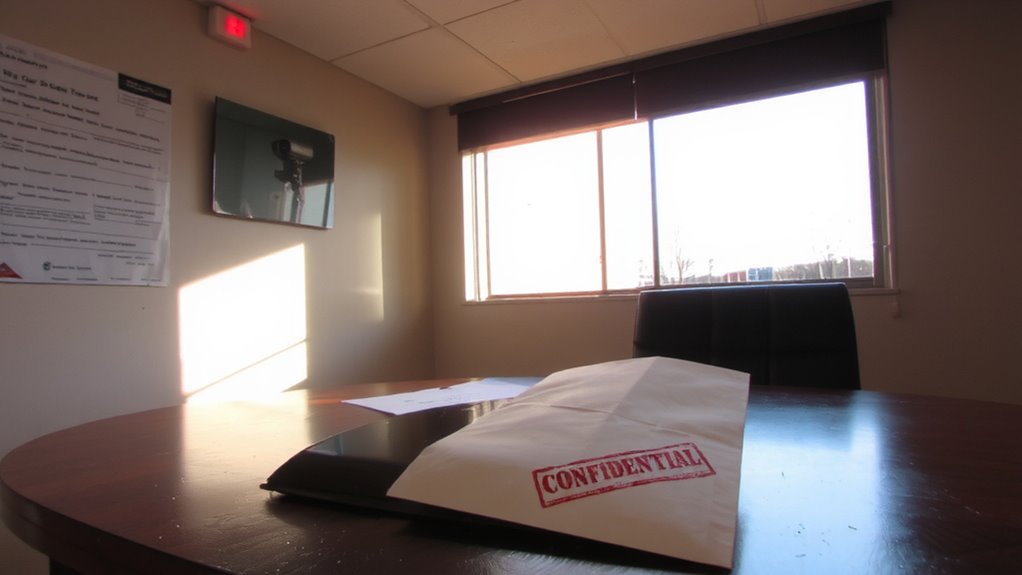
Where can you legally install audio surveillance, even if everyone involved consents? Not everywhere. Some places ban audio recording outright, no matter the agreement. You can’t legally place audio devices in areas where people expect complete privacy, like public restrooms or hotel rooms-even with consent. These spaces are protected by strict privacy laws across most states.
| Location | Audio Surveillance Allowed? |
|---|---|
| Public restrooms | No |
| Hotel rooms | No |
| Private offices | Yes, with consent |
These restrictions exist to protect personal dignity and prevent abuse. Installing audio in prohibited spaces could lead to criminal charges or civil lawsuits. Always verify local laws before adding audio to your security setup. When in doubt, leave audio out-especially in private areas where people expect confidentiality.
Do Businesses Have to Post Audio Recording Notices?
How clearly must customers know they’re being recorded? In public spaces, you’re generally required to post clear audio recording notices where people can easily see them. These signs inform visitors that both video and audio are being captured, which helps meet legal standards in many states. While public spaces often allow recording with notice, failing to post warnings can lead to liability. You should also consider employee expectations-workers have a reduced expectation of privacy in shared areas, but private conversations shouldn’t be recorded without consent. A well-placed notice at entrances reduces legal risk and sets transparency. Use bold text and universal symbols for compliance. Though not all jurisdictions mandate signs, doing so protects your business. When planning your system, budget for compliant signage-most cost under $50. It’s a small price for avoiding fines.
Are Home Security Cameras Breaking Privacy Laws?
Could your home security camera be capturing more than just footage? Depending on placement and settings, you might be recording private conversations unintentionally. Laws vary, but in many areas, audio recording without consent violates privacy rights. High audio quality increases risk by capturing clear dialogue, while longer recording duration expands liability. To stay compliant, disable audio unless necessary, limit recording to active alerts, and avoid pointing cameras at neighbors’ property. Some top-rated devices now offer built-in audio recording controls to help users manage legal compliance.
Fines and Legal Penalties for Illegal Recording
You could face steep fines and even criminal charges if your security system captures sound without consent, especially in states with strict two-party consent laws. Violating these laws may lead to criminal liability, meaning you could be prosecuted and sentenced to jail time in severe cases. Additionally, you might be sued for civil damages by individuals who claim their privacy was invaded. Courts have awarded thousands of dollars in settlements for unauthorized sound capture. Fines vary by state but can reach $500 to $5,000 per violation. Some jurisdictions impose penalties per recording, making costs add up quickly. Even accidental noncompliance won’t always protect you. Ignorance of the law isn’t a valid defense in court. Ensuring your system disables sound capture unless permitted helps you avoid legal risks. Always verify your state’s rules before enabling sound capture.
How to Use Audio Surveillance Legally in Security Systems
Recording audio with security systems isn’t illegal when done correctly, but it does come with strict rules that vary by location. You must know your state’s laws-some require all parties to consent, while others follow single-party consent. To follow audio ethics, only record in areas where there’s no reasonable expectation of privacy, like entryways or garages. Avoid placing audio-enabled devices in bathrooms or bedrooms. Always practice surveillance transparency by posting clear signs that notify people audio is being recorded. This reduces legal risk and builds trust. Check your system’s settings to guarantee you’re not capturing sound unnecessarily. Weigh the pros-increased deterrence and clearer incident details-against privacy concerns and potential liability. A properly configured system, used responsibly, can enhance security without crossing legal lines. Plan carefully and consider professional installation to guarantee compliance. For added discretion and functionality, consider models from the best spy cameras with audio list, such as top-rated hidden cameras.
On a final note
You must know the laws before adding audio to your security system. Federal law allows recording if one party consents, but 12 states require everyone’s consent. Audio is banned in private areas like bathrooms, even with permission. Businesses often need visible signs. Violations can lead to fines or lawsuits. To stay legal, check state rules, post notices, and limit audio to appropriate areas.