Using Physical Barriers Like Fences and Gates to Enhance Home Security
You can boost your home security with a sturdy fence and secure gate, starting at $15 per linear foot. Six- to eight-foot barriers made of wrought iron or thick wood deter intruders better than chain-link. Swing or sliding gates offer convenience; motorized models add safety with remote access. Pair them with sensors and cameras for real-time alerts. Regular inspections and sealant keep materials strong. Smart integration starts around $200, and proper maintenance prevents weaknesses over time-essential steps that build a complete defense.
Notable Insights
- Install fences 6 to 8 feet tall using solid materials like wrought iron or thick wood to deter climbing and forced entry.
- Use gates with secure locks and consider automated options with remote access for improved control and convenience.
- Choose gate types based on space: swinging gates for wider areas, sliding gates for tight driveways with debris-resistant tracks.
- Integrate fences and gates with alarm sensors and surveillance cameras to enable real-time alerts and activity monitoring.
- Maintain barriers regularly by inspecting structural integrity, preventing rust, sealing wood, and trimming surrounding vegetation.
Why Fences and Gates Are Foundational to Home Security
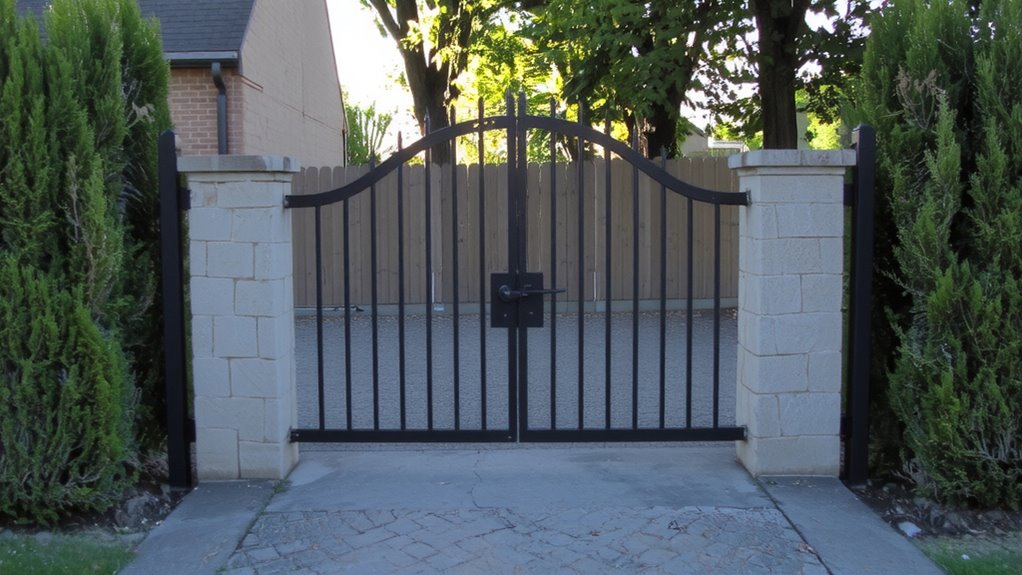
While no single measure guarantees complete safety, installing a sturdy fence and secure gate is one of the most effective first steps you can take to protect your home. You gain a strong deterrent effect-visible barriers make intruders think twice before approaching. With proper access control, you limit entry points and guide visitor movement, making your property harder to breach. That means fewer vulnerabilities and more time to respond to threats. Fences define boundaries clearly, reducing accidental trespass and increasing privacy. A locked gate adds a layer that’s both physical and psychological. Simple designs with minimal footholds work best, discouraging climbing. Materials matter, but even modest installations boost security when well-maintained. Plan gate placement for clear sightlines and consider self-closing hinges. Prices vary, but basic installations start around $15 per linear foot. It’s a cost-effective upgrade with measurable impact.
How Height, Material, and Design Impact Barrier Effectiveness
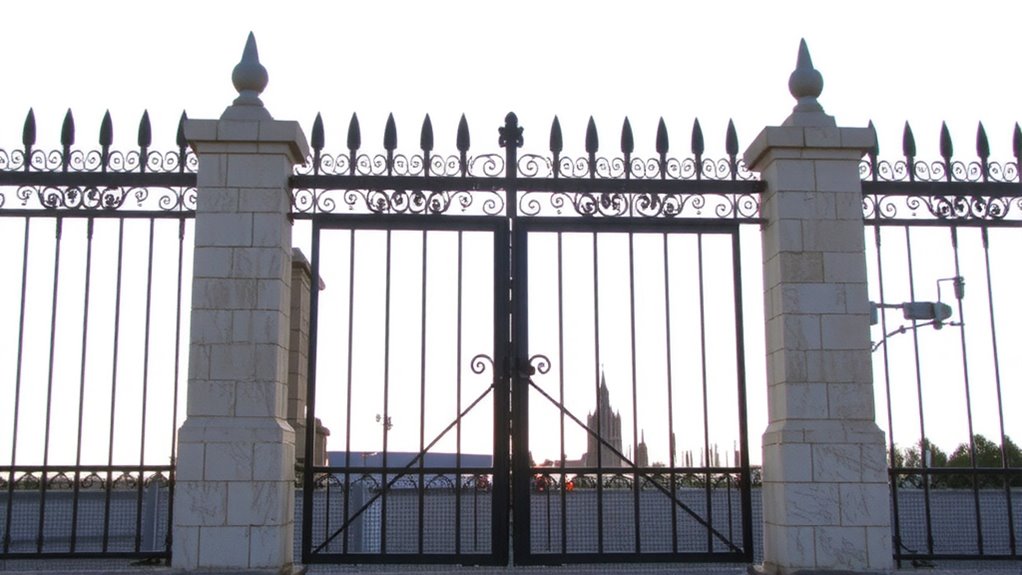
A barrier’s height, material, and design directly shape how well it deters intruders and withstands forced entry. If you make your fence at least 6 to 8 feet tall, it becomes much harder to climb. Taller barriers also improve barrier opacity, blocking views into your yard and reducing a burglar’s confidence. Solid materials like wrought iron, steel, or thick wood boost structural durability, resisting tools like bolt cutters. Chain-link offers less barrier opacity and deters casual climbers only. Design matters just as much-angled tops or rolled wires discourage climbing. For lasting effectiveness, match materials to your climate: wood rots in damp areas, while metal may rust. Consider maintenance needs and price; vinyl costs more upfront but lasts longer with less upkeep. Balance cost, strength, and visibility to get the best protection.
Choosing the Right Gate Type for Security and Convenience
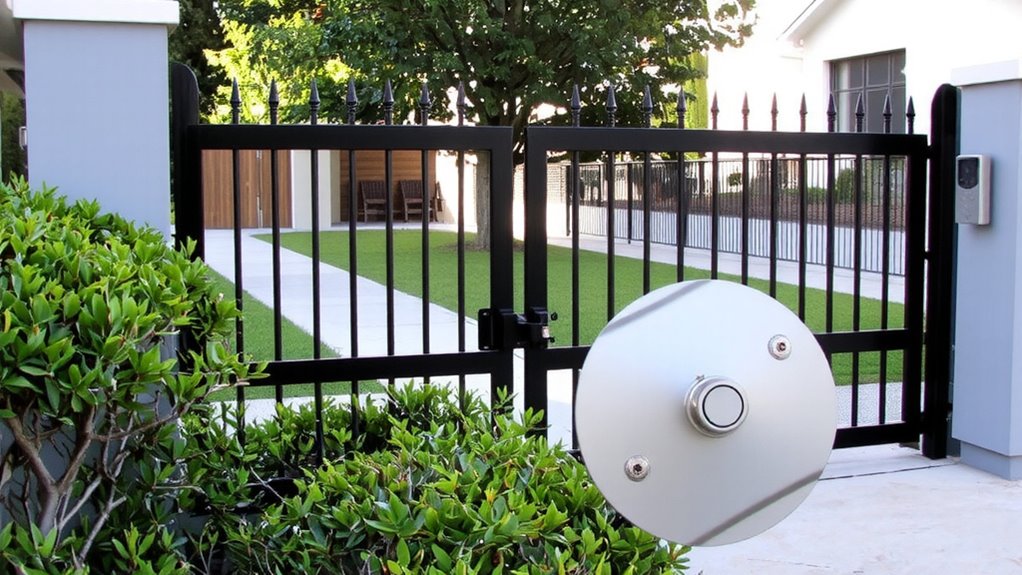
What makes a gate secure without sacrificing everyday access? Choosing the right gate type balances durability, operation, and smart features. Swinging gates work well for narrow driveways but need space to open and can be slower. Sliding gates suit tight spaces and offer smooth access, though their track can collect debris. For security and convenience, look for models with automatic sensors-these detect obstacles and prevent accidents. Pair them with remote access so you can open the gate from your car or phone, even in bad weather. Motorized gates with these features typically cost more upfront but save time and improve safety. Make sure your chosen gate material matches your fence for consistent strength. Plan for power backup and easy maintenance. With the right design and technology, you get both protection and ease.
Integrating Fences and Gates With Alarms and Surveillance
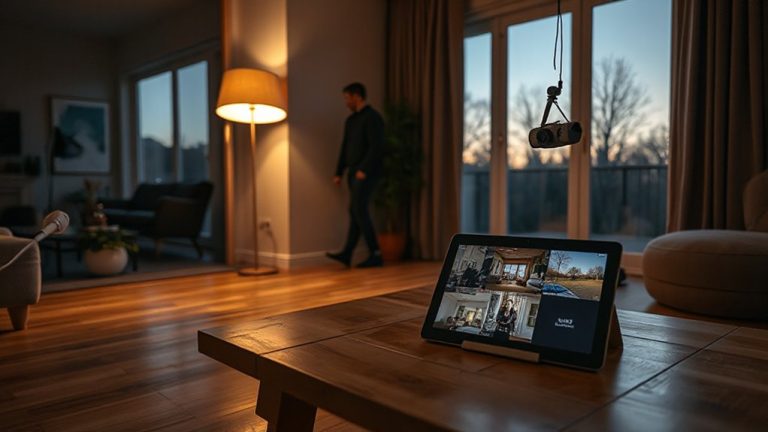
Since security systems work best when they’re layered, combining fences and gates with alarms and surveillance gives you measurable protection gains. Smart integration lets your barriers communicate with security cameras and sensors, so you get alerts when someone approaches or breaches the perimeter. You can link gate sensors to your home network, enabling automated monitoring that records activity even when you’re away. Many systems send real-time notifications to your phone, helping you respond quickly. While basic setups start around $200, full automation with professional installation can exceed $1,000. Pros include deterrence, faster response times, and remote access; cons involve upfront cost and potential false alarms. Choose systems with weather-resistant components and reliable connectivity. Always guarantee compatibility with existing security devices to avoid redundancy. With proper planning, automated monitoring and smart integration greatly boost your home’s defense without unnecessary complexity.
Maintenance Tips to Keep Physical Barriers Secure and Strong
While physical barriers can greatly enhance your home’s security, they’ll only work effectively if you keep them in good condition through regular upkeep. You should perform routine structural inspections at least twice a year, checking posts, hinges, and latches for stability. Look for loose panels, sagging gates, or shifting foundation points, as these weaken overall integrity. For metal fences or gates, rust prevention is essential-clean affected areas promptly and apply protective coatings to stop corrosion. Treating wood annually with sealant prevents rot and prolongs life. Tighten hardware as needed, since vibration and weather often loosen screws and bolts. Trim vegetation near barriers to avoid moisture retention and hidden damage. Address small issues early to prevent costly repairs later. Consistent maintenance guarantees your barriers remain strong and functional, providing reliable security for years.
Legal and Neighbor Considerations Before Installation
You’ve taken the time to maintain your existing barriers, and now it’s important to contemplate what comes before any new installation-knowing the rules and managing relationships. Before building, verify your property boundaries to avoid disputes; many conflicts arise from fences placed even slightly over the line. Check local zoning laws, as they often dictate fence height, materials, and placement. You’ll also need to review noise ordinances if construction occurs early in the day, since many areas restrict loud work before 8 or 9 a.m. Talk to neighbors early; sharing plans fosters goodwill and can prevent legal issues. Some communities require written agreements or permits before installation. While DIY may save money upfront, professional surveys and permits protect long-term value. Planning thoroughly reduces delays, avoids fines, and guarantees your security upgrade doesn’t become a liability.
On a final note
You strengthen your home’s security when you choose fences and gates wisely. Taller, sturdy materials like steel or reinforced wood offer better protection, while proper gate design improves access control. Pairing barriers with alarms or cameras increases effectiveness, but regular maintenance guarantees long-term durability. Always check local laws and talk to neighbors before installing. Planning ahead helps balance security, cost, and community standards, giving you reliable, practical results without unnecessary hassle.