The Importance of Personal Emergency Preparedness Plans in Urban Areas
You’re at greater risk in urban areas due to aging infrastructure and population density, making personal emergency plans essential. Know local hazards like floods or blackouts, and plan for at least 72 hours with water, food, meds, and a portable radio. Pack kits, map two evacuation routes, and keep contact lists handy. Use Wireless Emergency Alerts and backup systems for fast, reliable updates. A well-stocked plan gives you control when systems fail-your next steps could depend on what comes next.
Notable Insights
- Urban infrastructure failures like power outages and flooding require personal readiness to ensure safety and resilience.
- A 72-hour emergency kit with water, food, and supplies supports survival when services are disrupted.
- Knowing evacuation routes and having a communication plan improves response during sudden urban disasters.
- Shelter-in-place preparation allows individuals to stay safe indoors during hazardous conditions like storms or chemical spills.
- Using multiple emergency alert systems ensures timely warnings and accurate information in dense urban environments.
Know the Urban Disasters You Face
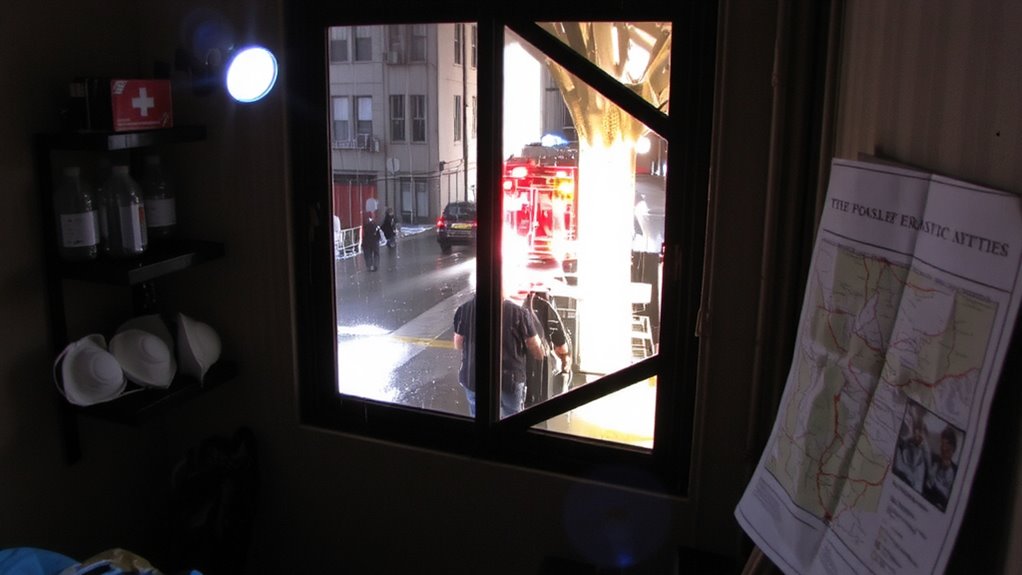
What if the next disaster you face isn’t a wildfire or hurricane, but a burst water main or a citywide power outage? In urban areas, infrastructure failures are common, and you’re often closer to risks than you think. Urban flooding can happen fast, especially during heavy rains or storm surges, overwhelming drainage systems and trapping people in basements or lower floors. Earthquake risks vary by region, but older buildings in high-density zones may not meet current safety codes. You should check your city’s hazard maps and building resilience reports-many are free online. Knowing your neighborhood’s flood zones and fault lines helps you plan escape routes and shelter locations. While you can’t control the disaster, you can control your readiness. Start by identifying nearby shelters, evaluating structural safety, and understanding local warning systems. Awareness today reduces risk tomorrow.
Pack a 72-Hour Emergency Kit
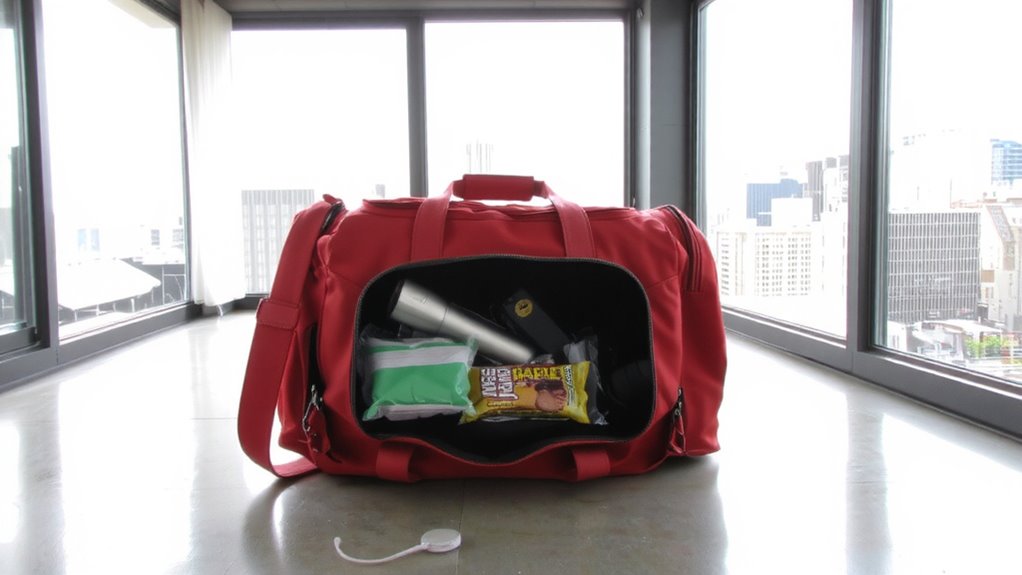
Preparation starts with having the essentials within reach when seconds count. You’ll want a 72-hour emergency kit packed and ready, especially in urban settings where help may be delayed. Include at least one gallon of water per person per day, plus water purification methods like tablets or portable filters-these are crucial if supplies run low. Pack non-perishable food, a flashlight, batteries, a first aid kit, and necessary medications. Don’t forget a multi-tool, copies of important documents, and cash. Practice supply rotation by checking contents every three months; replace expired food, water, or medicine promptly. This routine guarantees reliability when it matters most. Store your kit in an accessible location, but away from heat or moisture. A well-maintained kit enhances your resilience considerably. Start now-your future self will thank you.
Plan Your Evacuation and Contacts

How would you get out-and who would you call-if you had to leave your apartment quickly during a fire, blackout, or natural disaster? Start by identifying at least two evacuation routes from your home and neighborhood, as some paths may be blocked. Practice these routes with family members so everyone knows the safest, quickest ways out. Keep a printed copy of your contact list in your emergency kit and save it on your phone. This list should include family, friends, doctors, and local emergency services. Include out-of-town contacts, since long-distance calls may work when local lines are down. Update your contact list every six months. Know where you’ll meet loved ones if you can’t return home, and confirm if your building has emergency evacuation plans for residents. Being proactive guarantees you’re not guessing during a crisis-planning now saves time, reduces risk, and improves safety for everyone involved.
Prepare to Shelter in Place Safely
You’ve mapped out how to leave your home quickly and reconnect with loved ones after an emergency, but there will be times when staying put is the safer choice. When sheltering in place, you’ll need supplies to last at least 72 hours. Store one gallon of water per person per day and include a reliable method for water purification, such as filters or tablets, in case your supply runs low. Use food storage techniques that prioritize shelf-stable items like canned goods, dried fruits, and ready-to-eat meals. Rotate these every six months to maintain freshness. Keep a manual can opener, basic cooking tools, and a battery-powered stove if possible. Choose a room with few windows and reinforce doors if necessary. Avoid unnecessary movement and conserve energy. Proper planning guarantees you remain safe, fed, and hydrated until it’s safe to leave.
Stay Alert With Emergency Notifications
| Alert Type | Speed | Reliability |
|---|---|---|
| Wireless Emergency Alerts (WEA) | Fast | High |
| Local SMS Alerts | Moderate | Medium |
| Social Media Feeds | Variable | Low |
| Emergency Radio | Slow | High |
WEA alerts are free and automatic. SMS alerts require signup. Social media can lag. Emergency radio works during power loss but needs a hand-crank model. Choose at least two systems. Real time updates save lives-don’t wait to act.
On a final note
You’re more prepared when you know the risks in your city, like floods or power outages. Pack a 72-hour kit with water, food, meds, and flashlights. Plan escape routes and share contacts with family. If told to shelter, stay indoors with sealed windows and stocked supplies. Sign up for alert systems to get real-time updates. These steps, backed by FEMA and Red Cross data, cut risk and save lives during urban emergencies.