The Role of Local Law Enforcement in Supporting Community Security Initiatives
You rely on local law enforcement to boost neighborhood safety through visible bike and foot patrols that build trust and deter crime. Officers partner with residents in neighborhood watches and town halls, sharing data and strategies to prevent incidents. School liaisons reduce truancy and school incidents by mentoring youth. While bike and foot patrols cover less ground, they increase approachability and awareness. These evidence-based efforts strengthen cooperation-discover how each initiative impacts real-world safety outcomes.
Notable Insights
- Bike patrols enhance officer visibility and approachability, fostering trust through quiet, frequent neighborhood engagement.
- School liaisons build youth trust via mentorship and safety programs, reducing truancy and school incidents.
- Neighborhood watches partner with police to share information, increasing deterrence and improving response to suspicious activity.
- Foot patrols strengthen community ties by enabling face-to-face interactions and identifying environmental safety hazards.
- Town halls promote transparency by sharing crime data and addressing concerns, supporting accountability and informed resource allocation.
How Police Build Trust in the Community
Why do some communities feel safer and more connected to their local police? It’s often because officers meet you where you are-literally. Bike patrols let officers move quietly through neighborhoods, making them more approachable while covering more ground than foot patrols. You’re more likely to talk to an officer on a bike than one locked in a car. School liaisons build trust early by working directly with students, answering questions, and hosting safety talks. They’re not just enforcers-they’re mentors who help shape how young people view law enforcement. Studies show communities with consistent bike patrols and school liaisons report higher trust levels. These programs do have limits-bike units cover less area than cars, and liaisons require long-term funding. But the payoff in public cooperation and perceived safety is clear. When police engage face-to-face, real trust starts to grow.
How Police and Residents Prevent Crime Together
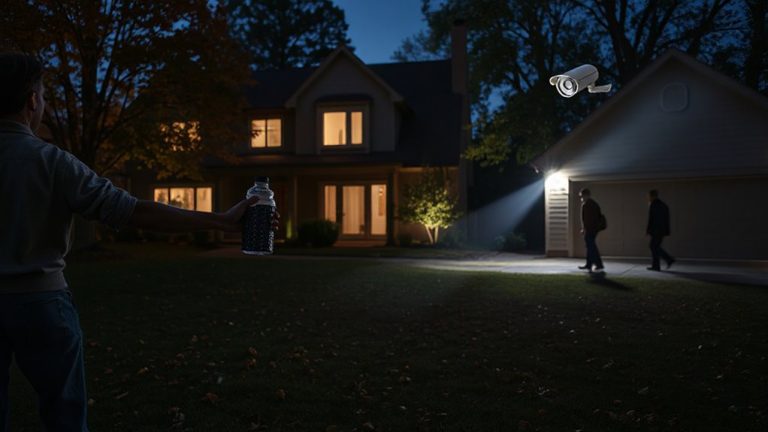
Over time, neighborhoods that actively partner with police tend to see lower crime rates, and you can play a part in that success. You help strengthen security when you join or start Neighborhood watches, where residents and officers share timely information about suspicious activity. These groups work best when meetings are regular and communication stays clear. You also boost deterrence through joint patrols, where police walk or drive through neighborhoods alongside trusted residents. Joint patrols increase visibility and show criminals that the community is alert and connected. Studies show areas with these programs report fewer burglaries and faster incident responses. While setting them up takes time and coordination, the cost is low and the payoff is measurable. You don’t need special training-just willingness to stay aware and involved. When you collaborate consistently, you make your block a tougher target.
Why Foot Patrols Build Community Trust
When officers walk the beat instead of staying behind the wheel, you’re more likely to see real trust grow between police and neighbors. Foot patrols increase officer visibility, making it easier for you to recognize familiar faces and feel safer. Officers aren’t just passing by-they’re present, approachable, and available for casual conversations that build mutual respect. This consistent presence encourages neighborhood engagement, helping officers learn local concerns firsthand. Data shows communities with regular foot patrols report higher satisfaction and cooperation with law enforcement. Unlike vehicle patrols, walking beats lets officers notice subtle changes-unlit pathways, broken locks, or unfamiliar activity-that could signal risks. While foot patrols cover less ground and require more staffing, the trade-off in trust is often worth it. You benefit from stronger connections, quicker responses, and a shared sense of responsibility for safety.
How Police Outreach Helps Keep Kids Out of Crime
| Program Type | Impact on Youth |
|---|---|
| Mentorship circles | 30% drop in truancy |
| School resource officers | 25% fewer incidents |
| After-school clubs | Improved behavior |
| Peer tutoring (police-led) | Higher engagement |
| Conflict resolution workshops | Fewer suspensions |
These evidence-based efforts give kids structure, role models, and clear consequences. When police invest time in youth mentorship and school partnerships, communities see long-term drops in juvenile crime-proactive prevention that strengthens public safety for everyone.
How Town Halls Improve Police-Community Communication
What if the key to safer neighborhoods starts with a conversation? Town halls give you a direct line to local officers, turning suspicion and silence into trust and cooperation. These neighborhood forums let residents voice concerns and get clear, factual responses. You hear updates on crime trends, learn prevention strategies, and help shape patrol priorities. Public dialogues break down barriers-officers see the community’s daily realities, while you gain insight into police challenges and procedures. Unlike formal meetings, town halls are accessible, often held in schools or centers, and require no appointment. They’re free and open to all, making them a practical tool for inclusive engagement. While turnout can be low, consistent follow-up improves attendance. When you speak up, solutions become shared responsibilities.
Measuring What Works in Community Policing
How do you know if community policing is really making a difference? You rely on data analysis and outcome evaluation to see what’s working. By tracking crime rates, response times, and community feedback, you can measure improvements over time. Data analysis helps identify patterns, like reduced burglaries in neighborhoods with foot patrols. Outcome evaluation shows whether programs increase public trust or lower repeat offenses. You should collect both quantitative stats and qualitative input from residents. This balanced approach gives a clearer picture than either method alone. While data can be time-consuming to gather, the insights help allocate resources wisely. Outcome evaluation also supports transparency, showing communities that efforts are evidence-based. You’ll need consistent reporting and trained personnel, which may require budget planning. But the payoff is smarter strategies, stronger partnerships, and safer streets.
On a final note
You can strengthen community security when law enforcement partners with residents through trust and communication. Foot patrols and outreach programs reduce crime by increasing visibility and building relationships. Town halls and data reviews help measure progress and adjust strategies. While these efforts take time and funding, they lead to safer neighborhoods. You should support evidence-based policing, stay informed, and engage locally to make effective, lasting improvements in your area’s safety.