Understanding the Legal Implications of Using Physical Barriers as Part of Your Home Defense Strategy
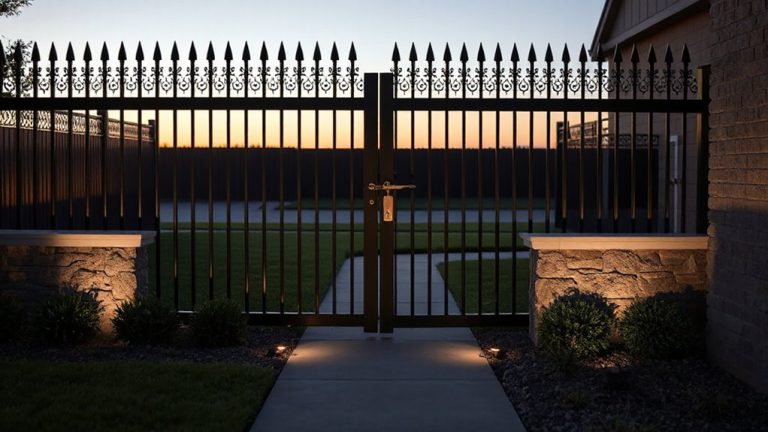
You should check local zoning and building codes before adding security bars or grilles, since fire exit rules often require quick-release mechanisms. Make sure barriers don’t violate ADA or Fair Housing laws by blocking ramps or narrowing pathways. Avoid spikes or electrified fences-they may increase liability. HOAs often restrict outdoor modifications, so get approvals first. If someone’s injured, your insurance may not cover risky setups. Think through legal risks now to avoid bigger problems later.
Notable Insights
- Check local building codes to ensure security bars comply with fire safety and emergency exit requirements.
- Install quick-release mechanisms on security barriers to meet fire and accessibility regulations.
- Review HOA rules before installing visible barriers, as aesthetic guidelines may restrict modifications.
- Avoid hazardous barriers like spikes or electrified fences to prevent legal liability and insurance issues.
- Ensure barriers don’t block accessible routes, complying with ADA and Fair Housing Act requirements.
Check Local Laws Before Adding Security Barriers
While some homeowners assume installing security bars or grilles will automatically protect their property, you’ll need to check local building codes and fire safety regulations first-many areas restrict certain types or require quick-release mechanisms for emergency exits. You must also review zoning regulations, as they dictate what modifications are allowed based on your home’s location and structure type. Ignoring these rules could result in fines or forced removal. Always confirm your property boundaries before installing outdoor barriers, since encroachments can lead to legal disputes with neighbors. Most cities require permits for permanent installations, so contact your local planning department early. Materials vary-steel is durable but costly, aluminum is lighter and rust-resistant. Budget $150–$500 per window, depending on size and design. Proper installation guarantees effectiveness and compliance. Stay informed, plan carefully, and prioritize both safety and legality when securing your home.
Don’t Break ADA or Fair Housing Rules
If you’re installing security measures around your home, you need to make sure they don’t violate the Americans with Disabilities Act (ADA) or Fair Housing Act (FHA), especially if you rent out space or live in a multi-unit building. While private homes often have ADA exemptions, shared spaces or rental units fall under FHA rules that prohibit housing discrimination. Blocking ramps, narrowing walkways, or adding gates that restrict access can be seen as discriminatory. Even well-intentioned barriers might limit mobility for tenants with disabilities, leading to legal complaints. Always plan modifications that maintain accessibility, like automatic openers or wide, non-locked paths. Review local accessibility standards before making changes. Ignoring these rules could result in fines or required alterations. You can boost security without compromising compliance-just assess how your barriers affect all residents. Smart design guarantees safety and fairness.
Protect Yourself If Someone Gets Hurt
What happens when a trespasser gets injured on your property-could you be held liable? Yes, depending on the situation. If someone’s hurt while unlawfully on your property, you’re generally not responsible, but exceptions exist-especially if you used excessive force or dangerous traps. To protect yourself, maintain proper liability coverage through your homeowner’s insurance. It helps cover legal fees and potential injury claims, even if the lawsuit lacks merit. Review your policy limits and consider an umbrella policy for added protection. Avoid setting up hazards that could appear intentional, as courts might view those as evidence of negligence. Document all security measures you install and their placement. Clear signage warning of surveillance or barriers can also reduce risk. Being proactive now prevents costly legal issues later.
Respect HOA and Local Security Limits
Since security upgrades can sometimes clash with community rules, it’s smart to check your HOA guidelines before installing cameras, fences, or lighting. Many associations regulate exterior changes to maintain home aesthetics and preserve community harmony. For example, visible security cameras or certain fence heights might be restricted, even if they improve safety. Some neighborhoods require approval for outdoor lighting placement to reduce glare and light pollution. Ignoring these rules could lead to fines or forced removal. You’ll also want to review local zoning laws, as they may limit wall height, gate operation, or alarm signage. Balancing safety with compliance protects your investment and relationships with neighbors. When in doubt, submit a request to your HOA board with product details. That way, you respect shared standards while making informed upgrades. Planning ahead saves time, money, and potential conflict down the road.
Talk to a Lawyer Before Installing Risky Barriers
Could your new security gate actually expose you to liability? It might, especially if it traps or injures someone during an emergency. Installing spikes, electrified fences, or heavy barriers can conflict with local laws and even undermine your self defense rights. These features may be seen as excessive force, weakening your legal position if someone gets hurt. Before you commit, consult a lawyer who understands property and criminal law. They’ll help you align your defenses with legal standards and guarantee your liability insurance covers you properly. Some insurers reduce or deny claims if risky barriers are involved. A legal expert can also clarify where self defense ends and criminal liability begins. Planning and pricing should include this legal review-it’s a small cost compared to potential lawsuits. Smart upgrades protect your home without increasing your risk.
On a final note
You should check local laws before installing physical barriers, as rules vary by location. Make sure your setup follows ADA and Fair Housing guidelines to avoid legal trouble. If someone gets hurt, you could be held responsible, so weigh the risks carefully. HOAs may limit what you can install. Talk to a lawyer, especially for high-risk options, to stay protected and compliant.