Smart Home Devices for Travel Safety: Lights, Locks & Cameras
Smart home devices boost your travel safety by making your home appear lived-in and letting you monitor things remotely. Timers cost $10, but smart lights ($30–$100) randomize patterns better. Cameras give live feeds and night vision, with cloud storage at $3–$10 monthly. Smart locks last 6–12 months on batteries and let you grant access from afar. Systems linked together respond faster to threats and cut false alarms. You’ll find out how to combine them effectively.
Notable Insights
- Smart lighting deters intruders by simulating occupancy with randomized light patterns during travel.
- Smart cameras provide real-time remote monitoring, night vision, and cloud-stored footage for continuous home surveillance.
- Smart locks enable remote access control, tamper alerts, and audit trails to secure entry points.
- Instant intrusion alerts use motion, sound, and heat detection to notify homeowners of potential break-ins.
- Integrated security ecosystems sync lights, locks, and cameras for automated, coordinated responses to threats.
Keep Your Home Safe While Traveling
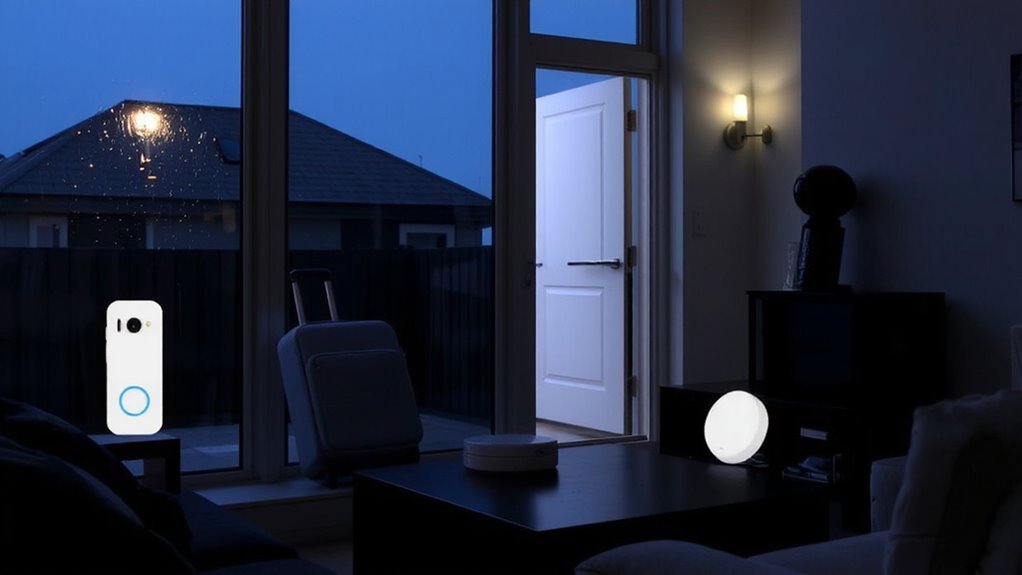
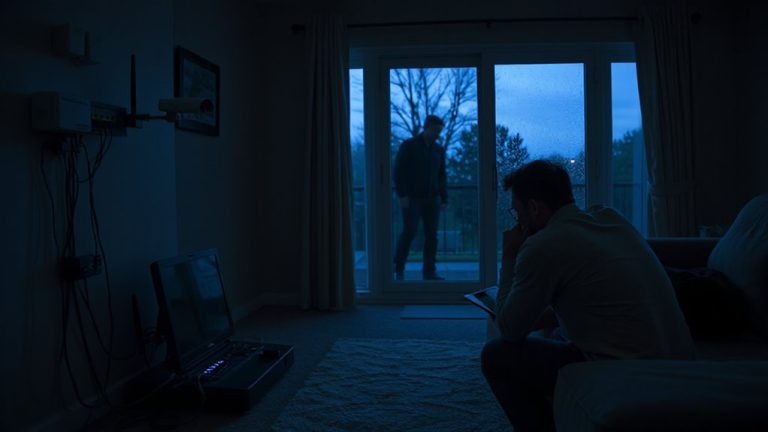
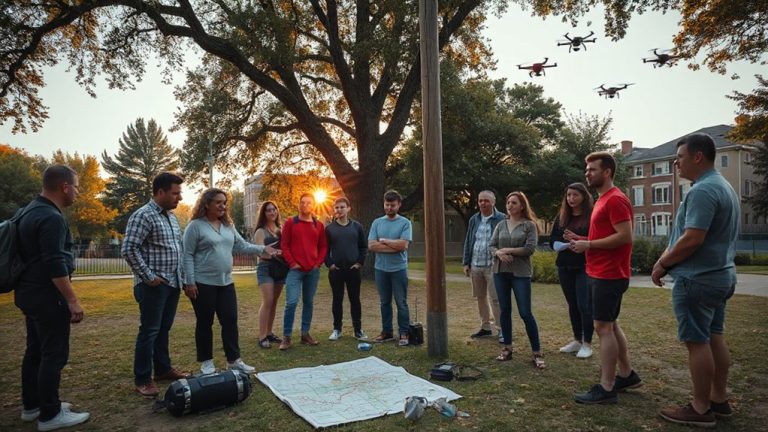
While you’re away on vacation, your smart home devices can act as a first line of defense against break-ins, especially when used strategically. Smart lights on timers make it look like someone’s home, reducing the risk of unwanted attention. Security cameras not only record activity, but also let you monitor your property in real time. If a delivery arrives, you’ll get alerts to deter package theft, a common issue even in secure neighborhoods. Pairing your system with a neighborhood watch boosts effectiveness-shared alerts increase awareness and response speed. Motion-sensor cameras with night vision provide solid evidence if incidents occur. Most systems are affordable, starting around $150, with optional cloud storage at $3–$10 monthly. Setup is simple, and integration with existing Wi-Fi is standard. While no system is foolproof, coordinated use of cameras, lighting, and alerts greatly strengthens home security while you travel. For reliable options, consider checking out the best home security cameras based on expert testing and user reviews.
Choose the Right Smart Locks for Remote Access
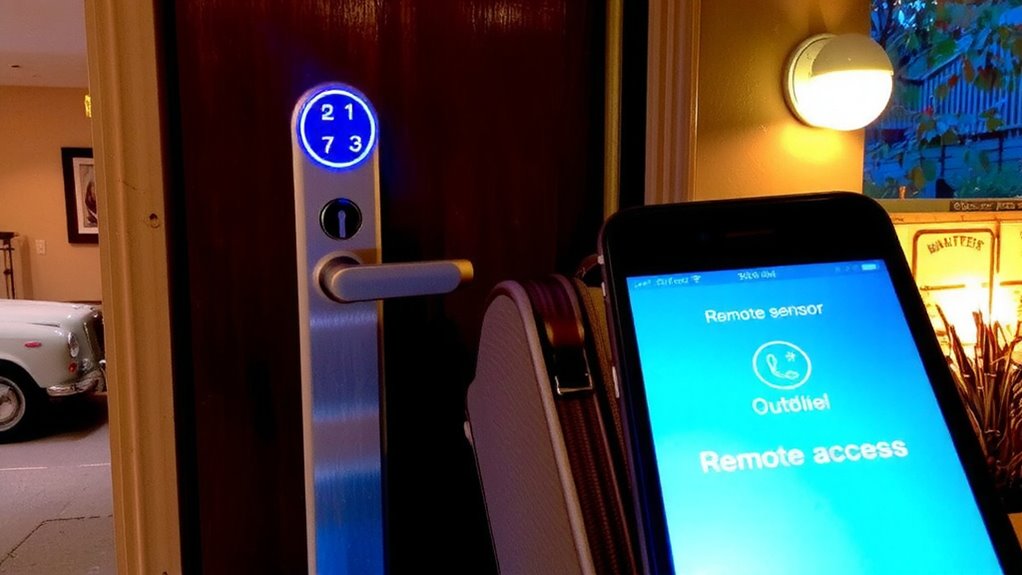
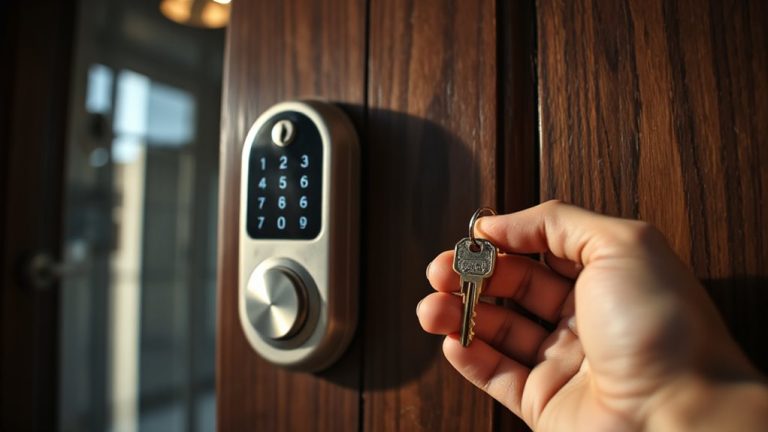
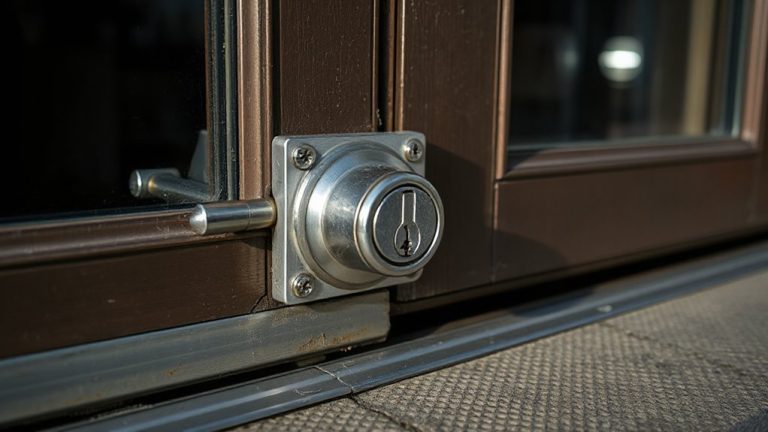
Smart locks give you control over who enters your home, even when you’re miles away. When choosing one, consider energy efficiency and installation complexity to match your needs. Battery-powered models are common and efficient, often lasting 6–12 months. Here’s a quick comparison:
| Feature | Keyed Entry | Keypad Entry | App-Controlled |
|---|---|---|---|
| Installation Complexity | Low | Medium | High |
| Energy Efficiency | High | Medium | Low |
Keypad locks offer convenience without constant app use, while app-controlled models give remote access but may drain batteries faster. Wired systems can reduce battery dependency but increase installation complexity. Pick based on your tech comfort and travel frequency. Always check compatibility with your door type and existing hardware before buying. Reliable locks integrate smoothly with smart home systems. Prioritize models with tamper alerts and audit trails for maximum security. Top models on the market offer advanced encryption and best smart lock features for enhanced protection.
Monitor Your Home in Real Time With Smart Cameras
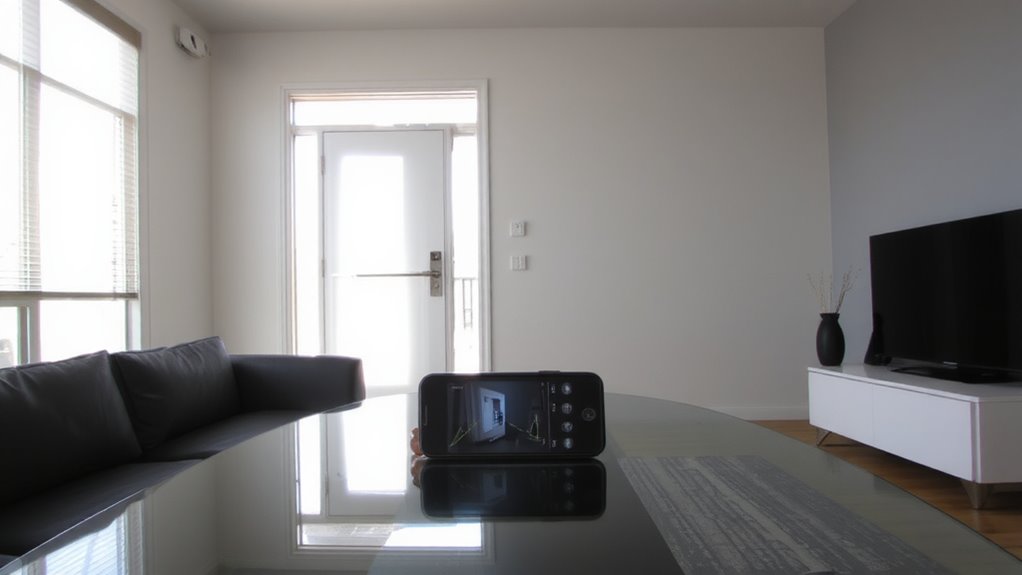
A reliable way to keep an eye on your home while traveling is through smart cameras that offer real-time monitoring and instant alerts. You can check live video feeds from your phone or tablet anytime, giving you peace of mind whether you’re across town or across the world. Most models provide night vision, so you’ll still see clearly after dark. Look for cameras with cloud storage to securely save video clips, usually with free trial periods and optional paid plans. Without cloud storage, footage might be lost if the camera is damaged or stolen. Some systems let you store video locally, but cloud options are often more reliable. Consider cameras with motion detection zones to reduce false alerts. While prices vary, mid-range models typically offer the best balance of quality, features, and long-term value. For 2025, top picks include models with advanced AI detection and seamless integration, making best wireless security cameras a smart investment for any traveler.
Automate Smart Lights to Fake Occupancy
You’ve already set up cameras to watch your home, but pairing them with automated lighting makes your absence look far less predictable to potential intruders. Simple light timers can switch lights on and off at fixed hours, but they’re easy to detect since they follow repetitive patterns. For a smarter approach, use systems that randomize light activation based on realistic motion patterns-like turning on the kitchen light at night or dimming the living room in the evening. These behaviors mimic real human activity better than static schedules. Most smart lighting systems integrate with voice assistants and apps, allowing remote adjustments even while traveling. While basic timers cost as little as $10, intelligent systems range from $30 to $100, offering greater security through variability. Consistent, randomized lighting reduces perceived vulnerability, complementing your cameras without drawing attention to an empty home.
Get Instant Alerts for Suspicious Activity
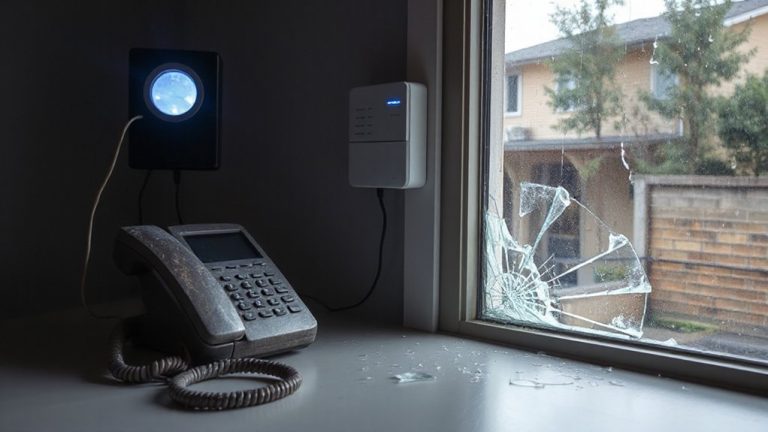
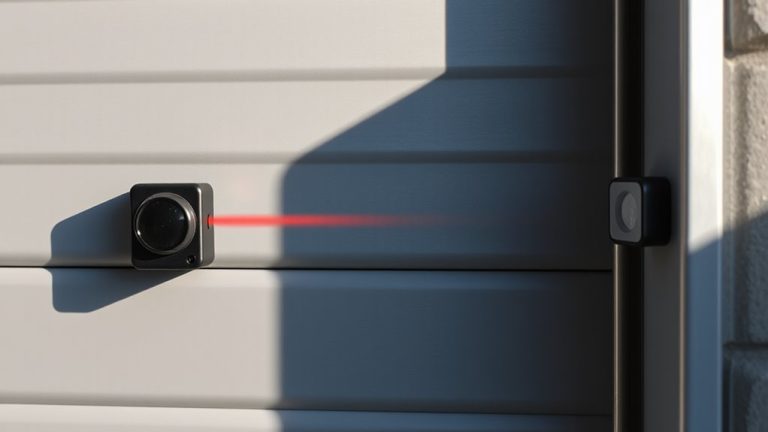
What good is a security camera if you don’t know when to check it? With motion detection and noise monitoring, you get instant alerts for suspicious activity, even while traveling. These smart features send real-time notifications to your phone when movement or loud sounds are detected near entry points. Systems using motion detection cut down false alarms by focusing on human-shaped heat signatures, not pets or swaying trees. Noise monitoring can catch breaking glass or forced entry, giving you early warnings. Most devices offer adjustable sensitivity, so you control what triggers alerts. Plans vary: basic alerts are often free, but cloud storage for recorded events typically costs $3–$10 monthly. For reliable performance, choose models with 24/7 monitoring and local storage backup. This way, you stay informed quickly, accurately-and can respond before minor issues become major problems.
Control Your Home by Voice While Away
How does your home respond when you’re not there to manage it? With voice-enabled smart devices, you can issue voice commands remotely to control lights, locks, and thermostats using a connected speaker or app. Systems like Alexa, Google Assistant, or Siri provide audio feedback to confirm actions, so you know your command registered correctly. This feature helps maintain the appearance of occupancy while you’re away, boosting security. Most platforms encrypt voice data, but check privacy policies before use. Setup usually takes minutes and works with major smart hubs. A strong Wi-Fi connection is essential for reliability. While convenient, voice control depends on internet availability and power-consider a backup option. Monthly fees are typically unnecessary, though premium services may offer added features. Use two-factor authentication to protect your account. This tool adds practical control to your travel safety plan.
Sync Devices for Smarter Travel Security
While individual smart devices offer convenience, syncing them into a unified system greatly enhances travel security by enabling coordinated automation. You benefit from device integration when lights, locks, cameras, and alarms work together using shared schedules or triggers. For example, if a door opens, the system can turn on lights and start recording-actions that deter intruders. Network synchronization guarantees all devices stay connected and respond in real time, even when you’re miles away. This reduces delays and missed alerts. Most platforms, like Google Home or Apple HomeKit, support integration but require compatible devices and a stable Wi-Fi network. Setup may take extra time, and initial costs range from $150–$400 depending on system size. Choose devices with strong encryption to protect your data. Proper synchronization gives you reliable, automated oversight-making your home smarter and safer while you travel.
On a final note
You strengthen your travel safety by integrating smart home devices. Smart locks offer secure, remote access, while cameras provide real-time monitoring and alerts. Automated lights deter intruders by simulating occupancy. Voice control and synced systems enhance convenience and responsiveness. Choose reputable brands with strong encryption and regular updates. Though setup costs range from $100–$400, the investment improves peace of mind and home security effectiveness.