Effective Self-Defense Techniques for Homeowners
Secure your home by reinforcing entry points-install solid doors, steel strike plates with 3-inch screws, and window stops. Keep flashlights or heavy pans nearby for defense, and practice palm strikes to vulnerable areas like the eyes or throat. Run monthly escape drills with your household, use alarms with 24/7 monitoring for $30–$50 a month, and establish secret codes to signal danger. Simple, consistent steps markedly increase your safety and response effectiveness when seconds count.
Notable Insights
- Reinforce doors and windows with sturdy materials and hardware to deter break-ins and delay intruders.
- Keep improvised weapons like flashlights or heavy objects accessible in key areas for quick defense.
- Target an attacker’s vulnerable spots using simple strikes such as palm blows to the nose or groin.
- Conduct monthly home escape drills to ensure all household members know safe, fast exit routes.
- Install monitored alarm systems with covert alerts to detect threats and silently summon help.
Check Weak Spots Where Intruders Break In
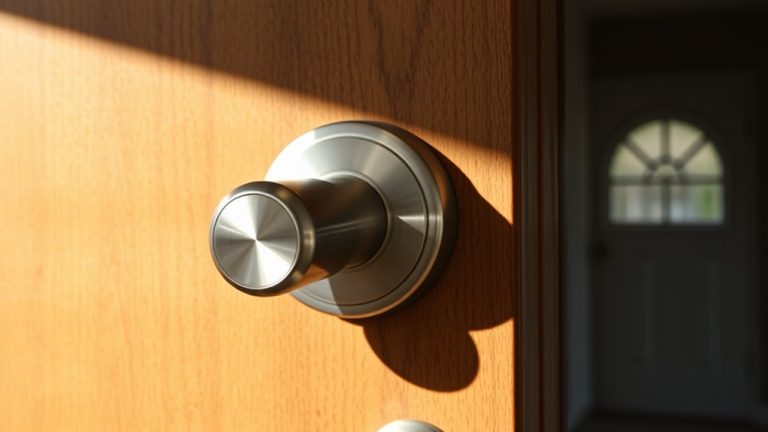
While most break-ins happen in under a minute, knowing where your home is vulnerable can make all the difference in preventing one. You should start by inspecting door frames, since weak or damaged ones are common entry points. Reinforce them with steel plates or strike plates secured by 3-inch screws to resist kicking or prying. Hollow-core doors offer little resistance, so consider upgrading to solid wood or metal. Check all window locks regularly; many intruders exploit faulty or missing ones. Locks should engage securely, and older windows may need upgrades or auxiliary pin locks. Double-hung windows benefit from stops that limit how far they can open. Survey every ground-level window and door at least twice a year. Budget for reinforcements: basic hardware costs $20–$50 per door or window, but installation may add labor fees. Proactive checks and smart upgrades reduce risk markedly. Upgrading to a high-security front door lock can significantly improve your home’s resistance to forced entry.
Turn Household Items Into Instant Weapons
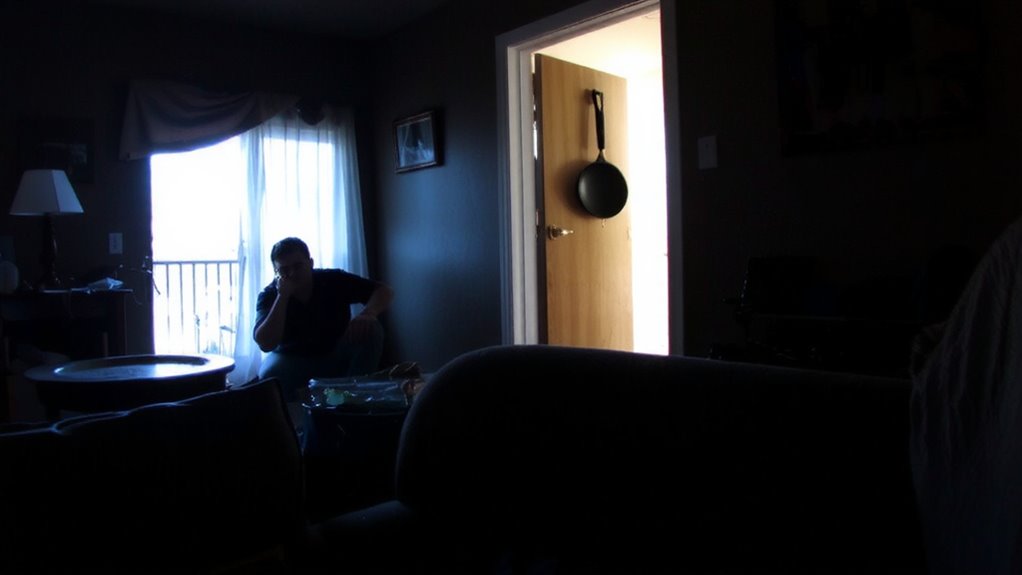
You can turn everyday household items into effective tools for self-defense when a break-in happens, and doing so could give you a critical advantage. You don’t need special gear to improvise tools-common objects like flashlights, brooms, or heavy lamps work well. Hold them firmly to help defend space and keep distance between you and an intruder. A flashlight can disorient with a bright beam, while a broom handles lets you push or block from a safer range. Heavy items like cast-iron pans or books in a bag add impact if swung. Keep these items accessible in high-risk areas like bedrooms or near doors. While not as reliable as purpose-built tools, they’re immediately available and require no training. Practicing grip and stance improves effectiveness. The goal isn’t to attack, but to create time and distance so you can escape or call for help.
Learn Simple Moves That Stop Intruders Fast
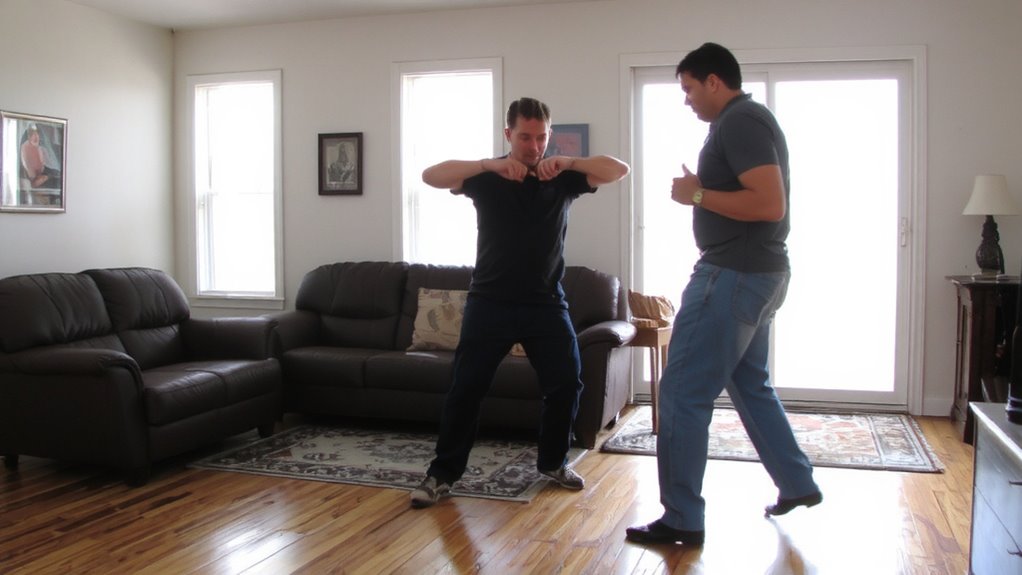
A well-placed strike to a vulnerable area can stop an intruder long enough for you to escape or call for help, and you don’t need martial arts expertise to do it effectively. Focus on stance control to stay balanced and mobile-this lets you respond quickly and avoid being overpowered. Good posture and positioning improve your ability to defend yourself while reducing injury risk. Combine that with strike precision: aim for weak spots like the eyes, nose, throat, or groin for maximum impact. These areas require minimal force but can create vital seconds for escape. Simple moves like the palm strike or elbow jab are easy to learn and highly effective when practiced. Use household mirrors to rehearse and refine technique. Consistent practice builds muscle memory, ensuring faster, more accurate responses under stress. Training videos or short courses cost little and greatly improve readiness.
Run a Home Escape Drill Every Month
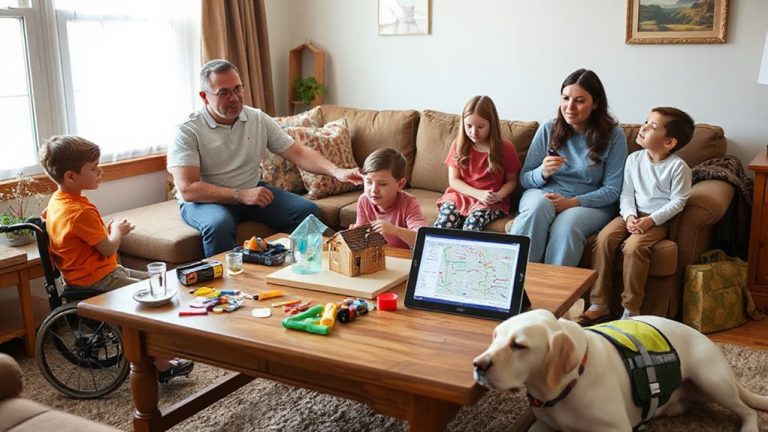
Regularly running a home escape drill every month helps you and your household respond quickly and safely during a break-in or emergency. You’ll build muscle memory for exits, reduce panic, and improve coordination under pressure. Make family participation a priority-everyone, including children and elderly members, should know the plan. Assign roles, practice multiple escape routes, and confirm all windows and doors can open easily. Use consistent emergency signals, such as a specific whistle pattern or shouted phrase, to alert others without drawing attention. Test both daytime and nighttime scenarios, since visibility and awareness differ. Drills take under 10 minutes but greatly increase response efficiency. Review and update the plan quarterly, especially after home modifications. Monthly practice guarantees familiarity, improves reaction speed, and strengthens overall home defense readiness through structured, routine preparation.
Set Up Alarms That Give You a Fighting Chance
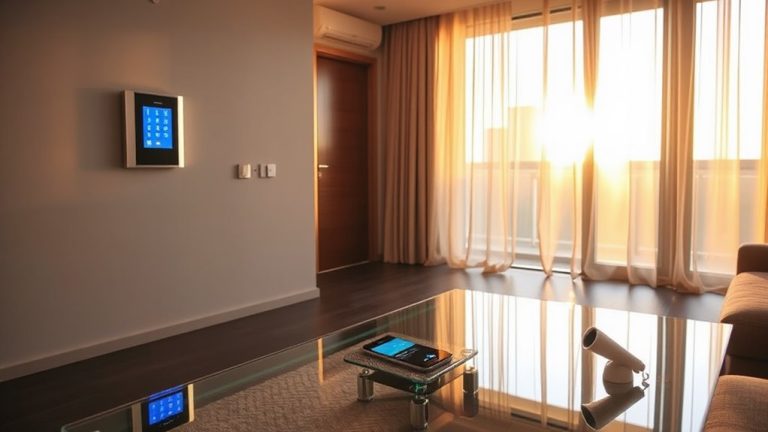
While having strong locks and lighting helps, installing the right alarms considerably increases your ability to respond before a threat escalates. Door sensors trigger when entry points open, sending instant notifications to your phone or security system. Motion alerts detect movement in key areas, especially useful at night or when you’re away. Both features give you early warning, often before an intruder advances far. Wired systems offer reliability but require professional installation, typically costing $500–$1,000 upfront. Wireless models are easier to install and expand, ranging from $200–$800, though battery maintenance is needed. Look for systems with 24/7 monitoring for around $30–$50 monthly. Choose models with mobile alerts and smart home compatibility. Test alarms monthly and replace batteries annually. With door sensors and motion alerts working together, you gain critical time to act-whether calling police or securing yourself safely. For reliable performance and expert support, consider exploring the best home alarm systems based on expert testing and user feedback.
Rehearse What to Do When an Intruder Breaks In
You’ve set up alarms to catch threats early, but knowing how to respond when sensors go off makes all the difference. Practicing your home invasion response prepares you to act fast and safely. Stress can cloud judgment, so rehearsing scenarios improves reaction time and reduces panic. Consider intruder confrontation tactics like escape, hide, or defend-and know which applies where.
| Action | Location | Recommended Tool |
|---|---|---|
| Escape | Bedroom | Window key, ladder |
| Hide | Closet | Phone, flashlight |
| Defend | Kitchen | Heavy pan, pepper spray |
Run through drills monthly. Involve all household members. Identify weaknesses in layout or timing. A well-rehearsed plan boosts confidence and effectiveness during real threats. Focus on consistency, not speed. Realistic preparation is key to staying safe.
Use a Secret Code If Someone’s in the House
What if you could signal danger without saying a word? A secret code acts as a safe signal among household members when someone’s in the house. Choose a phrase, like “Do we have milk?” or a specific knock pattern, known only to your family. If an intruder forces you to answer the door or make a call, using this code alerts others silently. It’s a hidden alert that doesn’t provoke suspicion. Practice it regularly so everyone responds correctly. Pros include low cost and ease of use. Cons: outsiders won’t recognize it, so pair it with alarms or monitoring. Set it up in 10 minutes. No special tools are needed, making it a practical addition to your home security plan. Use it alongside other defenses for best results.
On a final note
You now have practical tools to boost your home security. Check entry points monthly, use everyday items as defenses, and practice escape drills with your household. Simple physical moves can delay intruders long enough to get away or call for help. Alarms and lights increase response time, while secret codes help communicate safely. Balance cost and ease when choosing upgrades-some effective solutions are low-tech and under $50. Stay prepared, not afraid.