Medical Alert Integration With Home Security Systems for Aging-In-Place
You get faster help when medical alerts and home security are combined, especially during falls in high-risk areas like bathrooms. Systems with 24/7 monitoring, fall detection, and cellular backup send alerts to both emergency services and caregivers in under 30 seconds. GPS tracking and two-way voice support real-time coordination. Integrated systems cut response time nearly in half compared to standalone devices. Plans range from $30–$60 monthly and work best with strong Wi-Fi or cellular coverage. Choosing features based on your home layout and routine improves reliability-key for aging safely at home. Details on matching the right system to your needs follow.
Notable Insights
- Integrated systems combine medical alerts and home security for faster emergency response during aging in place.
- Fall detection with automatic alerts reduces response time to 3–4 minutes compared to standalone devices.
- 24/7 monitoring centers receive simultaneous medical and security alerts, improving coordination during crises.
- GPS-enabled wearables and home sensors support safety both indoors and outdoors for aging adults.
- Reliable performance requires cellular backup, strong signal range, and under-30-second alert response times.
How Integrated Systems Keep Seniors Safer at Home
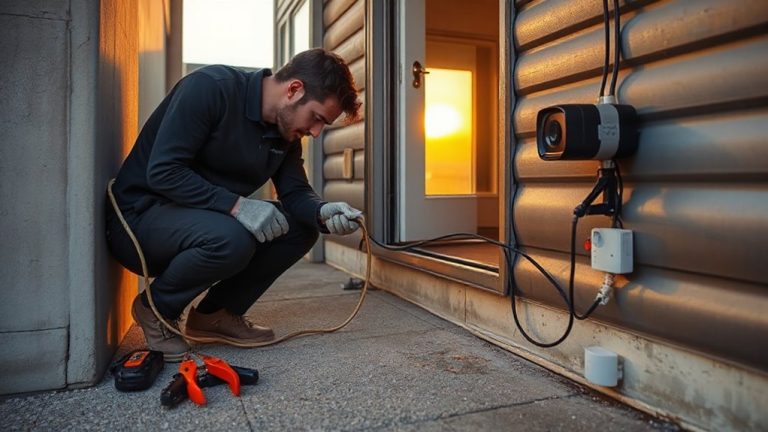
An integrated medical alert and home security system can give you peace of mind by combining emergency response with 24/7 monitoring. You benefit from immediate alerts if a fall occurs, with help dispatched automatically. These systems support remote care by allowing family or caregivers to stay informed through mobile apps. Sensors detect unusual activity patterns, like missed medication times or lack of movement, and send timely notifications. Most models work with existing broadband, though backup cellular is recommended. Monthly fees range from $30 to $60, depending on features. A key advantage is reduced response time during crises, improving health outcomes. However, false alarms can occur without proper setup. Choose systems offering fall detection, GPS tracking, and two-way voice. Installation is usually DIY. Make sure the service integrates with local emergency services. Long-term, this setup promotes independence while ensuring safety.
How Medical Alerts and Security Work Together in Real Time
When you activate a medical alert or trigger a security alarm, both systems share real-time data so emergency responders can act quickly-the moment a fall is detected or a door sensor is tripped, the hub sends a signal over your internet or cellular connection to the monitoring center, which then contacts you through two-way voice to assess the situation. This real time coordination guarantees help arrives fast, whether you need medical care or law enforcement. Emergency synchronization between systems reduces response times and improves outcomes. For instance, if a smoke detector triggers while you’re unresponsive, the medical and security systems alert responders simultaneously. Most plans include 24/7 monitoring, cellular backup, and smart home compatibility. Monthly fees range from $30 to $60, depending on features. Choose systems with reliable connectivity and low false alarm rates to maximize safety and avoid unnecessary stress.
Must-Have Features: Fall Detection, Monitoring, and Alerts
While no system can guarantee absolute protection, you’ll want fall detection, 24/7 monitoring, and instant alerts as core features for reliable protection. Fall detection automatically senses sudden impacts or unusual movements, triggering a response even if you can’t press a button. 24/7 monitoring means professionals are always on call, ready to contact emergency services if needed. Instant alerts notify caregivers or loved ones the moment an incident occurs, reducing response time. Look for systems with GPS tracking so help can find you both at home and on the go. Voice assistance lets you call for help hands-free, especially useful if you’re disoriented or immobile. These features work together seamlessly for real-time support. Choosing a system with these capabilities guarantees better safety, faster responses, and greater peace of mind. Make sure the service offers reliable connectivity and clear pricing with no hidden fees.
Choosing the Right System for Your Home and Lifestyle
How do you know which medical alert system fits your home and lifestyle? Start by evaluating your home layout and personal routines. If you move between floors often, a system with fall detection and strong signal range is essential. Homes with thick walls may need a system that connects to Wi-Fi and cellular networks for reliability. Consider whether you’re usually near a landline or more active throughout the house. A wearable pendant with GPS helps if you enjoy gardening or walking outside. Battery life and alert response time matter too-look for models with under 30-second average connect times. Some systems integrate with smart home devices, allowing voice commands or automated lighting during alerts. Monthly fees typically range from $20 to $50, with no-contract options offering flexibility. Match the system’s features to your daily patterns for best results.
When Integration Saves Critical Time: Real-Life Emergencies
You’ve picked a medical alert system that matches your daily routine and home setup, but its true value becomes clear during real emergencies where every second counts. Integrated systems enhance response coordination by automatically alerting both medical teams and security personnel. This speeds up emergency triage, guaranteeing help arrives faster and with the right resources. Choosing one of the top-rated personal alarms for seniors can further ensure reliability and ease of use during critical moments.
| Scenario | Standalone System | Integrated System |
|---|---|---|
| Fall at home | 8–10 min response | 3–4 min response |
| Cardiac event | Manual caller info | Auto-location + health data |
| System alert failure | Risk of delay | Backup via security network |
Integrated systems reduce response time markedly, improving outcomes. They use existing home security infrastructure to confirm emergencies and avoid false alarms. For reliable performance, choose a system with 24/7 monitoring, cellular backup, and two-way voice. These features support efficient emergency triage and guarantee continuous response coordination, even during power outages.
On a final note
You can feel more secure knowing integrated medical alerts and home security respond fast when needed. Systems with fall detection, 24/7 monitoring, and automatic alerts save critical time. Look for easy installation, reliable connectivity, and low monthly costs. While some require contracts, others offer flexible plans. Choose one that fits your daily routine and health needs. These features work together to support safe, independent living at home.