What Is a Hybrid Security System and Who Should Consider One?
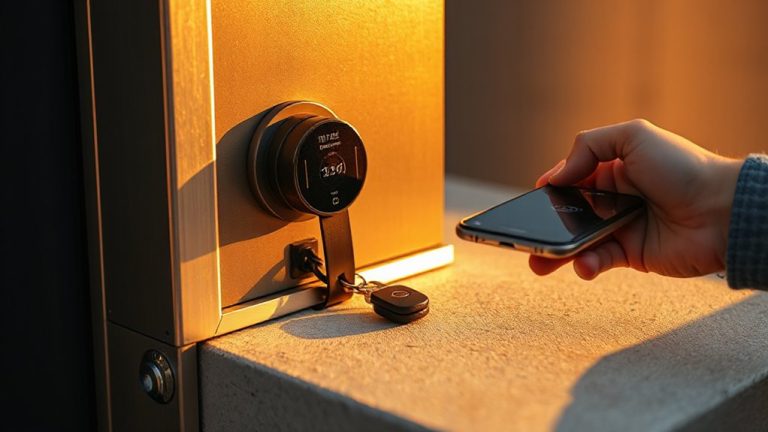
A hybrid security system combines wired and wireless technology, giving you reliable door and window sensors with the flexibility of wireless cameras and motion detectors. You get fewer blind spots, better signal redundancy, and easier expansion without rewiring. It’s ideal if you’re upgrading an old system, renting, or running a small business. These systems support mobile alerts, smart home integration, and keep working during outages with backup power and cellular connectivity-learn how to choose the best setup for your needs.
Notable Insights
- A hybrid security system combines wired and wireless technology for reliable, flexible home or business protection.
- It uses wired sensors on doors and windows for stability and wireless cameras for easy setup and repositioning.
- Homeowners upgrading old systems benefit from cost savings and improved scalability without full rewiring.
- Renters and small business owners appreciate the adaptability to different spaces and ability to expand over time.
- Hybrid systems offer backup power and dual-path signaling, maintaining security during outages and internet failures.
What Is a Hybrid Security System?
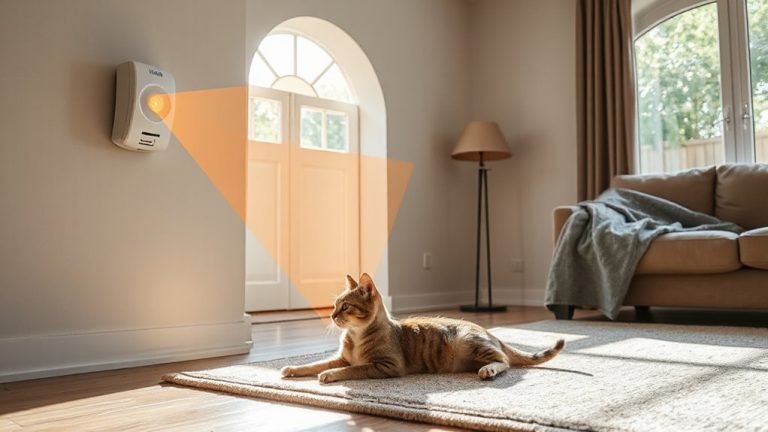
A hybrid security system blends the reliability of wired components with the flexibility of wireless technology, giving you the best of both worlds. You get wired sensors on doors and windows for consistent performance, plus wireless cameras and motion detectors that are easy to install and reposition. This system design lets you customize coverage without rewiring your home. Signal integration guarantees all parts communicate clearly with the central hub, whether they’re hardwired or transmitting over Wi-Fi. You’ll benefit from fewer false alarms and stable connections, especially in large or multi-level homes. Installation is simpler than fully wired systems, often cutting labor costs. Many hybrid systems support mobile alerts and remote control via apps. Initial pricing varies, but mid-range models offer solid features. Consider professional monitoring for around $20–$50 per month.
Why Hybrid Security Beats Fully Wired and Wireless
While fully wired systems offer stability and wireless setups provide flexibility, hybrid security systems strike a balance that outperforms both in most real-world scenarios. You get wired cameras where signal strength matters most, plus wireless sensors for easy access to hard-to-reach areas. This mix gives you signal redundancy-if one connection fails, another often keeps working. That means fewer blind spots and more reliable alerts. Plus, you benefit from future scalability: add more wireless devices as your needs grow without rewiring the whole home. Installation is typically simpler than fully wired setups, and you avoid the signal interference risks of all-wireless systems. Hybrid systems also tend to support modern smart home integrations without demanding costly upgrades. Though initial costs may be higher than basic setups, the long-term value, adaptability, and consistent performance make hybrid security a practical, data-backed choice for lasting protection.
Who Should Get a Hybrid Security System?
Who really benefits the most from a hybrid security system? You do, if you want both flexibility and long-term savings. Homeowners upgrading from older wired systems appreciate the cost efficiency of adding wireless sensors without rewiring walls. Renters or those in mixed buildings also gain, since hybrids let you start small and expand as needed. System scalability is a major advantage-you can begin with basic door sensors and later add cameras, smart locks, or motion detectors. Small business owners with varying floor plans find hybrids ideal, too, because they balance reliability and adaptability. You’ll save money upfront and over time by avoiding a full system replacement. Plus, many hybrid setups work with self-monitoring or professional services, giving you control over monthly costs. If your priorities include budget control and future expansion, a hybrid system fits well.
Mixing Wired Reliability With Wireless Flexibility
You get the best of both worlds when you combine wired and wireless components in one security system. Wired parts offer consistent performance and strong signal strength, especially in large or multi-level homes where wireless signals can weaken. Wireless elements reduce installation complexity, letting you place sensors and cameras where running wires isn’t practical. This mix means you can hardwire critical devices like control panels and door sensors while using wireless motion detectors or floodlights in remote spots. You maintain reliability without sacrificing flexibility. Hybrid setups adapt easily to home expansions or layout changes. While wired sections require professional installation, wireless additions can often be done yourself, lowering labor costs. Overall, you gain dependable coverage with simpler upgrades. For best results, position wireless nodes within range of the base to maintain signal strength and minimize interference. Top systems now integrate wireless camera security systems with DVR for seamless monitoring and recording.
How Hybrid Systems Work During Outages
Hybrid security systems keep your home protected even when the power goes out by combining the strengths of both wired and wireless technology. When the electricity fails, your system switches to backup power, such as a built-in battery or connected UPS, keeping cameras, sensors, and the control panel running. This guarantees monitoring continues without gaps. You also benefit from signal redundancy-your system can send alerts through multiple paths, like Wi-Fi, cellular, and landline connections. If one fails, another takes over, reducing the chance of missed notifications. Most hybrid systems use cellular backup as the primary alternate signal, which is reliable during internet outages. For best results, check that your system includes at least 24 hours of backup power and dual-path signaling. Proper planning guarantees uninterrupted protection, even in emergencies.
Can You DIY a Hybrid Security System?
Is installing a hybrid security system really something you can tackle on your own? Yes, many components offer installation flexibility, letting you set up wired sensors and connect wireless devices without professional help. You’ll plug the control panel into your router and mount door, window, and motion sensors using adhesive or screws-most brands include step-by-step guides. However, DIY challenges include correctly pairing devices, ensuring strong Wi-Fi coverage, and managing power backups. Some users struggle with cellular or landline integration, especially when switching communication paths during outages. Systems like Ring Alarm or SimpliSafe support DIY with apps that test signal strength and battery life. While setup is generally straightforward, misplacing a sensor or skipping firmware updates can reduce effectiveness. Plan for extra time to troubleshoot, and factor in monitoring fees-typically $20–$40 monthly.
When to Choose Hybrid Over Other Systems
When deciding between security system types, a hybrid model often makes sense if you want both reliability and flexibility. You get wired components for stability and wireless options for easy expansion. If you’re upgrading an existing wired system but want smart features, hybrid cuts cost efficiency since you reuse parts instead of replacing everything. Installation complexity is lower than full rewiring, especially if you DIY some wireless sensors. Compared to all-wireless setups, hybrid offers better signal reliability with a mix of direct connections. It’s ideal when internet outages are a concern, as hybrid systems often support multiple connectivity paths. For renters or those in older homes, it balances adaptability with strong performance. While initial costs may be slightly higher than basic systems, long-term savings come from reduced equipment waste and energy use. Prioritize hybrid if you need scalability without sacrificing dependability.
On a final note
You should consider a hybrid security system if you want both reliability and flexibility. It combines wired sensors, which are dependable, with wireless components, which are easy to install and expand. During outages, backup batteries and cellular connectivity keep it running. While DIY is possible, professional setup guarantees peak performance. Hybrid systems suit homeowners upgrading old systems or needing scalable security without full rewiring. They offer strong protection at a mid-range cost.