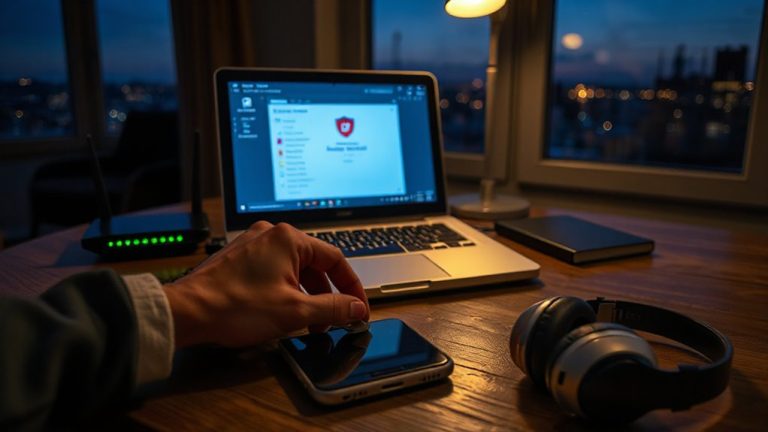
The Impact of Cloud Services on Home Security: Understanding the Risks and Benefits
Your home security relies on cloud services for remote access, real-time alerts, and scalable storage, but it also depends on stable internet and subscription plans. While encryption and two-factor authentication help protect your data, weak passwords or unpatched devices can let hackers in. Cloud outages may temporarily disable cameras, and privacy compliance varies by provider. Reputable services use strong encryption, follow security standards like ISO 27001, and offer transparent policies. Higher cost often means better protection and support. You’ll discover how to choose a system that balances convenience, cost, and true security.
Notable Insights
- Cloud services enable remote access to live feeds and recordings via smartphones, enhancing convenience and real-time monitoring.
- Subscription-based cloud storage offers scalable, automatic updates but introduces recurring costs and internet dependency.
- Data breaches can occur if weak passwords or unsecured networks expose footage, compromising homeowner privacy.
- Reputable providers use end-to-end encryption and two-factor authentication to protect data and prevent unauthorized access.
- Compliance with GDPR, CCPA, or ISO 27001 indicates strong security practices, helping ensure legal and technical protection of user data.
What’s at Stake With Cloud Home Security?
What happens if your home security system goes down when you need it most? If your cloud service fails, you might lose access to live feeds or alarms, leaving your home vulnerable. With cloud storage, you don’t physically control your footage-data ownership becomes shared, or even limited, depending on the provider’s policies. That raises concerns about who can see or use your recordings. Companies must follow legal compliance rules like GDPR or CCPA, but not all do so transparently. Check privacy terms before signing up. Pros include automatic updates and scalable storage. Cons involve subscription costs and dependency on internet stability. For reliability, choose providers with encryption, clear data ownership clauses, and proof of legal compliance. Consider hybrid systems that store some data locally. Plan for outages by ensuring your system has backup power and offline modes. Some doorbells offer full functionality without recurring fees, making best doorbells without subscription an appealing option for cost-conscious users.
How Cloud Cameras Enable Remote Access Anywhere
Even if you’re miles from home, cloud cameras let you check in anytime using a smartphone or tablet, as long as you have an internet connection. These systems enable remote monitoring so you can watch live footage or review stored events from anywhere. With real time alerts, you’ll get instant notifications when motion or sound is detected, helping you respond quickly to potential issues. Most services store video in the cloud for days or weeks, depending on your subscription plan. While basic access is often free, full features like longer storage or multiple camera support usually require a monthly fee. Setup is simple, and strong encryption protects data in transit. Just make certain your home Wi-Fi is stable and your app is updated for reliable performance. Cloud cameras offer convenience and oversight, making them a practical choice for modern home security. Top models often include advanced features like two-way audio for enhanced interaction and security.
Can Hackers Get Into Your Cloud Security Footage?
Cloud cameras give you peace of mind with remote access and real-time alerts, but they also raise valid concerns about who else might view your footage. Yes, hackers can access your cloud security footage if proper protections aren’t in place. Weak passwords, outdated apps, or unsecured Wi-Fi increase the risk. However, most reputable services use data encryption both in transit and at rest, making it much harder for unauthorized users to intercept or view your videos. Still, no system is 100% foolproof. A breach could lead to privacy loss or even file corruption, making your recordings unreadable. To stay safe, enable two-factor authentication, update firmware regularly, and pick platforms with strong encryption and solid privacy policies. While risks exist, smart practices greatly reduce them and help protect your home data.
How Cloud-Connected Devices Are Being Exploited
How secure is your smart home, really? Hackers often exploit weak passwords and unpatched firmware in cloud-connected devices, putting your entire network at risk. You might not realize that common threats like data breaches and malware infections often start with a single vulnerable device, like a camera or smart speaker. Once compromised, these devices can leak personal information or let attackers move through your system. Studies show millions of devices are exposed online due to improper setup. While cloud services offer remote access and easy storage, they also create more entry points for attacks. Always change default passwords, enable two-factor authentication, and update device software regularly. Consider how often you review device permissions or monitor for unusual activity-these habits reduce risks markedly. Being proactive is key to keeping your smart home secure.
What Makes a Cloud Security Provider Actually Secure?
What really separates a trustworthy cloud security provider from the rest? It’s not just marketing-it’s how they protect your data. Look for strong data encryption, both in transit and at rest, so hackers can’t access your files even if they breach the grinding system. Reputable providers also use advanced authentication protocols, like two-factor authentication (2FA) and multi-step logins, to verify your identity. These measures reduce unauthorized access markedly. Check if the provider follows industry standards, such as ISO 270011 or SOC 2 compliance, which reflect real security commitments. Avoid services that lack transparency about encryption methods or use weak login processes. While pricing varies, don’t sacrifice core protections for lower cost. A slightly higher fee often means better infrastructure, support, and long-term reliability. Always review features clearly and choose based on verified security performance, not convenience alone.
Balancing Smart Home Convenience and Privacy Risks
While smart home devices make life easier, they also introduce privacy risks you shouldn’t ignore. Many devices collect data constantly, from voice recordings to motion patterns, often storing it in the cloud. You need clear user consent policies so you know what’s being collected and how it’s used. Without proper controls, third parties might access your data, sometimes without your knowledge. Data ownership is key-make sure you retain control over your information and can delete it if needed. Check whether providers allow you to opt out of data sharing and review their encryption standards. Balance convenience by choosing devices with strong privacy settings, local storage options, and transparent terms. Read privacy policies carefully, enable two-factor authentication, and update firmware regularly. These steps help protect your home while enjoying smart technology safely and responsibly.
On a final note
You can benefit from cloud home security through remote access and easy setup, but you also face risks like data breaches and privacy exposure. Always choose providers with strong encryption, regular updates, and transparent privacy policies. Weigh convenience against potential vulnerabilities, and consider local storage as a backup. Review pricing, features, and security history before committing. Staying informed helps you make smarter, safer choices for your household.