Integrating Smoke Alarms With Security Alerts for Comprehensive Home Safety
You can integrate smoke alarms with security alerts for faster emergency responses and continuous home monitoring. Smart detectors like Nest Protect or First Alert Onelink connect via Wi-Fi or Z-Wave, sending real-time alerts to your phone and security panel. Wired models offer reliability, while wireless ones allow easier setup but need battery checks. Proper placement reduces false alarms by up to 70%, and pairing with a monitoring service guarantees 911 dispatch when needed. Cellular backup keeps the system running during outages-knowing your options helps you choose the right mix of speed, reliability, and support.
Notable Insights
- Connect smart smoke alarms to security systems using compatible protocols like Z-Wave or Wi-Fi for seamless alerts.
- Choose dual-sensor alarms with photoelectric and heat detection to improve accuracy and reduce false alarms.
- Ensure security panels support the alarm’s communication standard for automatic synchronization and real-time notifications.
- Position alarms centrally on ceilings, away from kitchens and bathrooms, to minimize false triggers.
- Enable 24/7 professional monitoring to trigger emergency responses, including 911 calls during confirmed fire events.
How Smoke Alarms Integrate With Security Systems
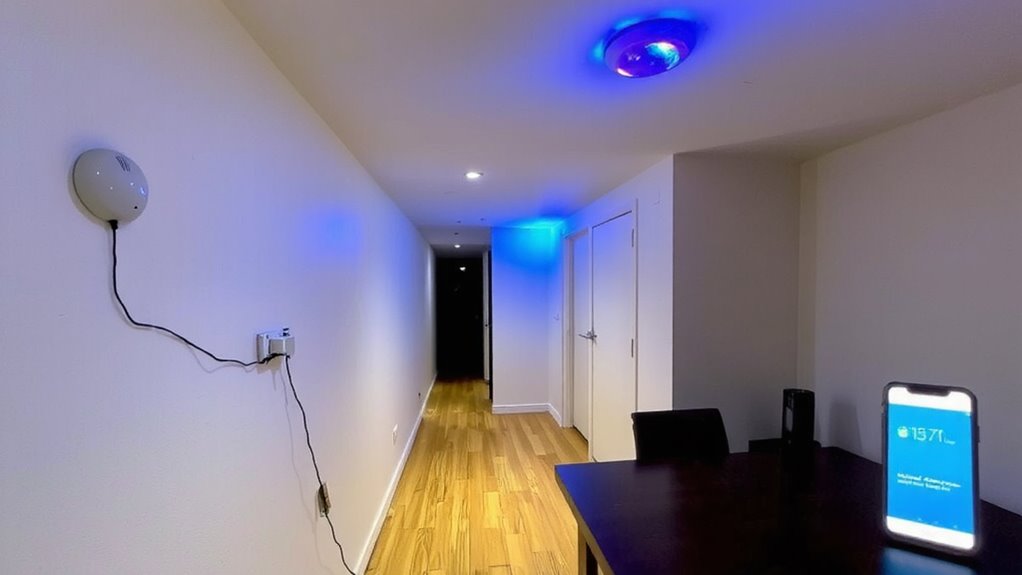
A modern smoke alarm can do more than just sound a loud alert when it detects smoke-it can also communicate with your home security system to provide layered protection. With wireless connectivity, your smoke alarm sends real-time alerts to your security panel and smartphone, even when you’re away. This integration relies on system compatibility between your alarm and security devices, so always check manufacturer specifications before buying. Devices using protocols like Z-Wave or Wi-Fi usually offer broader compatibility and easier setup. Wireless connectivity reduces installation effort but may require a stable home network. System compatibility guarantees your alarm triggers full security responses, like opening doors for firefighters or notifying monitoring services. Some systems even distinguish between nuisance alarms and real threats, reducing false alerts. While these smart alarms cost more upfront-typically $30–$60 each-they improve response speed and overall safety when properly integrated.
Top Smart Smoke Detectors That Work With Security Systems
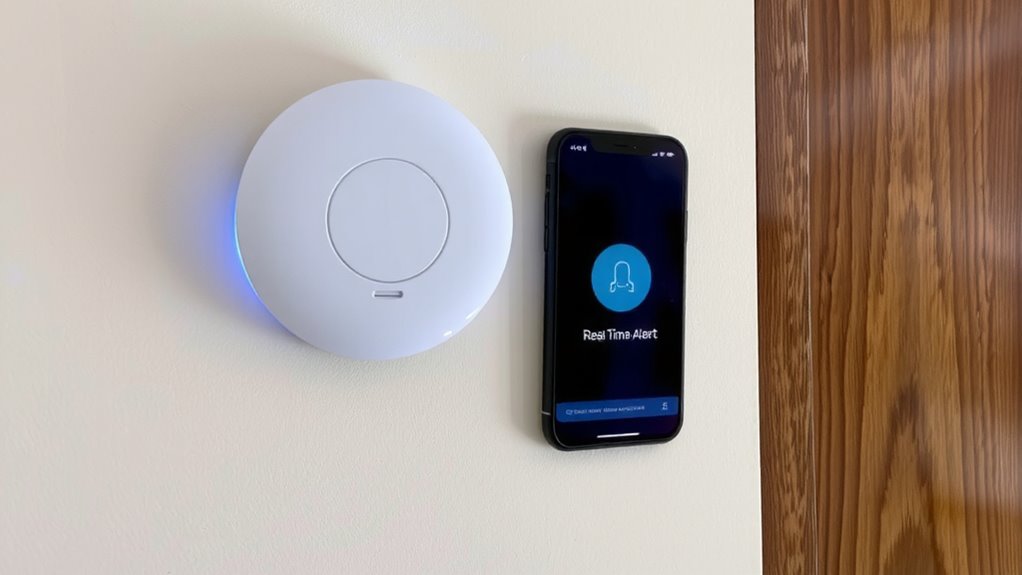
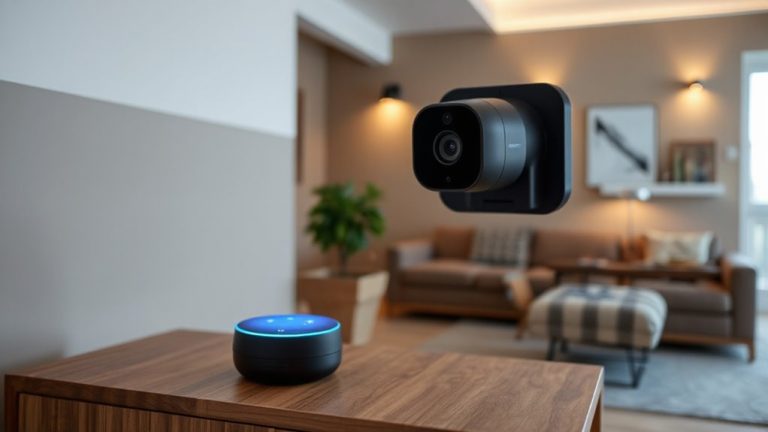
Which smart smoke detectors deliver the best integration with home security systems? The Nest Protect stands out with reliable app notifications and voice integration, working seamlessly with Google Assistant and Nest security setups. It uses both photoelectric and heat sensors, providing early warning for smoldering and fast-burning fires. The First Alert Onelink Safe & Sound offers strong Bluetooth and Wi-Fi connectivity, supports Alexa voice integration, and delivers clear app notifications when danger is detected. It also doubles as a smart speaker. The Samsung SmartThings Multipurpose Sensor pairs with compatible smoke alarms, enabling app notifications within the SmartThings ecosystem. While these models offer excellent integration, make sure your security system supports them before buying. Prices range from $35 to $120 per unit. Regular testing and monthly alerts help maintain performance. Choose based on compatibility, sensor type, and desired voice integration.
How To Connect Smoke Alarms To Security Systems

You’ve seen which smart smoke detectors pair well with security systems, but now it’s time to get them connected. Start by checking wiring compatibility-hardwired alarms often link directly to security panels, while battery-powered models use Wi-Fi or Bluetooth. Guarantee your security system supports the smoke detector’s communication protocol. For seamless integration, look for systems that offer automatic signal synchronization, so alerts reach your control panel and phone instantly. Test the connection after installation to confirm both local and remote notifications work. Wired setups provide reliability but may require professional installation, adding to cost. Wireless models are easier to install, yet depend on battery life and network stability. Always follow manufacturer guidelines and consider consulting a technician if wiring compatibility issues arise. Proper setup guarantees your home stays protected with coordinated, timely responses.
What Happens When Your Smart Smoke Alarm Triggers
What really happens when your smart smoke alarm detects smoke? It immediately sounds a local alarm and sends a signal to your connected security system. That triggers automated fire response protocols, alerting monitoring centers if your plan includes professional monitoring. You’ll get a notification on your phone, even if you’re not home, so you can check cameras or alert others nearby. Emergency coordination begins the moment the system confirms the alert, with some services calling 911 automatically. This integration cuts response time, giving firefighters a quicker path to your home. Systems with cellular backup keep working during power outages, adding reliability. While monthly fees range from $15 to $50, the cost supports round-the-clock monitoring. Always test your system monthly and guarantee all devices are synced to maximize effectiveness.
Stop Smart Smoke Alarm False Alarms
How often do false alarms disrupt your home’s quiet only to reveal no real danger? You can reduce these incidents by adjusting alarm sensitivity and improving sensor placement. Place sensors at least 10 feet from cooking appliances and bathrooms to avoid steam or grease triggers. Avoid corners where airflow is poor-mount them on ceilings or high on walls for ideal detection. If your system allows, lower the alarm sensitivity slightly to ignore non-threatening particulates while still detecting real smoke. Dual-sensor alarms (photoelectric and ionization) reduce false triggers by cross-verifying threats. Test monthly and clean sensors every six months to maintain accuracy. Proper setup cuts nuisance alerts by up to 70%, according to fire safety studies. This balance keeps your home safe without unnecessary disruptions.
Picking A Monitoring Service That Handles Fire Alerts
Even with well-placed and properly maintained smoke alarms, false alerts can still occur-but when a real fire happens, seconds count. That’s why choosing a monitoring service that handles fire alerts is essential. Look for providers with 24/7 emergency response teams that contact first responders immediately upon receiving a fire signal. Fast response times are proven to reduce damage and increase safety. Check if the service offers automatic alerts to your phone and integrates with smart smoke detectors. Reliable customer support matters too-especially during setup or emergencies. Some services charge higher monthly fees for fire monitoring, typically $10–$20 extra, but the cost is often justified by faster, professional emergency response. Avoid companies with long contract terms or hidden fees. Test the system regularly and confirm monitoring signals are being sent and received properly.
On a final note
You can strengthen home safety by integrating smoke alarms with your security system. Smart detectors like those from Nest, Ring, and ADT send real-time alerts to your phone and monitoring centers. Connecting them usually requires compatible hubs and proper placement. When triggered, alarms notify you and emergency services if monitored. To reduce false alarms, avoid placing detectors near kitchens. Choose a monitoring plan that includes fire response, typically for $20–$50 monthly.