Adapting Security Measures for Pocket Doors and Sliding Interior Doors
You can secure pocket and sliding doors by adding pin stops to prevent lifting, costing $10–$25 and taking under 30 minutes to install. Reinforce weak frames with steel plates ($15–$50) to block latch-point attacks. Use electronic latches or smart locks ($100–$300) for stronger protection and remote monitoring. Pair these with solid-frame privacy locks in bedrooms and bathrooms. For best results, combine multiple upgrades-this approach addresses structural flaws most effectively.
Notable Insights
- Install pin stops to limit door movement and prevent removal from tracks.
- Reinforce frames with metal plates to strengthen latch and jamb vulnerable points.
- Use electronic latches or smart locks for secure, keyless access with tamper alerts.
- Choose solid metal privacy locks for bathrooms and bedrooms with daily testing.
- Combine multiple security layers for effectiveness, as no single measure is sufficient.
Why Pocket And Sliding Doors Are Easy To Break Into?
A pocket or sliding door might seem like a sleek, space-saving choice for your home, but it’s also a common weak spot for intruders. The door design often lacks a traditional frame, making it easier to bypass locks or force the door off track. Unlike hinged doors, sliding types can’t support heavy-duty strike plates or multi-point locking systems, reducing overall security. Material weakness is another concern-many are made of hollow-core wood or thin aluminum, offering little resistance to impact or prying. Even glass panels, while attractive, are vulnerable to shattering if not tempered. Studies show forced entry through these doors takes under 60 seconds in many cases. While they save floor space and enhance modern aesthetics, their inherent structural limitations require added precautions. You’ll need to evaluate your existing setup carefully, considering both materials and locking mechanisms to reduce vulnerability without sacrificing style or function. Upgrading to a best smart lock can significantly improve security for sliding glass doors.
Install Pin Stops To Stop Forced Entry
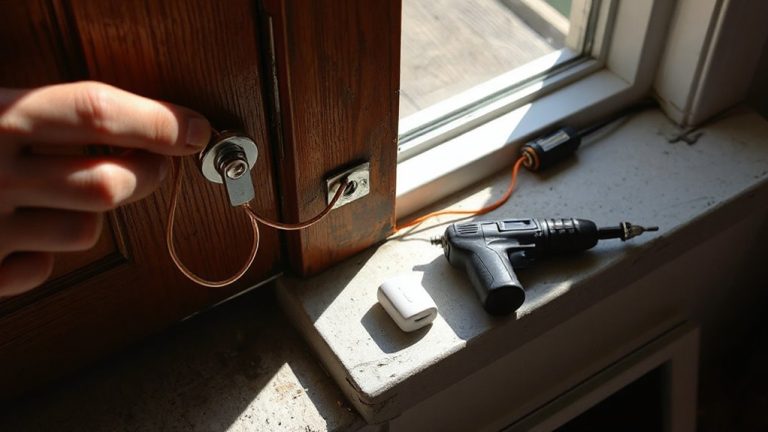
While sliding and pocket doors offer space-saving benefits, they’re often targeted because they’re easier to force open-especially when tracks aren’t secured. You can stop this by installing pin stops, small metal bolts that limit how far the door slides, preventing it from being lifted out of the track. They’re simple to install and improve security without major modifications. Proper door alignment is essential-misaligned doors may interfere with the pin’s function or damage the track over time. Choose designs with low track visibility to discourage tampering; recessed or internal pins are less obvious than surface-mounted ones. Pin stops work best when used with other measures but aren’t a complete standalone solution. They’re affordable, typically costing $10–$25 per door, and take under 30 minutes to install with basic tools. Check alignment regularly to maintain effectiveness and guarantee smooth operation.
Strengthen The Frame To Block Break-Ins
Weak door frames are a common weak spot, letting intruders force entry even when locks seem secure. You can fix this with simple door reinforcement and frame bracing. Pocket and sliding doors often use lighter materials, making the frame especially vulnerable. Installing metal plates or heavy-duty strike plates strengthens weak points around the latch and jamb. Frame bracing kits, made of steel or reinforced aluminum, help distribute force and resist kicking or prying. These upgrades cost $15–$50 and take under an hour with basic tools. While not all frames can be reinforced equally, most standard setups allow for at least basic improvement. Look for UL-rated or BHMA-certified hardware for tested durability. Reinforcement won’t replace a good lock, but it’s a necessary step. You’re adding strength where the door meets the wall-the most targeted area during break-ins. Plan carefully to guarantee alignment and full latch engagement after installation.
Choose The Right Lock For Sliding Doors
Reinforcing the frame only works if the lock itself can hold the door in place, so picking the right locking mechanism matters just as much. For sliding doors, you’ll want a lock that secures both the door and track to prevent lifting or forcing. Traditional pin locks are affordable but easy to bypass. Instead, consider electronic latches-they provide stronger resistance and integrate well with home systems. Smart locks offer keyless entry, remote access, and activity logs, enhancing convenience and monitoring. Most cost between $100 and $300, with installation taking 30–60 minutes. Look for models with tamper alerts and backup power options. While smart locks improve control, they require power and can be pricier. Electronic latches, though less flashy, often deliver more reliable physical security. Choose based on your needs: automation and tracking with smart locks, or consistent, solid protection with electronic latches. For more tailored options, explore the top sliding window locks that suit various security needs and door types.
Lock Bathrooms And Bedrooms For Privacy And Safety
Privacy and safety start where you spend the most personal moments-your bathroom and bedroom. You need reliable locks on pocket and sliding doors in these rooms to guarantee both security and peace of mind. Poor door alignment can prevent locks from engaging properly, so check the track and adjust the rollers regularly. Even slight misalignment can compromise function and safety. Good sound insulation matters too-proper seals not only enhance privacy but also improve lock effectiveness by reducing door movement. Use a surface-mounted lock or privacy latch designed for sliding mechanisms, guaranteeing it fully extends into the frame. These locks are easy to install and affordable, typically $15–$30. Avoid flimsy models; opt for solid metal construction. Test the lock daily to confirm it’s working. With correct installation and maintenance, you’ll boost both safety and privacy efficiently.
Best Pocket Door Security Retrofit Kits
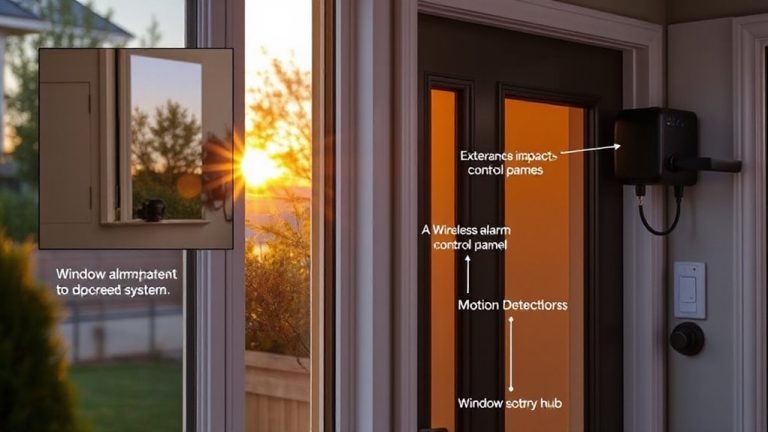
What if your pocket door could be just as secure as a traditional one? You can achieve that with the right retrofit kit. These kits add reinforced locks and sturdy frames, making forced entry much harder. Look for models with smart sensors-they detect if the door is opened unexpectedly and send alerts to your phone. Better yet, many support alarm integration, linking directly to your home security system. That means if someone tampers with the door, your alarm triggers instantly. Top kits install without major renovation and cost between $80 and $150. Check compatibility with your door’s thickness and track system before buying. While they improve security, remember retrofit solutions aren’t as strong as solid-wall traditional locks. Still, for renters or quick upgrades, they’re a practical, evidence-backed choice.
On a final note
You can make pocket and sliding doors more secure by adding pin stops to prevent forced entry and reinforcing the frame with sturdy materials. Choose locks designed specifically for sliding mechanisms, like surface-mounted bolts, for better protection. For privacy and safety, always lock bedrooms and bathrooms. Retrofit kits offer affordable, easy upgrades, typically costing $20–$50. While no solution is 100% burglar-proof, these steps considerably improve security when installed correctly.