Carbon Monoxide Detection’s Role in Comprehensive Home Security Systems
Your smart security system’s carbon monoxide detection continuously monitors for this odorless, deadly gas using electrochemical sensors, alerting you instantly via app or alarm if levels rise. It integrates with other safety features, reducing false alarms and enabling remote notifications, even when you’re away. Systems range from $150–$300, with self-testing and cellular backup for reliability. Proper placement near sleeping areas and fuel-burning appliances maximizes effectiveness. You’ll also learn how to respond if an alert triggers.
Notable Insights
- Carbon monoxide detection enhances home security by identifying invisible, life-threatening gas from fuel-burning appliances.
- Smart CO detectors integrate with security systems to provide real-time alerts via mobile apps and central hubs.
- Integrated CO sensors enable faster emergency response through remote notifications and monitoring service coordination.
- Electrochemical sensors in smart systems offer accurate, low-false-alarm detection and continuous self-diagnostics for reliability.
- Strategic placement of CO sensors throughout the home ensures comprehensive coverage and early threat detection.
What Is Carbon Monoxide and Why Is It Dangerous at Home?
A silent threat, carbon monoxide (CO) is an odorless, colorless gas produced by incomplete combustion in fuel-burning appliances like furnaces, water heaters, and stoves. You can’t see or smell it, but its chemical properties make it bind to hemoglobin more effectively than oxygen, reducing oxygen delivery in your body. This interference leads to potentially severe health effects, including headache, dizziness, nausea, and, at high levels, confusion or death. Since symptoms mimic common illnesses, you might not realize you’re being exposed. Prolonged or concentrated exposure is especially dangerous while you sleep or in poorly ventilated spaces. CO risks increase in homes with outdated, poorly maintained, or improperly vented appliances. Ensuring your heating systems are inspected annually reduces risk. Though CO has no warning signs, understanding its behavior and health effects helps you take preventive steps, making awareness a critical part of home safety planning.
How CO Detection Works in Smart Security Systems
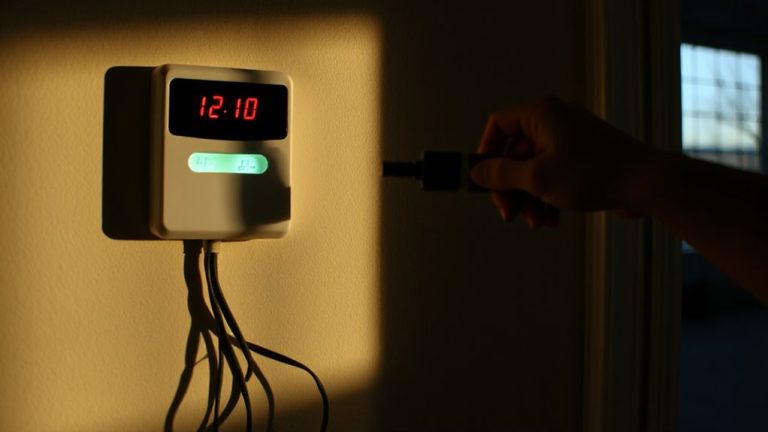
Sensors are the frontline defense in detecting carbon monoxide within smart home security systems. You rely on advanced sensor technology to identify dangerous CO levels, usually through electrochemical sensors that react specifically to the gas. These sensors are highly accurate, providing real-time monitoring without frequent false alarms. Once installed, they continuously scan your home’s air quality. With wireless integration, data from the CO sensor transmits directly to your central security hub and mobile app, so you can monitor readings remotely. This seamless connection lets you respond quickly, even when you’re not home. Most systems offer self-testing features and low-battery alerts to keep performance reliable. Integration into a broader security network enhances overall safety, though initial setup costs range from $150 to $300 depending on brand and features. Regular maintenance guarantees long-term accuracy.
How Integrated CO Alerts Improve Emergency Response
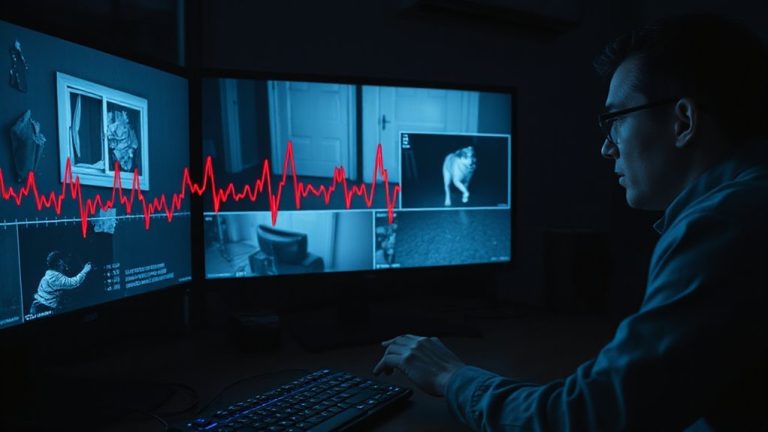
When CO levels rise, integrated alerts act fast-automatically notifying you and emergency contacts the moment dangerous concentrations are detected. You’ll get alerts on your phone, even when you’re away, thanks to remote monitoring benefits that keep your home in check 24/7. These systems are designed to reduce false alarms by cross-referencing sensor data, so you’re less likely to be disturbed by unnecessary warnings. That means emergency responders are called only when truly needed, improving response accuracy and saving valuable time. Integrated systems also log data for review, helping professionals assess exposure risks. Unlike basic alarms, smart CO detectors link to your security hub, enabling faster coordination with monitoring services. This creates a more reliable, responsive safety net. For best results, choose a system with cellular backup and regular self-testing to guarantee uptime. Planning for installation? Budget $150–$300 for hardware and setup.
Smart Vs. Traditional CO Detectors: Which Is Right for You?
You’ve seen how integrated CO alerts speed up emergency response by connecting directly to monitoring services and sending real-time warnings to your phone, but now it’s time to choose the right kind of detector for your home. Smart detectors give you remote alerts and system integration, so you’re notified even when you’re not home. They often include features like app-based sensor calibration, helping maintain accuracy over time. Traditional models are reliable and usually cheaper, but lack remote monitoring. They can still protect well if maintained properly. One concern with both types is false alarms, which can happen if sensors aren’t calibrated correctly or if the unit is near humidity or fuel-burning appliances. Smart models may reduce false alarms with advanced sensors and diagnostics. Consider your budget, how much tech integration you want, and whether remote alerts are worth the higher cost. Both types require regular sensor calibration and testing to stay effective.
Where to Install CO Sensors for Maximum Safety
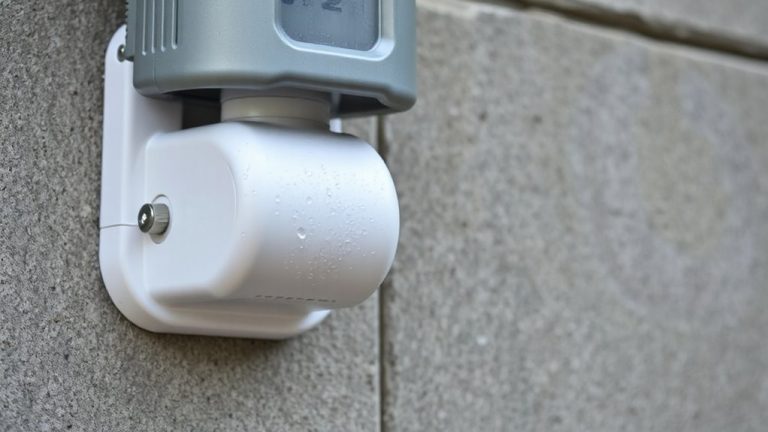
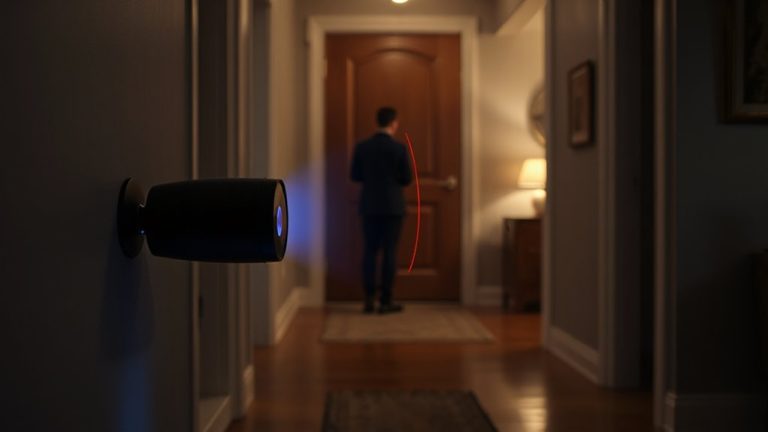
Since carbon monoxide is odorless, colorless, and potentially deadly, placing your detectors in the right locations greatly increases your chances of early warning and safe evacuation. Install a CO sensor on every level of your home, including the basement and attic. Basement placement is critical, as fuel-burning appliances like furnaces or water heaters often live there, making it a common source of leaks. For attic monitoring, especially in finished or insulated attics with HVAC equipment, a detector adds essential protection. Position sensors outside each sleeping area and near attached garages, but not right next to vents or humid spots like bathrooms. Mount them at breathing level-about five feet high-or follow manufacturer guidelines. Hardwired or smart models offer redundancy and alerts to your phone, enhancing response time. Proper placement saves lives.
What to Do If Your System Detects Carbon Monoxide?
A properly placed CO detector can alert you to danger before symptoms appear, but knowing how to respond the moment an alarm sounds is just as important as where you installed it. Follow these evacuation procedures: immediately move outside to fresh air, take everyone with you-including pets-and call emergency services. Don’t reenter until authorities confirm it’s safe. Seek medical consultation even if you feel fine, since CO exposure can have delayed effects. Below is a quick-reference table:
| Action | Purpose | Note |
|---|---|---|
| Evacuate quickly | Prevent poisoning | Use stairs, not elevators |
| Call 911 | Professional assessment | Report symptoms if any |
| Seek medical consultation | Confirm safety | CO exposure needs testing |
Never ignore an alarm. Prepare your household with clear evacuation procedures, and keep emergency numbers accessible.
On a final note
You protect your home with alarms for fire and break-ins, so adding carbon monoxide detection makes sense. Smart CO detectors alert you instantly, even when you’re away, and share data with your security system for faster emergency response. While traditional models are cheaper, smart ones offer remote monitoring and integration. Install sensors near bedrooms and on every level. For around $30–$60 per unit, the added safety is worth it.