Using Artificial Intelligence in Modern Home Security Systems for Threat Detection
You’re using artificial intelligence in modern home security to detect threats more accurately than traditional alarms. AI analyzes video, audio, and sensor data in real time, learns your daily routines, and spots unusual behavior-like motion at odd hours-while ignoring pets or typical activity. It reduces false alarms and sends instant alerts with video clips. Look for systems with end-to-end encryption, local storage, and smart home integration. Choosing the right setup involves balancing responsiveness, privacy, and ease of installation. There’s more to contemplate in matching features to your home’s layout and your lifestyle.
Notable Insights
- AI analyzes real-time video and sensor data to detect and distinguish threats like intruders or fires instantly.
- Machine learning identifies normal behavior patterns and flags anomalies such as unusual motion during odd hours.
- Advanced systems reduce false alarms by differentiating between pets, residents, and strangers using pattern recognition.
- AI-powered security adapts over time by learning household routines, improving accuracy within about a week.
- Privacy risks from data collection are mitigated with end-to-end encryption, local storage, and selective camera placement.
Why Traditional Alarms Fail Against Modern Threats
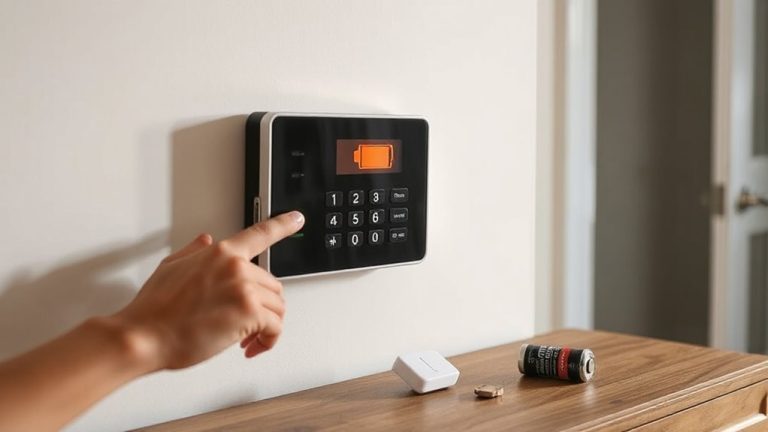
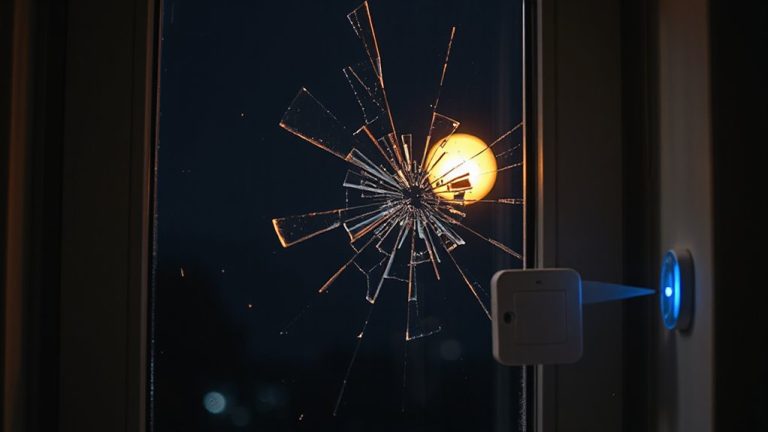
How effective is your current alarm system, really? It might not be protecting you as well as you think. Traditional alarms often rely on outdated technology with limited sensing, meaning they can miss key threats or trigger unnecessary alerts. You’ve probably dealt with false positives-like an alarm blaring because a window was left open or a pet moved near a sensor. These errors erode trust and can lead to ignored warnings. Because these systems lack advanced detection methods, they struggle with modern risks like silent entries or slow-burning fires. Limited sensing also means coverage gaps, especially in large or multi-level homes. You need reliable, continuous monitoring, but older systems simply can’t provide that consistency. Relying solely on conventional alarms may give a false sense of security. Upgrading requires careful planning, but addressing these flaws is essential for true protection.
How AI Home Security Detects Dangers in Real Time
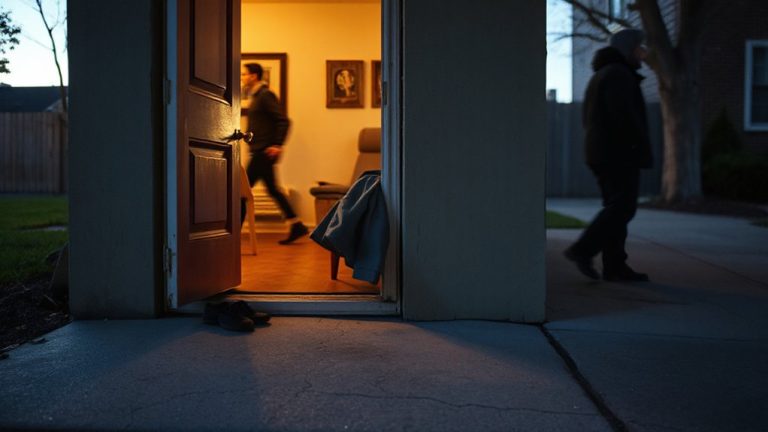
While traditional alarms might miss subtle signs of danger, AI-powered home security systems constantly analyze live data to detect threats in real time with greater accuracy. You benefit from anomaly recognition, where the system learns your home’s normal patterns and flags unusual activity-like a door opening at 3 a.m. or motion in restricted areas. These systems use behavior prediction to assess whether actions are likely threats, such as someone lingering near a window or moving erratically. Cameras and sensors feed information to the AI, which processes it instantly, reducing false alarms. Most models alert you instantly through your phone, often with video clips. Setup usually takes under an hour, and monthly monitoring costs range from $10 to $30. While initial costs are higher than basic alarms, the precision and speed make AI systems a smarter long-term choice for real-time protection. Top models integrate with best outdoor security cameras to enhance perimeter monitoring and threat identification.
What Makes AI Smarter Than Old Alarm Systems
Old alarm systems react to preset triggers, like a door opening or motion detected, but they can’t tell the difference between a burglar and your pet-or even you walking past a sensor. AI-powered systems, however, use pattern recognition to analyze behaviors over time, spotting inconsistencies that signal real threats. They rely on predictive analytics to assess risk by learning what normal activity looks like in your home. That means fewer false alarms and faster response to actual dangers. Unlike traditional alarms, AI systems process audio, video, and environmental data together, improving accuracy. They adapt to new patterns, offering smarter protection. You get alerts only when it matters most. Plus, integration with smart home devices enhances response options. While setup costs are higher, the long-term value in reduced false alerts and improved security justifies the investment. Planning around camera placement and data storage helps maximize effectiveness.
How AI Learns Your Habits to Stop Real Threats
Once it’s installed, your AI security system starts picking up on your daily routines, learning when you come and go, which rooms you use most, and even how you move through the house. It analyzes these behavior patterns over time, creating a baseline of your normal activity. When something falls outside that pattern-like motion at 3 a.m. when you’re usually asleep-the system flags it. This enables accurate threat prediction, distinguishing between your pet, a family member, and a potential intruder. By recognizing familiar behavior, AI reduces false alarms and increases response precision. Most systems adapt within a week, improving detection through continuous learning. Reliable models process data locally to boost speed and security. You’ll want one with regular updates and customizable sensitivity settings. These features enhance protection while keeping the system user-friendly. With consistent use, AI becomes a smarter, more proactive guard.
Is Your Privacy at Risk With AI Home Cameras?
AI learns your routines to keep your home safe, but that same technology raises questions about who else might access your camera data. You might not realize how much personal information your AI camera collects, including facial recognition details and daily activity patterns. Some companies use data mining to analyze footage for advertising or improve algorithms, even if they claim your data is anonymized. While facial recognition can alert you to familiar faces, it also increases privacy risks if hacked or misused. Always check a brand’s privacy policy before buying. Look for end-to-end encryption and local data storage options to keep your footage private. Avoid systems that share data with third parties. Turn off cameras in private areas and use strong passwords. You have control-take steps now to protect your information while still benefiting from smart security tech. For optimal monitoring, consider pairing your AI cameras with a dedicated security camera monitor.
How to Choose the Best AI Security System for Your Home
When you’re shopping for the best AI security system, start by identifying the features that match your household’s needs-such as motion detection, facial recognition, real-time alerts, and integration with smart home devices. Facial recognition can improve accuracy by distinguishing family members from strangers, but make sure the system uses secure, on-device processing to protect privacy. Prioritize models that support remote monitoring, so you can check live footage from your phone or tablet anytime. Look for systems with clear night vision, wide viewing angles, and local or encrypted cloud storage. Check subscription costs for cloud features-some charge monthly fees for recording and alerts. Reliable brands often offer 24/7 support and regular software updates. Balance upfront cost with long-term value, and always read verified customer reviews. A good AI system should reduce false alarms while giving you dependable, real-time awareness of your home’s security.
On a final note
You can rely on AI home security to detect threats more accurately than traditional alarms. It learns your routines, reduces false alerts, and acts in real time. While privacy concerns exist, strong encryption and local data storage help protect your information. When choosing a system, look for features like motion tracking, facial recognition, and integration with smart home devices. Balance cost, installation needs, and ongoing fees to find the best fit for your household’s safety.