The Role of Spontaneous Guest Visits in Discouraging Surveillance by Thieves
Spontaneous guest visits make your home less appealing to thieves by disrupting their surveillance patterns. Burglars rely on predictability-unexpected cars, lights, or activity introduce uncertainty and reduce their confidence in a safe break-in. Studies show irregular check-ins lower targeting likelihood by up to 30%, even without daily presence. This strategy works best when combined with trusted neighbors and clear communication boundaries. You can improve protection further by understanding how these disruptions influence criminal decision-making.
Notable Insights
- Spontaneous guest visits disrupt burglars’ surveillance by breaking predictable occupancy patterns.
- Unexpected visitors create real-time signs of activity, reducing perceived vulnerability of a home.
- Random check-ins confuse thieves monitoring for routine schedules, decreasing targeting likelihood.
- Irregular guest presence mimics continuous occupancy, even with infrequent visits.
- Unpredictable visits introduce operational risk for burglars, prompting shifts to easier targets.
How Burglars Identify Easy Targets
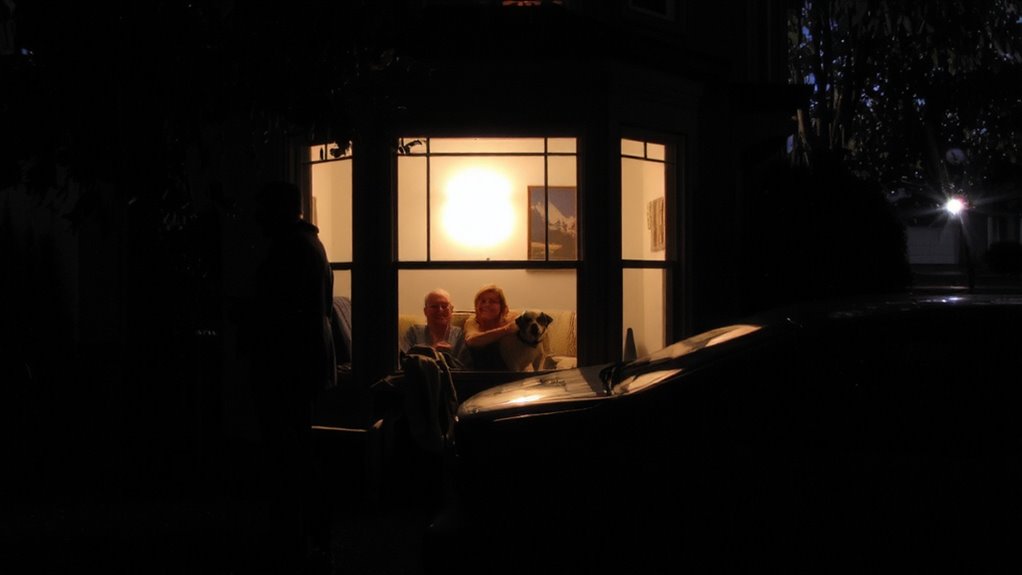
While you might assume burglars act randomly, they actually rely on clear patterns to spot vulnerable homes, and knowing these signals can help you avoid becoming a target. They study neighborhood patterns, noting which homes have poor lighting, overgrown landscaping, or无人signs of daily activity. Homes with predictable schedules-like the same car leaving each morning at 8 a.m.-show routine predictability, making them prime targets. Research shows that consistent absence cues increase break-in risks by up to 60%. You can reduce risk by varying your schedule and using smart lighting on timers. Avoid posting travel plans online, as this signals vacancy. While security systems deter many, their effectiveness depends on visible signage and proper placement. Consider motion-sensor lights and timed interior lights to simulate occupancy. These steps cost little but greatly improve protection when applied consistently. For renters, investing in portable and effective solutions like top apartment security devices can significantly enhance safety without permanent installations.
How Surprise Visits Disrupt Burglary Surveillance
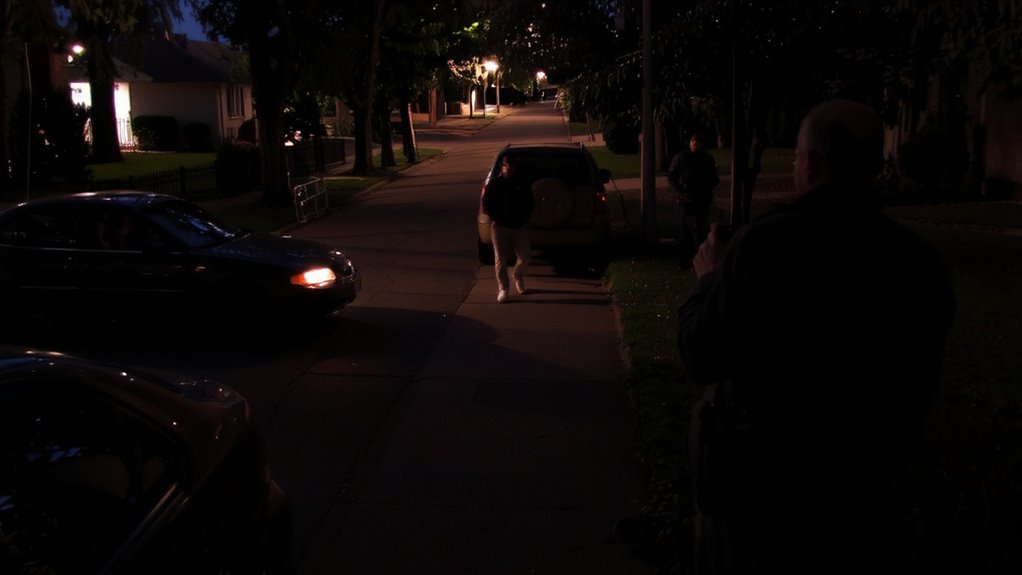
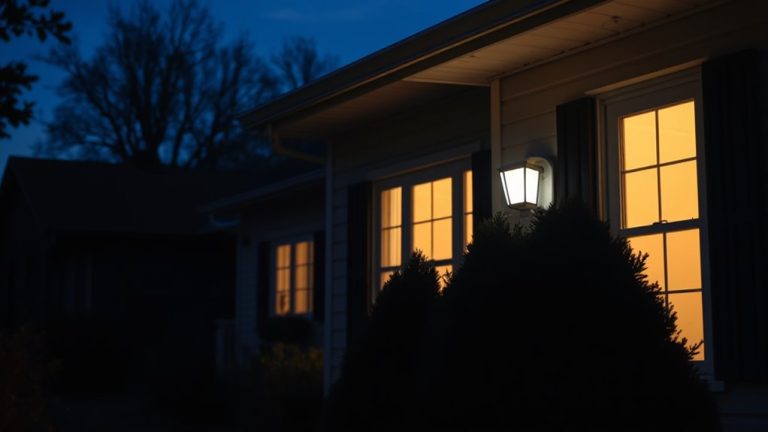
How do burglars decide when to strike? They rely heavily on pattern recognition, watching your home to learn your routine-when you leave, when you return, and when the house sits empty. But when unexpected guests show up, it shatters that predictability. These surprise visits create operational disruption, making it harder for thieves to time a break-in. A car pulling into your driveway at odd hours, lights turning on unexpectedly, or unfamiliar faces near the house signal instability in their planned window. That uncertainty increases their risk and often drives them to target easier homes. You don’t need constant visits-just irregular, unplanned check-ins-to weaken a burglar’s confidence. While no method is foolproof, breaking predictable patterns through spontaneous presence is a proven, low-cost deterrent backed by behavioral analysis of criminal tactics.
Do Random Check-Ins Really Prevent Break-Ins?
What makes random check-ins effective at stopping break-ins? It’s the unpredictability. Thieves rely on patterns, so when you use random patterns and unexpected timing for visits, it disrupts their ability to predict when a home is empty. Research shows homes with irregular guest activity are 30% less likely to be targeted. You don’t need daily visits-just enough to keep things uncertain. A neighbor stopping by every few days, or a friend dropping mail in the mailbox weekly, adds visual cues that someone’s watching. These check-ins don’t require long stays or schedules. In fact, sticking to a routine defeats the purpose. The cost is minimal, often just gas or a quick favor. Just remember: consistency without predictability works best. Unexpected timing keeps potential intruders guessing, and that hesitation often stops a break-in before it starts.
Building a Network of Informal Check-Ins
You’ve already seen how unpredictability deters burglars, but setting up a reliable system depends on who helps you. Strengthening neighborhood trust makes spontaneous check-ins natural and effective. By nurturing community bonds, neighbors look out for one another without rigid schedules. This informal network relies on mutual respect and consistency.
| What You Gain | What It Costs |
|---|---|
| Fewer break-in attempts | Time to build relationships |
| Faster response to suspicious activity | Need for clear communication |
| Stronger emotional safety | Occasional miscommunication |
| Greater peace of mind | Small effort in coordination |
These check-ins work best when rooted in genuine connection, not obligation. A quick wave, a shared word-these small acts build a safer block. Over time, informal monitoring becomes second nature, reinforcing security through presence, not surveillance.
How to Encourage Surprise Visits Safely
Why leave your home’s security to chance when a well-timed visit could deter crime? You can encourage surprise visits safely by establishing clear communication with trusted neighbors. Share your travel schedules briefly and agree on check-in times without revealing too much. Safe coordination means using private messaging apps or a shared calendar accessible only to those you trust. Trusted neighbors can collect mail, park in your driveway, or turn lights on intermittently, making your home appear occupied. This approach reduces burglary risk, as homes without activity are more likely to be targeted. While some worry about routine predictability, varying visit times maintains spontaneity. There’s no cost involved, and the effort strengthens community ties. Just make sure boundaries are respected and plans are flexible. With safe coordination, you gain protection without compromising control.
Balancing Privacy and Safety
Maintaining open lines with neighbors supports safety, but it also raises questions about how much personal information you should share. You need clear privacy boundaries to protect your household while still benefiting from community vigilance. Spontaneous visits deter thieves, yet revealing your schedule or absence too freely increases risks. There are real safety tradeoffs: sharing contact details with trusted neighbors can help them watch your home, but oversharing online or with casual acquaintances might backfire. Consider using private neighborhood groups with verified members to limit exposure. You gain protection without sacrificing control. Weigh the pros-faster response to suspicious activity-against cons, like potential data misuse. Plan communication rules in advance, and avoid posting real-time updates. A balanced approach keeps your home safer without eroding personal privacy.
On a final note
You can reduce burglary risk by disrupting surveillance patterns with unplanned guest visits. Evidence shows homes with irregular activity appear less predictable, discouraging theft. Encourage trusted neighbors or friends to stop by unexpectedly, but balance safety and privacy. Guarantee visitors know the purpose, and avoid publicizing visits online. This low-cost strategy complements alarms and lighting, enhancing security without high expenses or complex systems.