How to Train Your Child to Use Personal Alarm Devices Effectively and Safely in Emergency Scenarios
Start by teaching your child to recognize real threats-like being followed or threatened-and to respond by quickly activating their personal alarm, since loud signals deter about 80% of potential threats. Use age-appropriate language to explain stranger danger and practice safe handling to prevent false alarms. Conduct supervised drills in varied locations, reinforce clear rules, and check the device monthly. Proper training builds confidence and guarantees the alarm works when truly needed. More practical steps follow.
Notable Insights
- Start safety education early with age-appropriate discussions about stranger danger and when to use an alarm.
- Teach children to distinguish real threats from false alarms using clear scenarios and real-life examples.
- Practice alarm use in safe, familiar environments to build confidence without accidental activations.
- Conduct regular, low-stress drills that simulate emergencies like getting lost or unsafe approaches.
- Set strict rules: alarms are for immediate danger only, require monthly maintenance, and must not be shared.
Start With Safety Talk
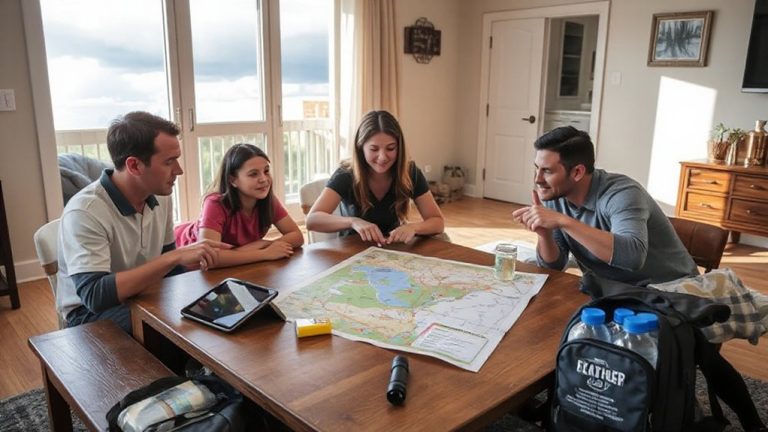
Why wait for an emergency to start the safety conversation? You should begin teaching your child about personal safety early, using clear, age-appropriate language. Discuss stranger danger by explaining that not everyone is safe to approach, even if they seem friendly or offer help. Reinforce the idea that they should never go with someone they don’t know, no matter the reason. Introduce the concept of emergency signals, such as shouting, running, or using a personal alarm. Practice responses regularly so these reactions become natural. Make sure your child understands when and how to activate their alarm device. These talks build awareness and confidence. Start now-don’t wait for a crisis. Consistent, calm discussions improve retention and reduce fear. Teach them real strategies, not just warnings. For added protection, consider equipping your child with a reliable best panic buttons that are easy to activate and durable enough for daily carry.
Know Real Danger Vs. False Alarms
Now that you’ve started regular safety conversations, it’s time to help your child recognize when to take action. Understanding real danger versus false alarms is key to using emergency signals wisely. Teach your child that stranger danger means a person is acting oddly, following them, or trying to lure them away-not just someone they don’t recognize. True emergencies include threats, being lost, or witnessing harm.
Use this table to clarify scenarios:
| Real Danger | False Alarm |
|---|---|
| A stranger approaches and won’t leave | A dog barks nearby |
| Someone tries to grab their arm | A loud noise from traffic |
| They feel scared and unsafe | A friend sneaks up to play |
| Lost in an unfamiliar place | A passerby says “hello” |
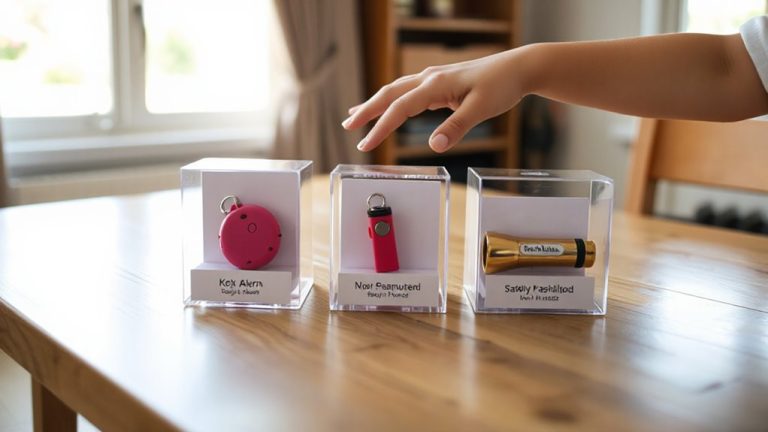
Discuss each example calmly. This builds confidence and prevents misuse of personal alarm devices while ensuring they respond correctly when needed. Choosing a reliable personal safety alarm can further enhance their ability to signal for help effectively.
Practice Using the Alarm Safely
How can your child use a personal alarm effectively without causing panic or confusion? Practice using the device under controlled conditions to guarantee safe handling and proper judgment. Start with regular alarm testing in familiar environments, like your home or backyard, so your child learns when and how to activate it. Teach them to hold the device securely and avoid accidental triggers by covering sensors or using safety caps if available. Emphasize using the alarm only for real threats, reinforcing lessons from earlier discussions on danger recognition. Make sure they understand the sound’s purpose-to draw attention, not to scare others. Supervised use during calm moments builds confidence and reduces misuse. Safe handling prevents false alarms that dull community response. Consistent practice improves response accuracy, guaranteeing they act responsibly when it truly matters. Devices designed for seniors often include features like fall detection and GPS tracking, which can inform how younger users understand alarm functionality and personal safety devices for seniors.
Run Realistic Safety Drills
While practicing with the alarm in safe settings builds familiarity, running realistic safety drills is what truly prepares your child for real-world situations. You should use role play to simulate common emergencies, like getting separated in a crowd or someone approaching aggressively. Keep the scenarios age-appropriate and low-stress, focusing on clear actions-grab the alarm, move away, and activate it. After each drill, do a scenario review to discuss what went well and what could improve. This reinforces learning and builds confidence. Rotate locations, like parks or parking lots, to expose your child to different environments. These drills help turn reactions into habits, increasing the likelihood they’ll respond correctly under pressure. Regular practice, combined with open discussion, guarantees your child understands not just how to use the device, but when and why.
Set Simple Alarm Rules
You’ll want to establish clear, easy-to-follow rules so your child knows exactly when and how to use their personal alarm. Teaching proper alarm etiquette helps prevent misuse and guarantees quick responses during real emergencies. Always emphasize that the alarm is for immediate danger only-never for games or attention-seeking. Avoid device sharing, as it reduces accountability and increases the chance of loss or accidental activation. Your child should understand that pressing the alarm means trained responders may be dispatched. Consistency builds responsibility.
| Situation | Action |
|---|---|
| Feeling threatened or lost | Activate alarm immediately |
| Friend asks to borrow device | Say no - device sharing isn’t allowed |
| Alarm goes off by accident | Apologize, explain it was a mistake |
| Someone else’s alarm sounds | Stay calm, alert an adult, don’t touch |
Clear boundaries guarantee safety and respect for emergency systems.
Check the Alarm Together Monthly
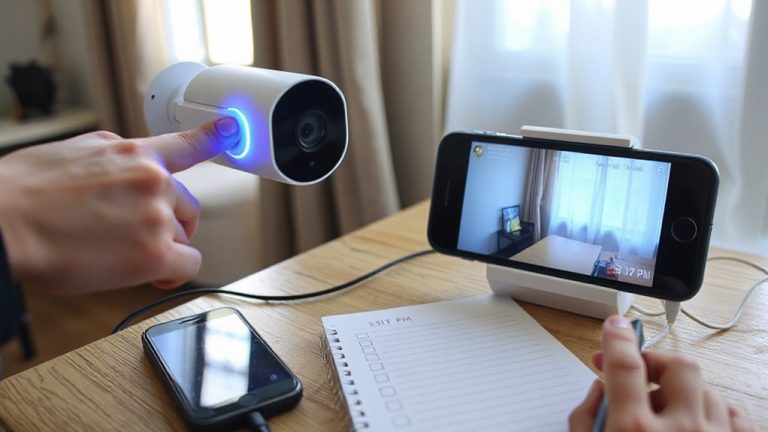
Since personal alarms rely on battery power and functional components to work during emergencies, it’s essential to check the device together monthly to guarantee it’s in proper working order. A routine battery check ensures the alarm won’t fail when needed, as weak batteries are a leading cause of malfunction. Sit with your child once a month to test the device, pressing the button to confirm the sound is loud and clear-this is called device testing. Make it a habit, like checking smoke detectors. Most alarms use replaceable batteries that last 6–12 months, depending on use. Some models have low-battery indicators, but don’t wait for warnings. Consistent device testing builds routine and confidence. Keep replacement batteries on hand and log each check. This small monthly task greatly boosts reliability, giving both of you peace of mind that the tool will work if an emergency arises.
Talk About Safety Without Scaring Them
Checking the alarm monthly keeps the device working, but helping your child understand when and why to use it matters just as much. Use calm communication to explain emergencies without causing fear. Let them know they can trust their feelings-if something feels wrong, it’s okay to act. Encourage trusting instincts, like discomfort around unfamiliar people or places. Practice scenarios where they’d use the alarm, focusing on real but unlikely situations. Keep discussions age-appropriate and routine, like fire drills. Avoid graphic details; instead, frame the alarm as a tool for safety, not a sign of danger. Reassure them that adults are nearby to help. Regular, low-pressure talks build confidence. Using the alarm is about control, not fear. This approach supports smart decisions while reducing anxiety.
On a final note
You’ve taught your child to recognize real danger, practice safe alarm use, and respond calmly in drills. Regular checks guarantee the device works, while clear rules prevent misuse. These steps build confidence and safety awareness without fear. Evidence shows children who train monthly are more prepared, so stay consistent. The result is a reliable, low-cost tool that supports independence, giving you peace of mind.