Encouraging Consistent Street-Level Engagement to Foster Natural Surveillance Culture
You can reduce crime by designing well-lit streets, trimming shrubs, and adding windows or seating that encourage people to linger and observe. Greeting neighbors daily and supporting local shops boosts familiarity, making it easier to spot suspicious activity. These low-cost actions-like installing motion lights for $150–$500-build a culture of quiet vigilance. Communities with strong natural surveillance see up to 40% fewer property crimes, proving small habits make a measurable difference. Keep these practices consistent, and you’ll find safer streets emerge over time.
Notable Insights
- Install motion-sensor lighting and trim shrubbery to enhance visibility and encourage pedestrian activity at all hours.
- Design streetscapes with benches, planters, and pedestrian plazas to increase lingering and natural observation.
- Promote daily neighbor interactions through routines like walking children to school or casual street greetings.
- Encourage shop owners to maintain active storefronts with lighting and staff presence to support continuous monitoring.
- Build community trust via neighborhood groups and simple social connections that foster shared safety responsibility.
How Natural Surveillance Prevents Crime
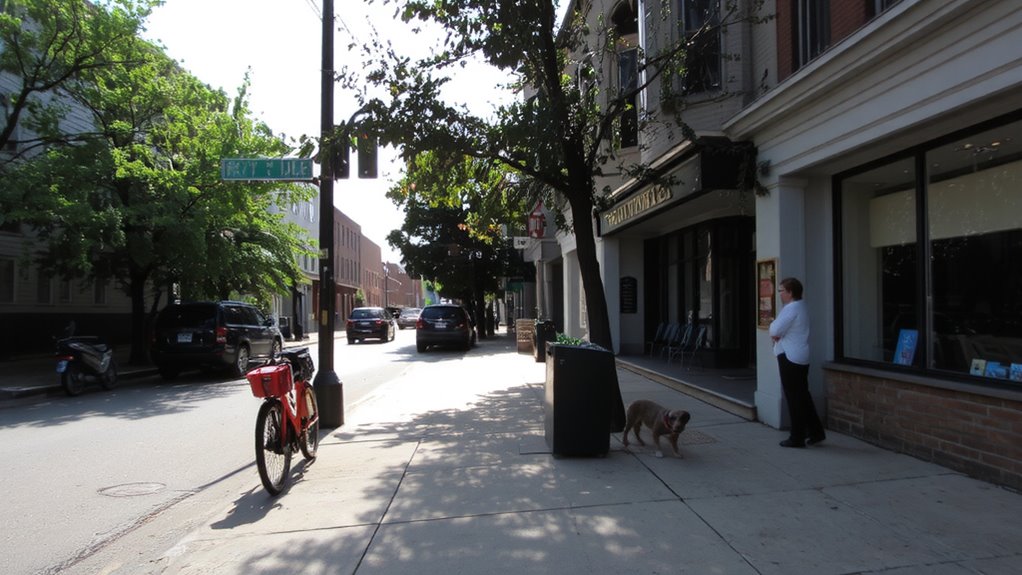
Why do some neighborhoods feel safer even without extra patrols or security systems? You benefit from natural surveillance when homes have strong lighting visibility and thoughtful design. Criminals avoid areas where they’re more likely to be seen, so well-lit streets and front porches make a difference. Unlike constant patrol presence, which is costly and inconsistent, good lighting provides 24/7 deterrence. Windows facing sidewalks allow residents to unintentionally monitor activity, increasing perceived and actual safety. Research shows homes with improved outdoor lighting report fewer break-ins. While installation costs range from $150–$500 per fixture, long-term safety gains outweigh expenses. You don’t need surveillance cameras or police on every corner. Simple changes like motion-sensor lights and trimmed shrubbery boost visibility. Strong lighting visibility paired with passive observation creates a reliable, low-maintenance defense. You gain security not through effort, but through smart, consistent design.
How Everyday Interactions Deter Crime Without Effort
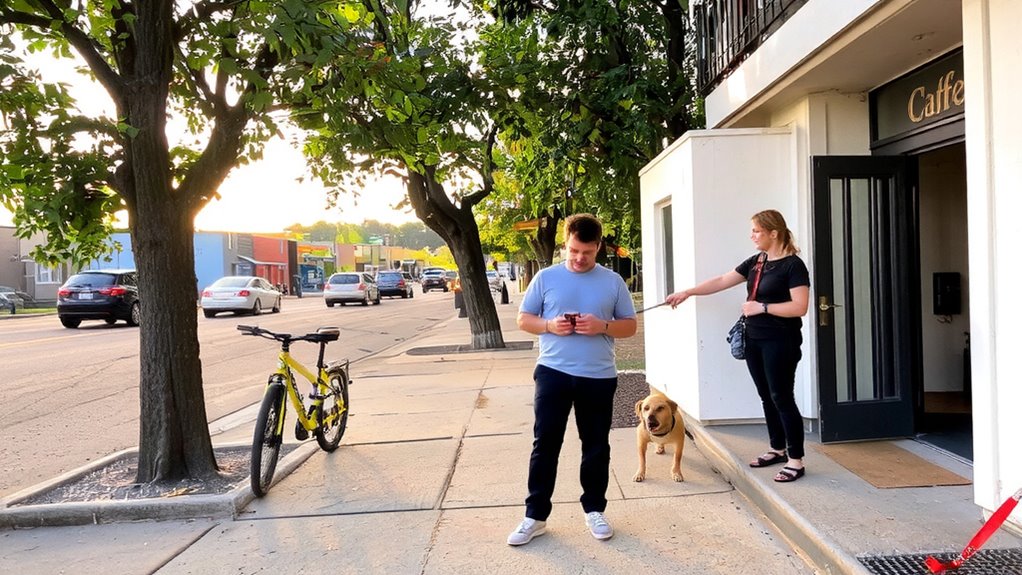
While you go about your daily routine, something subtle but powerful is already working in your favor-regular interactions between neighbors create a natural barrier to crime. Simple things like casual greetings or waving to someone walking their dog strengthen community bonds without effort. These small acts make your street more observant, as people begin to recognize who belongs and who doesn’t. Your neighborhood routines-taking out the trash, walking the kids to school-become part of a larger, informal monitoring system. Research shows that areas with frequent low-effort interactions report lower property crime rates. You don’t need organized patrols; consistency matters more than intensity. Over time, these moments build trust and awareness. Criminals avoid places where people notice and respond. The benefit? Increased safety with little cost or planning. Just being present and friendly helps.
Design Streets That Invite People to Stay
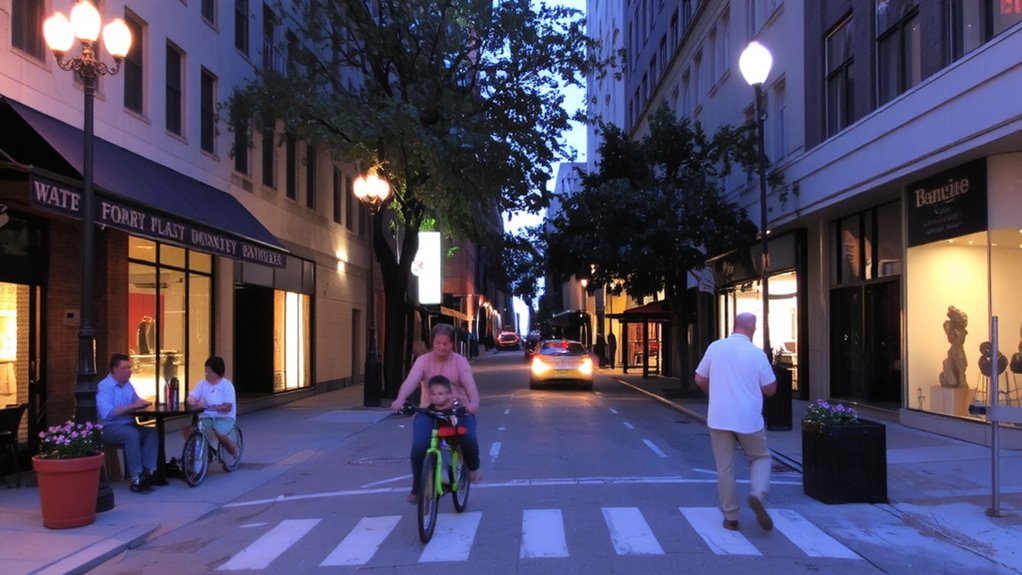
Streets that feel welcoming tend to stay safer, and design plays a key role. You can encourage people to linger by creating pedestrian plazas where vehicles are limited and foot traffic thrives. These spaces, often converted from parking spots or wide roadways, increase foot activity and boost natural surveillance. Adding seating zones-like benches, ledges, or planters with flat tops-gives people a reason to stop and stay awhile. Studies show that streets with more seated individuals have lower opportunistic crime rates. Seating should be placed near storefronts or trees for comfort and shade. While pedestrian plazas require city approval and ongoing maintenance, their impact on foot traffic is well documented. Seating zones cost little and can be installed incrementally. Together, these features make streets feel alive, drawing more eyes on the street without added security costs.
How Trust Makes Neighborhoods Safer
You’ve likely noticed that the most vibrant streets aren’t just full of people-they’re full of connections. When neighbors know one another, community trust grows, making everyone more alert and responsive. People look out for each other’s homes, report suspicious activity sooner, and feel safer outdoors. This shared responsibility means safety isn’t just up to police-it’s a local effort. Studies show neighborhoods with strong social ties have lower crime rates, even after controlling for income and population density. Simple actions, like greeting those you pass or joining a neighborhood group, build this trust over time. While installing cameras or better lighting helps, those tools work better when combined with human awareness. Relying only on technology without social bonds provides limited protection. Building community trust takes consistency, not money, and the payoff is measurable: fewer property crimes and quicker responses. You help create safety just by showing you care.
Why Local Shops Keep Streets Safe
Because shop owners have a personal stake in their surroundings, they naturally become extra eyes on the street, helping deter crime just by being present. You benefit from their presence whether you realize it or not-windows lit at night, staff watching sidewalks, and regular foot traffic all signal that an area is monitored. Many shopkeepers join forces through shop watches, sharing information about suspicious behavior and coordinating with community patrols to extend safety beyond business hours. These partnerships increase visibility and response speed without requiring major investment. Data shows neighborhoods with active shop watches report fewer property crimes. Community patrols, often volunteer-run, complement these efforts by covering blind spots. While not a replacement for formal security, these systems create layered oversight. You’ll see better results when shops maintain open communication, post signage, and participate consistently-small actions that add up to greater collective safety.
Get Involved: Practical Ways to Activate Your Street
What if the key to a safer, more vibrant street was something you could help shape directly? You can foster natural surveillance by leading or joining neighborhood patrols, which increase foot traffic and deter crime through presence. Organizing community gardens not only beautifies space but also draws residents outside, building trust and watchful eyes. Both actions promote consistent street-level engagement.
| Initiative | Key Benefit |
|---|---|
| Neighborhood patrols | Increases visibility, deters crime |
| Community gardens | Encourages outdoor activity, builds cohesion |
| Front-yard gatherings | Strengthens familiarity among neighbors |
| Seasonal clean-ups | Improves safety and property appeal |
| Lighting assessments | Reduces dark zones, enhances comfort |
Participation takes little time but delivers measurable results. Start small-gather a few neighbors, assess needs, and plan monthly activities. Most programs cost under $200 annually. When you engage, you’re not just improving aesthetics-you’re creating layers of informal oversight that make your street inherently safer.
How to Tell If Your Street Is Safer
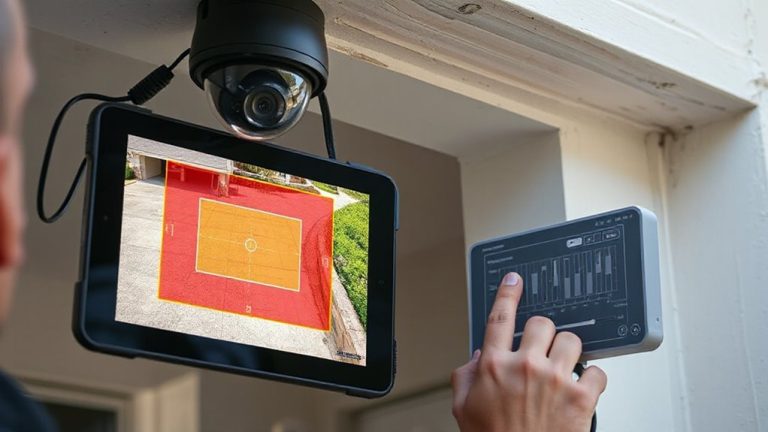
How can you know if your efforts are making a real difference? Look for clear signs like reduced vandalism, fewer break-ins, and neighbors feeling more comfortable outside. If your community watch logs fewer incidents over time, that’s strong evidence. Increased participation in neighborhood patrols also suggests growing trust and engagement. You might notice people leaving lights on longer, walking dogs at night, or simply chatting more on sidewalks-these small behaviors mean people feel safer. Check local crime statistics from police reports to confirm trends. Consistent attendance at monthly meetings and timely communication through neighborhood apps show sustained involvement. While patrols can deter crime, they require time and coordination, so balance effort with impact. When more residents join shifts or report suspicious activity without fear, that’s when you’ll know your street is truly becoming safer. Installing a reliable best home security systems can further enhance neighborhood safety by providing additional surveillance and deterrence.
On a final note
You build safer streets by being present and aware. Simple actions like walking, chatting, or shopping locally increase natural surveillance and deter crime. Design and trust matter-well-lit, active spaces with strong neighborly ties see fewer incidents. Support local businesses and stay engaged to sustain safety. Data shows consistent activity reduces opportunities for crime. Start small, stay consistent, and see measurable improvements over time.