Creating a Home Defense Plan During Civil Emergencies
During civil emergencies, your home is 3.5 times more likely to be targeted, so act now. Assess weak spots like ground-floor windows and weak doors, then reinforce entry points with solid doors, deadbolts, and security film. Set up motion lights and trim shrubs to eliminate hiding spots. Create a family communication plan with backups for each member, store 72-hour supplies of water, food, and meds, and run monthly drills to practice responses-clarity under pressure saves lives. Smart planning now reduces risk when help is delayed.
Notable Insights
- Assess home entry points and reinforce doors, windows, and frames to deter forced entry during civil unrest.
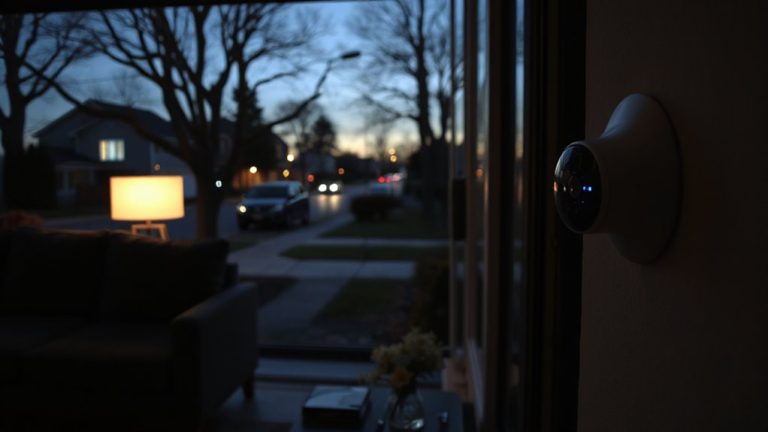
- Install motion-sensor lighting and security cameras to eliminate dark zones and monitor perimeter activity.
- Develop a family emergency communication plan with primary and backup contact methods for all members.
- Conduct regular home defense drills to assign roles, reduce panic, and ensure swift response during an incident.
- Store 72-hour emergency supplies, including water, food, medications, and essential gear in an accessible, labeled location.
Assess Your Home’s Weak Spots for Break-Ins
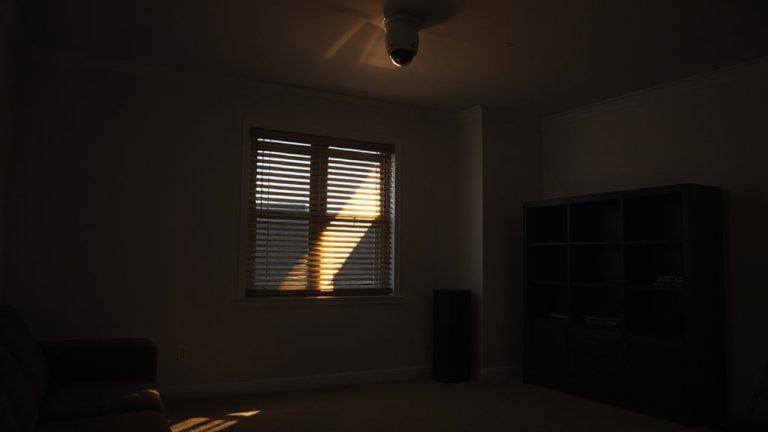
While most break-ins happen through easy entry points, you can reduce risk by checking your home’s vulnerabilities now. Start by inspecting all doors and windows, especially vulnerable windows on ground floors or near drainage pipes. These are common access points criminals exploit. Walk your property’s perimeter to identify blind spots-areas hidden from street view or security cameras-where intruders can hide unnoticed. Trim overgrown shrubs and install motion-sensor lighting to reduce these risks. Reinforced glass, window locks, and security film add layers of protection. For older homes, consider upgrading frames or adding secondary locks. Most improvements cost between $50 and $300, depending on size and materials. A thorough assessment takes less than an hour but considerably increases safety. Addressing weak spots now improves deterrence and gives you clearer oversight during emergencies. Upgrading to high-security best door locks can significantly reduce the likelihood of forced entry.
Establish a Family Emergency Communication Plan
If your home is ever targeted during a break-in or other emergency, having a clear communication plan can help everyone stay informed and respond quickly. Establishing emergency contacts and reliable communication routes is essential. Make sure every family member knows whom to call and how to respond if phones or power go down.
| Family Member | Primary Contact | Backup Route |
|---|---|---|
| Adult 1 | Cell Phone | Text Message |
| Adult 2 | Landline | |
| Child | Designated Relative | Walkie-Talkie |
List emergency contacts in writing and store them in wallets and phones. Test communication routes monthly to guarantee they work under stress or outage conditions. Use chargers, battery packs, or hand-crank radios where needed. A well-practiced plan increases response speed and reduces panic during real incidents.
Store 72-Hour Supplies of Food, Water, and Meds
You’ll want to keep at least a 72-hour supply of food, water, and medications on hand in case of emergencies like power outages, natural disasters, or home invasions that prevent you from leaving safely. Store one gallon of water per person per day, ideally in sealed, food-grade containers. For food, choose non-perishable emergency rations such as granola bars, canned meals, or freeze-dried kits that don’t require cooking. Include comfort items but prioritize caloric density and shelf life. Keep a seven-day supply of backup medications, like insulin, asthma inhalers, or heart medication, stored in a dry, temperature-stable spot. Rotate supplies every six months to prevent spoilage. Label everything clearly and keep it in an accessible, designated area. Planning ahead guarantees you maintain health and energy when external resources are unavailable. Emergency rations and backup medications are non-negotiable elements of preparedness.
Secure Doors, Windows, and Main Entry Points
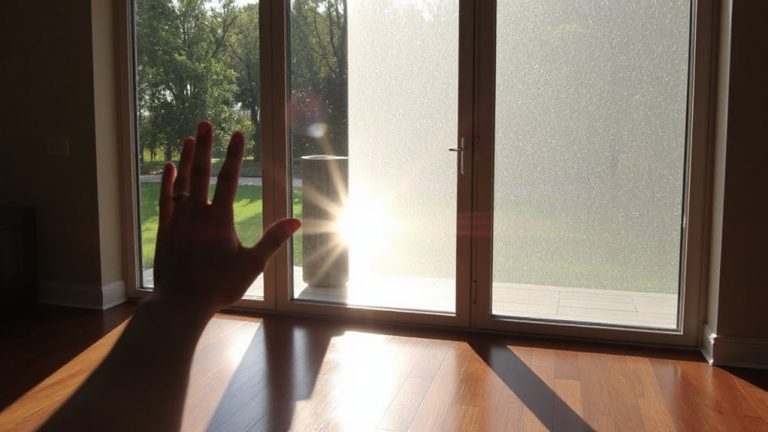
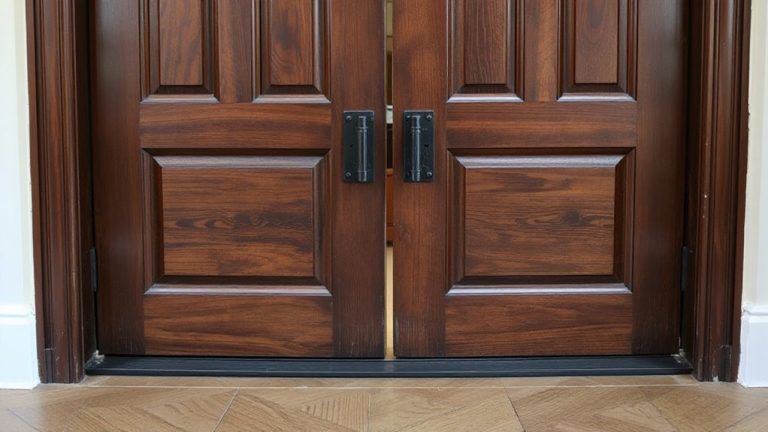
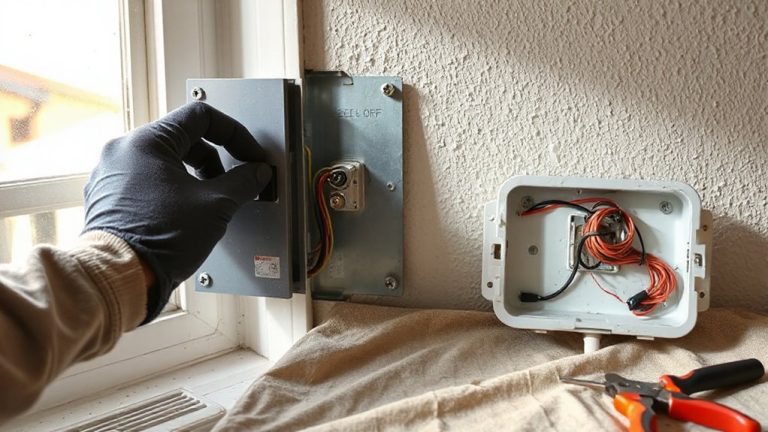
A solid door isn’t just a barrier-it’s your first real defense against unauthorized entry. You should reinforce frames with steel or heavy-duty strike plates to prevent kick-in attempts. Hollow-core doors offer little resistance, so upgrade to solid wood or metal if possible. Always use deadbolts that extend at least one inch into the frame. For windows, especially near doors, install laminated glass or security film to delay break-ins. Reinforce frames around sliding glass doors with additional pins or bars. Install sensors on all exterior doors and ground-floor windows-these alert you to movement even at night. Door and window sensors connect to security systems or standalone alarms, giving early warning. Most systems cost $200–$600, depending on wireless features. Sensors need regular testing and battery checks. These steps, when combined, markedly improve your home’s resistance to intrusion. The most secure entry points pair strong doors with high-rated best front door locks.
Run Home Defense Drills With Your Household
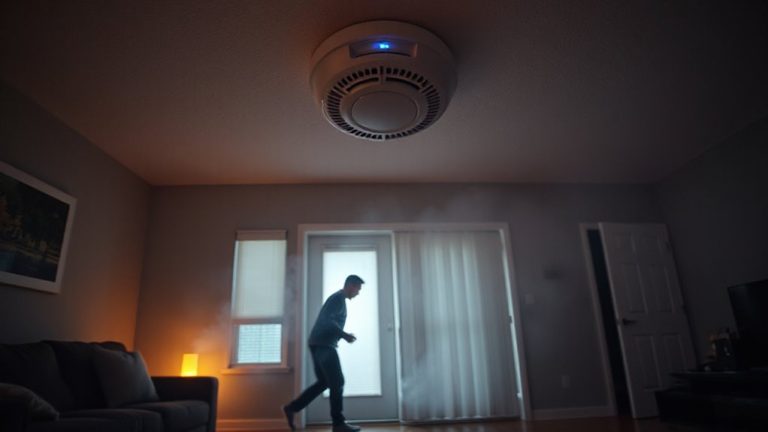
While having strong locks and alarms is essential, those measures mean little if everyone in your home doesn’t know how to respond during a break-in attempt, which is why running regular home defense drills is a critical step in your overall security plan. Effective drill coordination guarantees everyone moves safely and efficiently. Clear role assignments-like who calls 911, who secures children, or who retreats to a safe room-reduce confusion under stress. Practice monthly to reinforce habits and adjust for changes like new family members or routines.
| Scenario | Family Reaction | Outcome |
|---|---|---|
| Intruder at front door | Panic, no plan | Delayed escape |
| Clear roles in place | Calm, quick response | Safe evacuation |
| No communication | Confusion, risk | Increased danger |
Drill coordination and role assignments save lives by turning fear into action.
On a final note
You’ve assessed your home’s weak spots and reinforced doors, windows, and entry points. You’ve stored 72-hour supplies of food, water, and medications, and created a family communication plan. Running regular defense drills guarantees everyone knows their role. These steps are proven to increase safety during civil emergencies. Preparedness reduces risk, saves time, and supports clearer decisions under pressure. Start now-small, consistent actions build real resilience.