How Smoke Detectors With Voice Alerts Provide Faster Emergency Response
You get up to 30 seconds faster response with voice alerts because your brain recognizes speech quicker than beeps. A calm voice saying “Fire in the kitchen” wakes you faster and reduces confusion, especially in big homes. Seniors and those with hearing loss benefit most. These detectors cost $10–$50 more, work with smart systems, and should be on every floor. You’ll also learn how to choose the best one based on key features and setup tips.
Notable Insights
- Voice alerts are processed faster by the brain than beeps, enabling quicker recognition and response during emergencies.
- Speaking alarms provide clear, location-specific warnings like “Fire in the kitchen,” reducing confusion and speeding evacuation.
- Custom voice messages, including familiar voices, improve alert recognition, especially for children and seniors.
- Cognitive processing prioritizes speech over tones, leading to faster wake times and situational awareness.
- Integration with smart systems enables synchronized voice alerts, strobe lights, and remote notifications for faster, coordinated emergency response.
Why Voice Alerts Save More Time Than Beeps
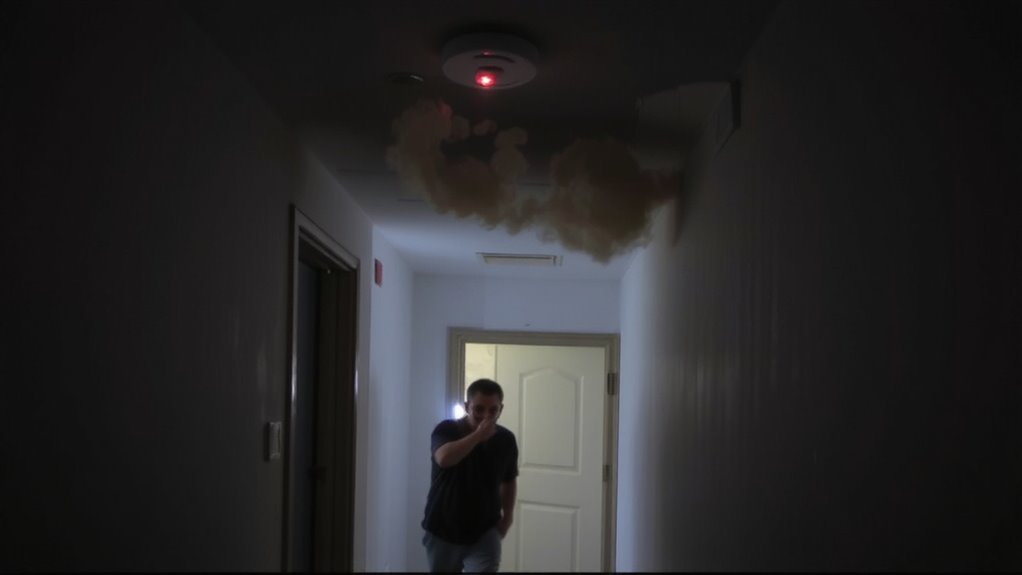
Why would a simple voice alert make a difference when seconds count? Because your brain processes speech faster than beeps, giving you a vital head start. With tone recognition, you react more quickly to a calm human voice saying “Fire!,” especially if you’re asleep or hard of hearing. Standard alarms rely on loud tones, but voice alerts deliver clear, direct warnings. You can also use alert customization to set different messages for each room, helping you identify danger faster. Some models even let you record a family member’s voice, increasing recognition. Units with voice alerts cost slightly more-usually $10 to $20 extra per detector-but many fire departments recommend them. For maximum effectiveness, install them on every level and near bedrooms. Combine voice alerts with regular testing and battery replacement. It’s a smart upgrade that could save valuable seconds.
How Speaking Alarms Pinpoint Fire Location
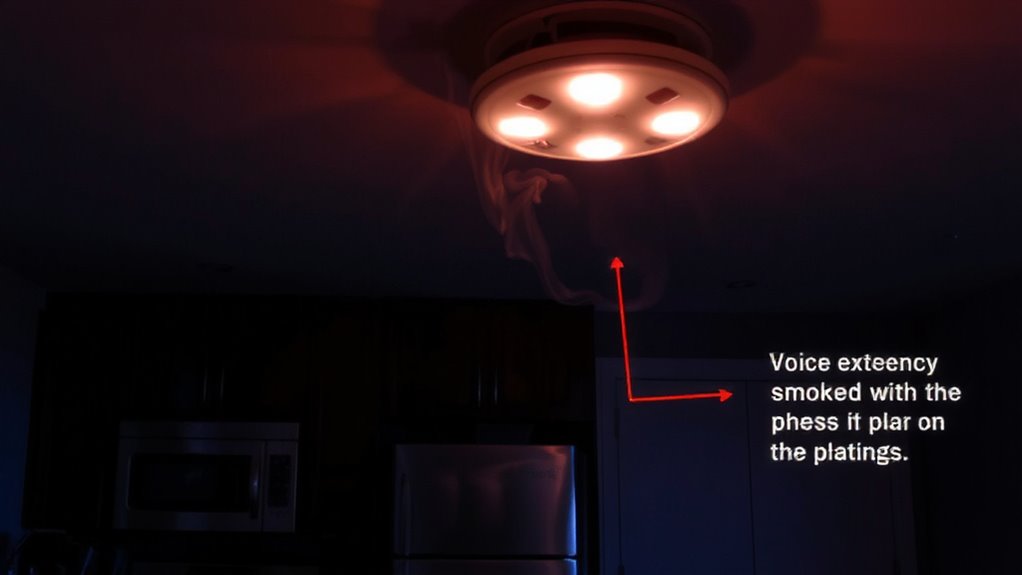
You already know voice alerts cut response time by delivering clearer warnings than traditional beeps, but what really sets smart detectors apart is their ability to tell you where the threat is. Speaking alarms use location specificity to announce the exact room where the fire source is detected, such as “Fire in the kitchen” or “Smoke in the basement.” This feature reduces confusion, especially in multi-level homes, and helps you respond faster and more accurately. Interconnected systems enhance this benefit by synchronizing messages across all units. Studies show location specificity improves evacuation efficiency by directing attention to the fire source first. While these detectors cost slightly more-typically $30–$50 each-the added awareness is a smart investment. Look for models with clear voice alerts, reliable sensors, and compatibility with your existing system to maximize safety and response accuracy.
Why Your Brain Wakes Faster to a Voice

Could it be that your ears are wired to respond more quickly to speech than to noise? Yes-your brain is primed for auditory recognition of voices, even during sleep. When a smoke detector uses a voice alert, your cognitive processing activates faster than with a standard alarm’s beep. Studies show speech triggers immediate attention because the brain prioritizes meaningful sound over random noise. This speeds up wake time and situational awareness, giving you critical extra seconds during a fire. Voice alerts are processed like familiar voices or commands, prompting quicker response. That’s why auditory recognition plays a key role in emergency detection. For best results, choose detectors with clear, calm voice prompts that state the threat and location. While voice models may cost slightly more, their effectiveness in reducing response time makes them a smart addition to home safety plans. Replace units every 10 years for continued protection.
Who Gains the Most From Voice-Alert Detectors
While everyone benefits from faster emergency alerts, certain groups experience greater advantages when using voice-alert smoke detectors. You’re likely to see the biggest improvements if you’re a senior living alone, especially if you have hearing loss. Deaf seniors rely on visual or vibrating alerts, but voice detectors with strobe lights and bed shakers offer a multi-sensory warning that’s more effective. If you live in rural areas, where emergency response can take 20 minutes or more, those extra seconds matter. A clear voice alert helps you understand the threat and act faster, reducing confusion. These detectors are slightly more expensive-about $10–15 more per unit-but the cost is justified by improved response times. Experts recommend installing them near bedrooms and on every floor. For you, especially with age-related hearing changes, voice alerts aren’t just convenient-they could be life-saving.
How Voice Detectors Work With Smart Safety Systems
Smart home integration elevates voice-alert smoke detectors from standalone alarms to coordinated safety systems. When a threat is detected, voice integration allows the alarm to send spoken alerts through connected speakers, ensuring you hear the warning wherever you are in the home. These detectors link with smart hubs, security cameras, and lighting systems, so lights can flash or cameras can begin recording automatically during an emergency. System compatibility is key-ensure your detector works with platforms like Alexa, Google Home, or Apple HomeKit to maximize functionality. Some models even send real-time alerts to your phone, allowing remote monitoring. While initial setup may require careful planning, the seamless communication between devices improves response speed. Though pricing varies, investing in compatible components now reduces long-term costs and enhances overall safety through unified, automated protection.
How to Choose the Best Voice-Alert Smoke Detector
What should you look for when picking a voice-alert smoke detector that truly fits your home’s safety needs? First, check the battery life-models with 10-year sealed batteries reduce maintenance and guarantee reliability. If it uses replaceable batteries, test them monthly. Next, consider installation height: place detectors high on walls or ceilings, as smoke rises, and follow manufacturer guidelines for exact positioning. Choose units with clear voice alerts that announce both the hazard and location, improving response during emergencies. Opt for interconnected systems so all alarms sound together. Look for certifications like UL listing for proven performance. While smart models offer remote alerts, they may cost more. Balance features with your budget, guaranteeing coverage in every bedroom, hallway, and level. Prioritize ease of use and consistent operation over extra bells and whistles.
On a final note
You’ll respond faster to a voice alert than a beep, especially while asleep. These detectors clearly say “Fire!” and often state the location, helping you react quickly. They work well with smart systems, sending alerts to your phone. Most people, especially children and older adults, benefit from the clarity. Choose one with battery backup and interconnect capability. Look for models under $50, ensuring reliability without high cost.