Creating a Secure Environment for Children: Tips and Strategies To Consider
You can create a secure environment by childproofing your home with outlet covers, anchored furniture, and edge guards-simple fixes that help prevent thousands of ER visits yearly. Set clear, age-appropriate rules online and off, and teach your child how to respond to strangers or emergencies with practiced routines. Use smart tech like motion alerts and geofencing wisely, balancing safety and privacy. Strengthen habits through daily drills and school partnerships to guarantee consistency-there’s more to explore on tailoring these strategies as your child grows.
Notable Insights
- Install tamper-resistant outlets and secure furniture to walls to prevent injuries from shocks and tip-overs.
- Set age-appropriate rules for online and offline activities, using parental controls and regular check-ins.
- Teach children to respond safely to strangers, emergencies, and getting lost through role-play and drills.
- Use smart devices with privacy safeguards, like encrypted cameras and geofencing, to monitor safely.
- Build daily safety routines and partner with schools to reinforce consistent, effective security practices.
Childproof Your Home: Essential Safety Upgrades
While you can’t watch your child every second, making smart safety upgrades around your home greatly reduces the risk of accidents, especially during those early, exploratory years. Install tamper-resistant electrical outlets or use plastic outlet covers to prevent shocks-these are inexpensive, widely available, and easy to install. Secure furniture with wall anchors and apply corner guards on sharp corners of tables and counters, as these surfaces commonly cause injuries in toddlers learning to walk. Choose guards made of foam or silicone for better cushioning. According to the CPSC, over 20,000 children visit emergency rooms yearly due to furniture tip-overs and edge impacts. Most kits cost $20–$50, providing long-term protection. Regularly inspect installations to guarantee they remain secure, and replace worn materials. These evidence-based upgrades offer measurable risk reduction, giving you peace of mind without compromising home functionality.
Set Age-Appropriate Safety Rules (Online & Off)
You’ve made your home physically safer with outlet covers, anchored furniture, and edge bumpers, but protection doesn’t stop at the walls-it extends to the behaviors and boundaries you set for your child. Establishing clear online boundaries and offline limits helps guide responsible choices at every age. For younger kids, keep screen time supervised and restrict access to age-inappropriate content using parental controls. As they grow, discuss privacy settings, cyberbullying, and safe sharing to reinforce online boundaries. Offline limits might include curfews, check-in routines, or rules about who they can visit. Be consistent, explain the reasons behind rules, and adjust them as your child matures. These guidelines aren’t about control-they’re about teaching judgment. Research shows children respond best to clear, reasoned rules paired with open communication. Start early, stay involved, and review rules every six months to guarantee they still fit your child’s development and environment.
Teach Kids Stranger and Emergency Safety
How do you guarantee your child knows how to respond if approached by a stranger or caught in an emergency? Teaching stranger and emergency safety is key to abduction prevention and confidence-building. Start early with clear rules and practice. Use role-play and regular emergency drills to reinforce responses without causing fear.
| Situation | What to Do | Why It Matters |
|---|---|---|
| A stranger approaches | Stay back, don’t engage, find a trusted adult | Reduces risk of abduction |
| Lost in public | Stay in place, ask for a uniformed worker | Increases chances of safe return |
| Emergency at home | Follow practiced escape plan | Builds quick, correct reactions |
| Someone insists you go | Say “No,” run, yell “This isn’t my parent!” | Empowers refusal skills |
Practice consistently so responses become second nature.
Use Smart Tech to Help: Not Hover
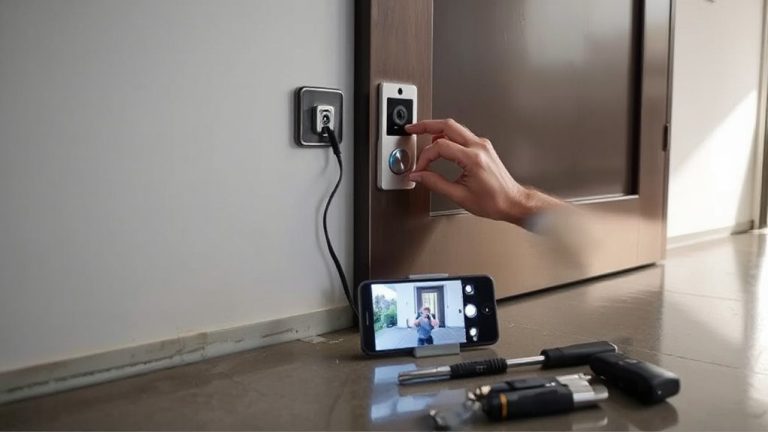
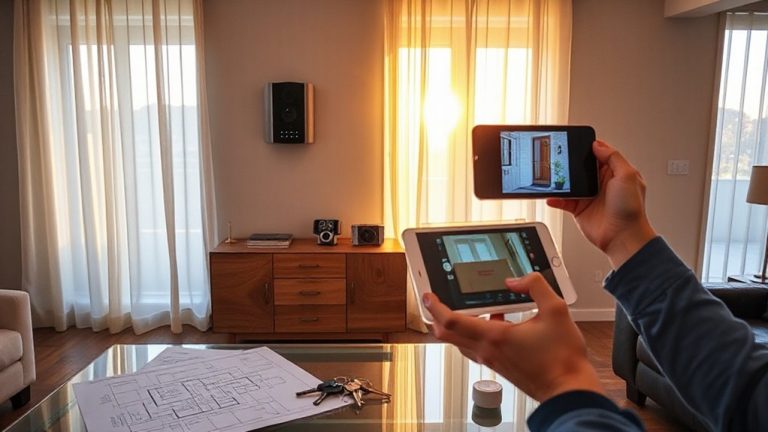
If used thoughtfully, smart technology can support your child’s safety without crossing into constant surveillance. Smart home monitoring systems let you check in on your kids with live camera feeds, but set boundaries-avoid placing cameras in private spaces like bedrooms. Use tech based safety alerts to get notified about open doors, motion in restricted areas, or unusual activity. Many systems offer geofencing, so you’re alerted when your child arrives home from school. Opt for reputable brands with strong privacy policies and end-to-end encryption. While monthly fees for cloud storage range from $3–$10, one-time purchases can reduce long-term costs. Balance convenience with privacy: disable audio recording when not needed and involve your child in setting usage rules. Properly applied, smart tech offers peace of mind without overstepping. Top models like the best indoor surveillance cameras provide reliable performance and advanced features for family safety.
Build Confidence With Daily Safety Routines
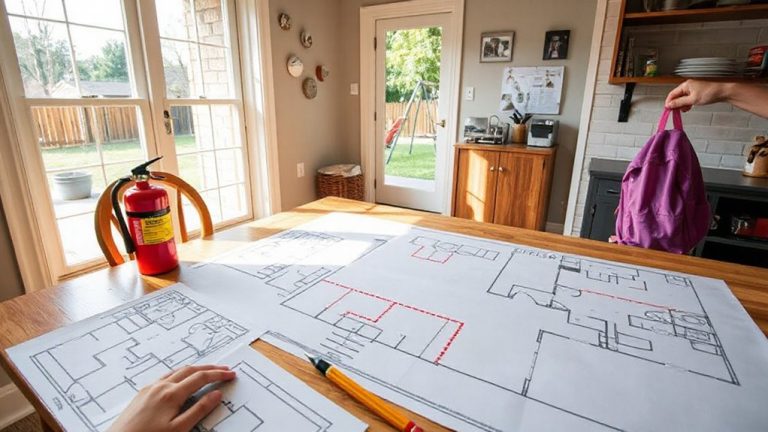
Consistency in daily routines shapes a child’s sense of security and prepares them to respond confidently in unexpected situations. When you build safety practices into everyday life-like checking locks, reviewing emergency plans, or naming safe adults-you strengthen emotional resilience. These small, repeated actions help children feel capable, not fearful. Use positive reinforcement by praising effort, not just results-saying “I like how you remembered our meeting spot” encourages repetition. Start with simple steps, then gradually add complexity as your child grows. Practice fire drills, stranger scenarios, and home entry checks regularly. Predictability reduces anxiety and builds confidence. While routines take time to establish, the long-term benefit is a child who acts wisely under pressure. Keep language clear and instructions age-appropriate. Consistent practice with positive reinforcement leads to lasting safety habits.
Partner With Schools for Consistent Protection
While your efforts at home lay the foundation for safety, aligning with schools strengthens protection through shared practices and clear communication. You can promote consistency by engaging in parent teacher collaboration, which helps unify safety messages between home and classroom. Schools that conduct regular school safety audits are better equipped to identify risks and improve emergency preparedness-ask administrators about their audit schedule and findings. You should attend meetings or volunteer for safety committees to stay informed. Research shows schools with strong family involvement report fewer behavioral incidents and faster crisis response times. While it takes time to build these connections, the benefits include stronger supervision, early intervention, and clearer protocols your child can recognize in both environments. Make it a priority to review safety plans annually with teachers and staff, ensuring everyone supports the same protective standards.
On a final note
You’ve taken key steps to protect your child by childproofing your home, setting clear rules, and teaching emergency safety. Smart tech helps monitor risks without overstepping, while daily routines build confidence. Partnering with schools guarantees consistent safety messages. These evidence-based strategies balance freedom and protection, adapting as kids grow. Plan updates every six months, budget $100–$300 yearly for upgrades, and review safety features together as a family.