How to Choose the Right Home Security System for Your Needs
Start by evaluating your home’s vulnerabilities and setting clear security goals-focus on real risks like unsecured entry points or local crime trends. Choose smart sensors and cameras that fit your lifestyle, with remote access and alerts for convenience. Decide between DIY setup for affordability or professional installation for reliability. Compare total costs, including equipment and monitoring, over 3–5 years. You’ll find how to match each feature to your needs, budget, and home layout with the right approach.
Notable Insights
- Assess your home’s vulnerabilities and prioritize security features based on real risks like theft or location.
- Choose smart sensors and remote access to match your family’s routine and reduce false alarms.
- Decide between DIY and professional installation based on your technical skill, budget, and home complexity.
- Understand all costs, including equipment, monthly monitoring, and potential hidden fees over 3–5 years.
- Select a modular, compatible system that integrates with smart home devices and allows future upgrades.
Start With Your Home Security Priorities
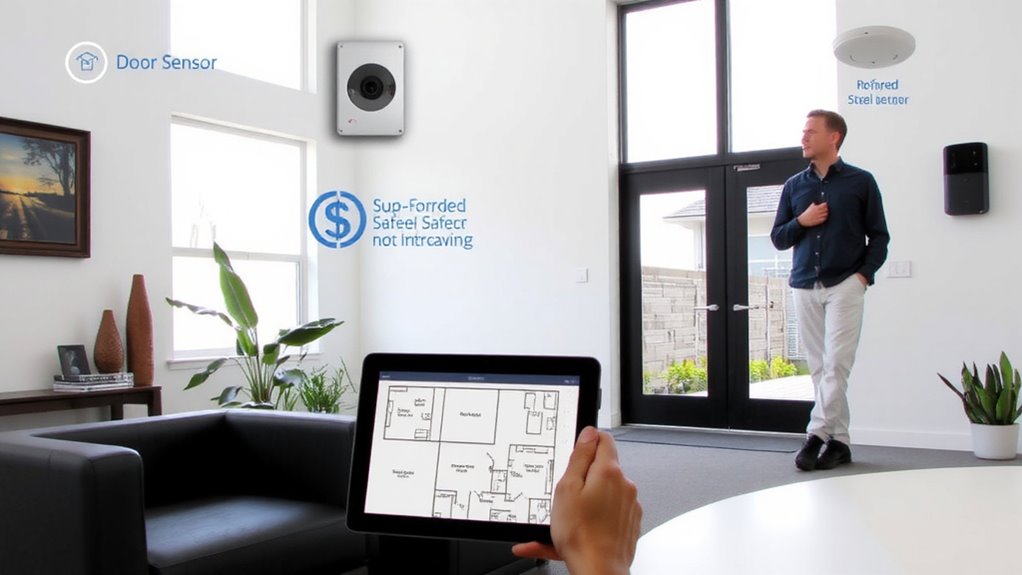
What matters most when securing your home? Your unique security goals and the risks your household actually faces. Before buying any system, you should conduct a thorough risk assessment to identify vulnerabilities, like unsecured windows, poor lighting, or neighborhood crime trends. This evaluation shapes your priorities-whether it’s deterring break-ins, monitoring packages, or protecting children. Defining clear security goals helps you avoid overspending on unnecessary features or underinvesting in key protections. For example, homes in high-theft areas may need surveillance and alarms, while rural properties might prioritize motion sensors and outdoor sirens. A data-driven approach guarantees your system matches real threats. Start with what you need, not what’s marketed. This planning stage saves time, money, and strengthens your actual safety. Top-rated systems often include features like professional monitoring for added protection.
Pick Features That Fit Your Family and Routine
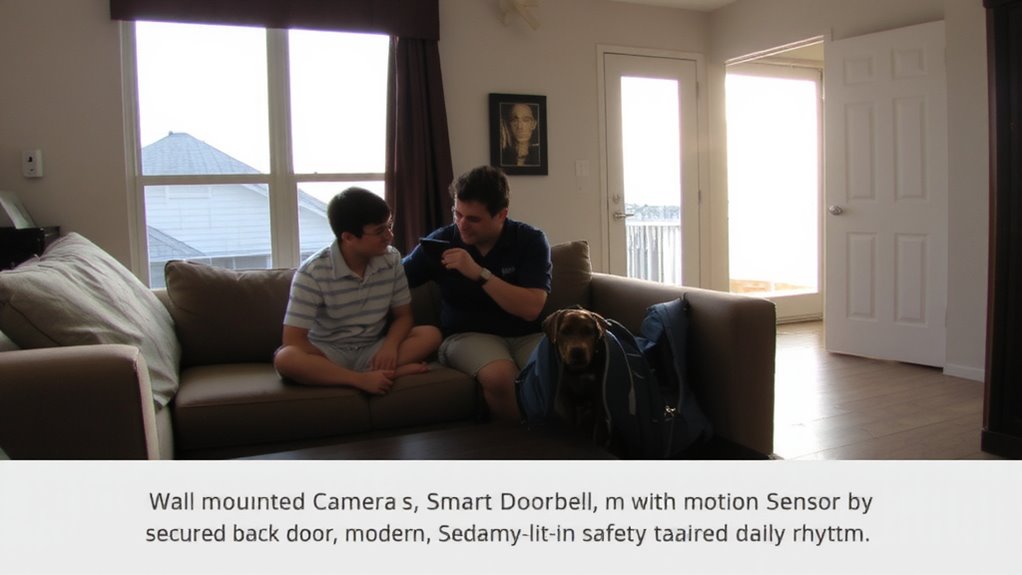
Since every household has different needs, choosing the right security features means matching them to your family’s daily habits and lifestyle. If you have kids or pets, smart sensors on doors and windows下一个词可以是can alert you to unexpected openings without triggering false alarms. Remote access lets you monitor cameras or arm the system from your phone, which is helpful if your schedule changes often. Consider how much time you spend at home: if you’re away frequently, real-time alerts and video verification add value. For households with older adults, automated lighting controls and fall detection systems can offer added safety. Systems with smart sensors typically cost more, but they reduce false alarms by 40% compared to traditional ones. Remote access requires a stable internet connection and often a monthly subscription. Choose features that align with your routine-not just what looks high-tech-so the system works reliably every day. For motion detection that integrates seamlessly with smart hubs, consider best motion sensors compatible with Home Assistant.
DIY or Pro Installation: Which Is Right for You?
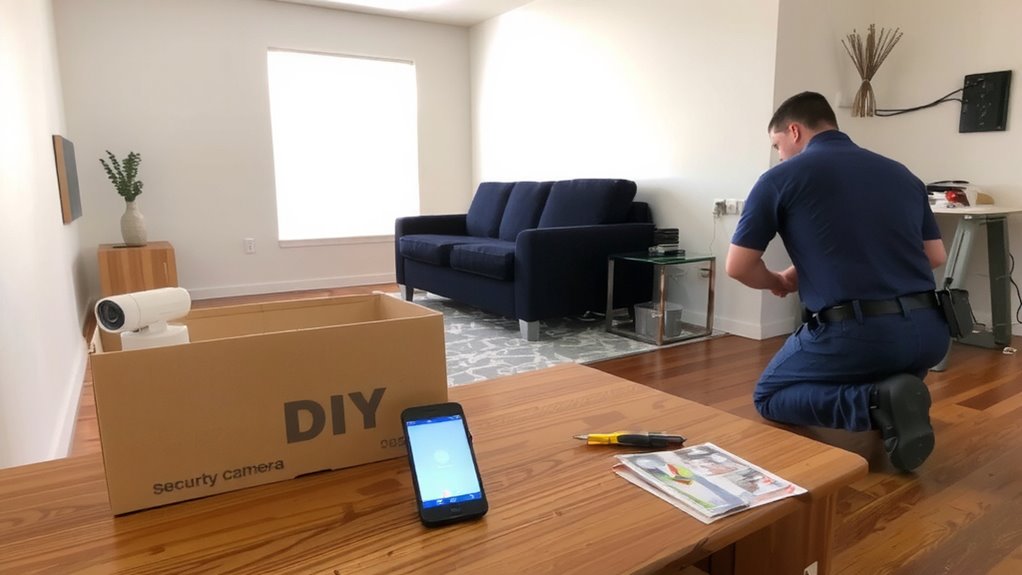
A home security system can be installed either by yourself or with professional help, and your choice depends on your comfort level with technology, budget, and home layout. If you’re tech-savvy and want full control, DIY advantages include lower upfront costs, faster setup, and flexible placement of sensors and cameras. Many modern systems guide you step-by-step through mobile apps, making installation straightforward. However, complex homes or hardwired systems might require expertise, where professional reliability becomes valuable. Technicians guarantee effective device placement, proper connectivity, and system testing, reducing the risk of gaps in coverage. Pro installation also often includes warranties and support. Consider your time, technical skill, and home size before deciding. For simple setups, DIY works well. For full protection, especially in larger homes, professional reliability offers peace of mind and long-term performance.
Know What You’ll Pay: Costs and Monthly Fees
Most home security systems require both an initial investment and ongoing monthly fees, so it’s important to understand the full cost picture before choosing one. You’ll pay for equipment upfront or through equipment leasing, which can lower initial costs but increases long-term expenses. Monthly monitoring fees typically range from $20 to $50, depending on features like 24/7 surveillance or cellular backup. Watch out for hidden fees-some companies charge extra for maintenance, cloud storage, or cancellation. Leasing often locks you into contracts, making switching providers difficult. Buying your gear lets you avoid lease renewals and potential markups. Compare total costs over three to five years, not just the first month’s price. Look for transparent pricing, no hidden fees, and flexible plans. That way, you’ll get reliable protection without surprise charges down the line. A strong security setup can integrate seamlessly with a Top Smart Home Systems for enhanced automation and control.
Upgrade Your Security Without Starting Over
You’ve already considered the costs and monthly fees, so now it’s time to think about how your security setup can grow with your needs. Many systems offer wireless compatibility, letting you add cameras, sensors, or doorbell cameras without rewiring. This flexibility means you can start small and expand over time. Look for models that support system integration with smart home platforms like Alexa or Google Home, so your security works smoothly with lights, locks, and thermostats. Not all brands allow this, so check specs before buying. Systems with modular designs often cost a bit more upfront but save money long-term by avoiding full replacements. Keep future-proofing in mind-choose brands with regular firmware updates and strong customer support. With the right planning, you can upgrade your security without starting over, ensuring better protection as your household changes.
On a final note
You now have the tools to choose a system that fits your needs. Start by ranking your priorities, like fire alerts or remote camera access, then match them with features that suit your budget and lifestyle. DIY setups save money but may lack professional support, while monitored systems offer added protection for a monthly fee. Check for expandable options so you can upgrade later. Compare pricing, contracts, and equipment costs carefully-this guarantees long-term value without surprises.