Understanding the Role of Community Alerts in Supplementing Personal Emergency Response Systems
Your PERS device helps call for help, but it can fail if you’re unconscious or out of range. Community alerts fix this by notifying neighbors or family instantly when an alert triggers, cutting response times by up to 60%. Most systems cost $20–$50 monthly and work with Wi-Fi or cellular signals, but need compatible equipment and a trusted local network. Automatic alerts, location tracking, and verification reduce false alarms. You’ll see how to set one up and who to include for the fastest response.
Notable Insights
- Community alerts bridge gaps in PERS coverage by rapidly notifying nearby helpers when signals fail or users can’t respond.
- Integrating PERS with community networks enables automatic alerts to neighbors, reducing emergency response times by up to 60%.
- Local responders can act within minutes, especially in tight-knit areas, when PERS triggers real-time community notifications.
- Signal limitations from walls, rural locations, or device reach are mitigated through shared alert systems with wider reach.
- Enhanced tools like GPS tracking and verified alerts improve accuracy and coordination between PERS and community responders.
Why PERS Alone Aren’t Enough

While PERS devices can be lifesaving tools, they’re not a complete solution on their own-especially in emergencies requiring fast, coordinated responses. You might count on your device to summon help quickly, but it often comes with limited coverage, meaning signals may not reach responders if you’re out of range. This gap can lead to a delayed response, especially in rural or poorly serviced areas. Even indoors, thick walls or dead zones can block signals, putting you at risk. These systems rely solely on your ability to press a button, but what if you can’t reach it or lose consciousness? A PERS doesn’t alert others automatically. Alone, it lacks the broader monitoring needed for true reliability. For better protection, pairing it with a more responsive solution makes sense. You need redundancy, wider reach, and faster alerts to stay truly safe.
How Community Alerts Speed Up Help
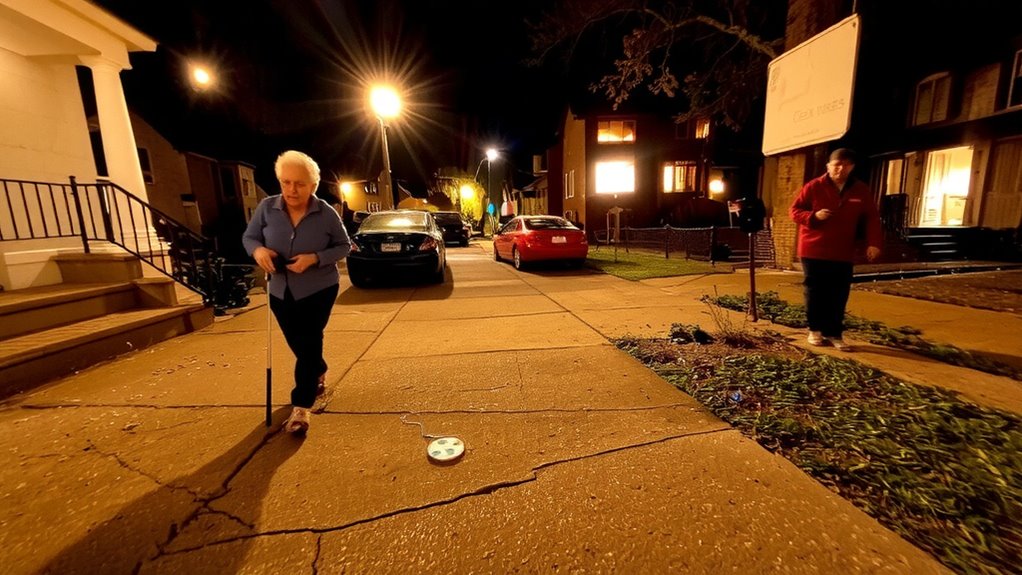
When seconds count, having a system that alerts your community can make the difference in getting timely help. Rapid notifications sent to nearby responders reduce wait times markedly compared to relying solely on traditional emergency services. These alerts activate a network you trust-neighbors, family, or trained volunteers-ensuring someone nearby knows you need assistance. This shared responsibility means help isn’t delayed by distance or busy dispatch lines. Studies show response times drop by up to 60% when community members are involved. Systems offering integration between your Personal Emergency Response System (PERS) and local alert networks provide automatic, real-time updates. Look for services with mobile apps, customizable contact lists, and encrypted messaging to protect privacy. While monthly fees range from $15 to $30, the added speed and reliability offer measurable benefits. Plan wisely by testing alerts regularly and confirming coverage in your area.
When PERS Triggers Bring Neighbors Running
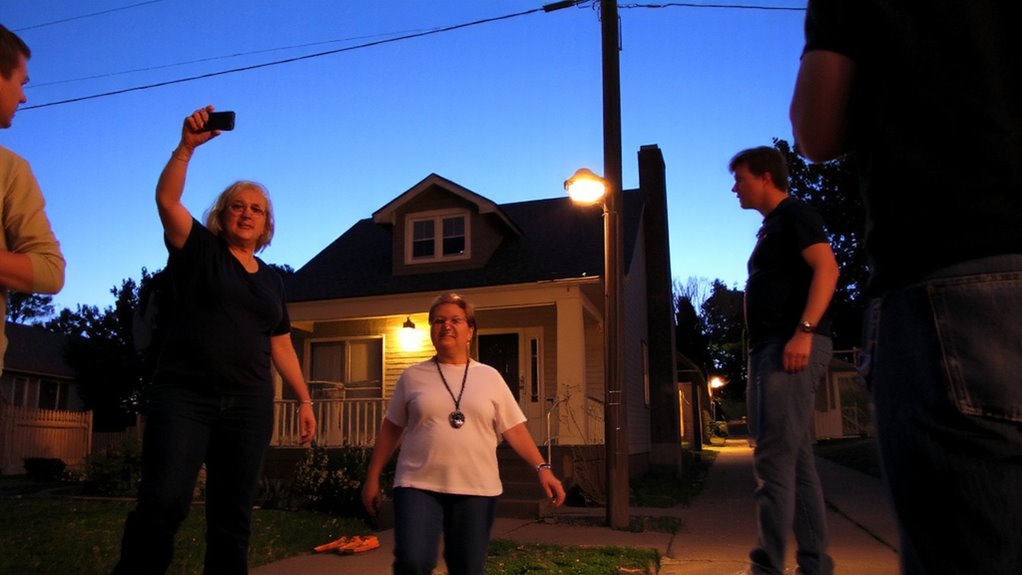
A Personal Emergency Response System (PERS) does more than call for professional help-it can alert your neighbors too, turning your local network into a first-response team. When your system triggers, nearby subscribers receive instant alerts, enabling rapid neighbor response. Studies show nearby help often arrives in under three minutes, especially in tight-knit communities. This works best where local trust is already strong, ensuring people respond without hesitation. You don’t need advanced tech-just a PERS with community alert sharing and willing participants. Drawbacks include potential false alarms and privacy concerns, so clear communication is key. Consider setting up a private group via secure apps linked to your PERS. Monthly costs range from $20–$35, with few extra fees. Plan access carefully: include only trusted neighbors to maintain reliability. Building this system takes effort, but the payoff-faster, more personal emergency support-is measurable and real.
How to Pair PERS With Local Alert Systems
If you want your Personal Emergency Response System (PERS) to work more effectively during crises, linking it to local alert platforms can extend its reach beyond standard monitoring services. First, confirm device compatibility between your PERS and the alert network-some systems only integrate with specific models or brands. Check whether your equipment supports Wi-Fi, cellular, or landline connections, since that affects interoperability. Signal range matters too; if your PERS relies on a home base unit, make certain it reliably reaches emergency contacts and local hubs without interference. Placing the unit centrally can improve performance. Some communities use geofenced alerts, so verify your location is within the coverage zone. Always review setup requirements and ongoing costs, which may include subscription fees or technical support. Testing the link regularly ensures it works when needed.
Tools That Connect You to Help Faster
Because every second counts during an emergency, having tools that connect you to help faster can make a meaningful difference in response times and outcomes. Real time tracking lets responders pinpoint your location instantly, which is especially helpful if you’re unable to speak. When integrated with your Personal Emergency Response System (PERS), this feature guarantees help arrives at the right place without delay. Emergency verification adds another layer of accuracy-trained professionals assess the situation before dispatching aid, reducing false alarms and ensuring resources are used wisely. These tools work best when paired with community alert networks, which notify nearby responders and family members simultaneously. Most systems cost between $20 and $50 monthly, with setup fees under $100. Look for plans offering 24/7 monitoring, GPS tracking, and voice confirmation. Choosing one with both real time tracking and emergency verification improves reliability and speeds up assistance when it matters most.
On a final note
You boost your safety when you pair a personal emergency response system (PERS) with community alerts. PERS devices help, but response times improve markedly with neighborhood notifications. Data show help arrives faster when nearby residents are alerted. Consider systems that link PERS to local alert networks-many offer mobile apps and fall detection. While subscription costs range $20–$50 monthly, the added speed and support can be worth it for peace of mind and quicker aid.