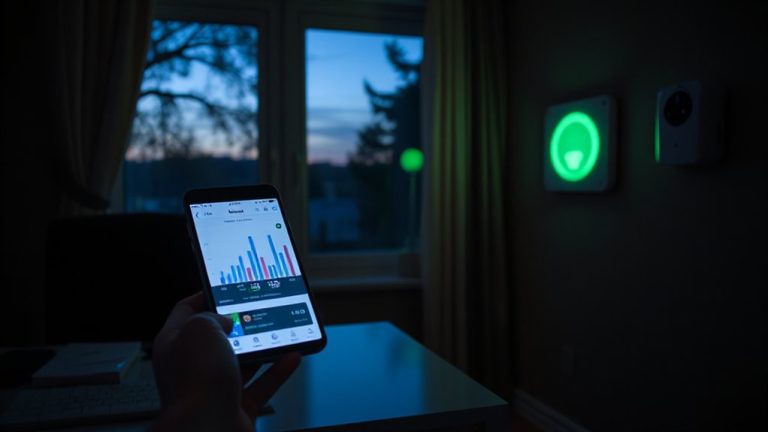
How Carbon Monoxide Detectors With Strobe Alerts Improve Safety for the Hearing Impaired
You’re at risk if your carbon monoxide detector relies only on sound, since hearing loss affects millions and makes audio alarms unreliable, especially during sleep. Strobe lights flash brightly-over 177 candela-to grab attention fast, day or night, even when you’re asleep or in another room. These visual alerts meet ADA and UL 217 standards, work with battery backup, and should be installed on every home level, near bedrooms. Models like First Alert CO615 and Kidde Nighthawk 9CO offer tested reliability, easy maintenance, and some include voice alerts or tamper resistance. Choosing the right strobe detector means faster response and equal protection-key details on top models and placement will help you make the best choice.
Notable Insights
- Strobe alerts provide critical visual warnings that replace or supplement sound alarms for the hearing impaired.
- High-intensity strobe lights exceeding 177 candela ensure visibility in all lighting conditions and room sizes.
- Visual alarms remain effective during sleep, when auditory cues are least detectable by deaf individuals.
- Synchronized strobe and sensor activation delivers immediate, reliable alerts during dangerous CO level increases.
- ADA-approved models like First Alert CO615 and Kidde Nighthawk 9CO offer proven safety with proper strobe functionality.
Why Regular CO Detectors Aren’t Enough for the Hearing Impaired
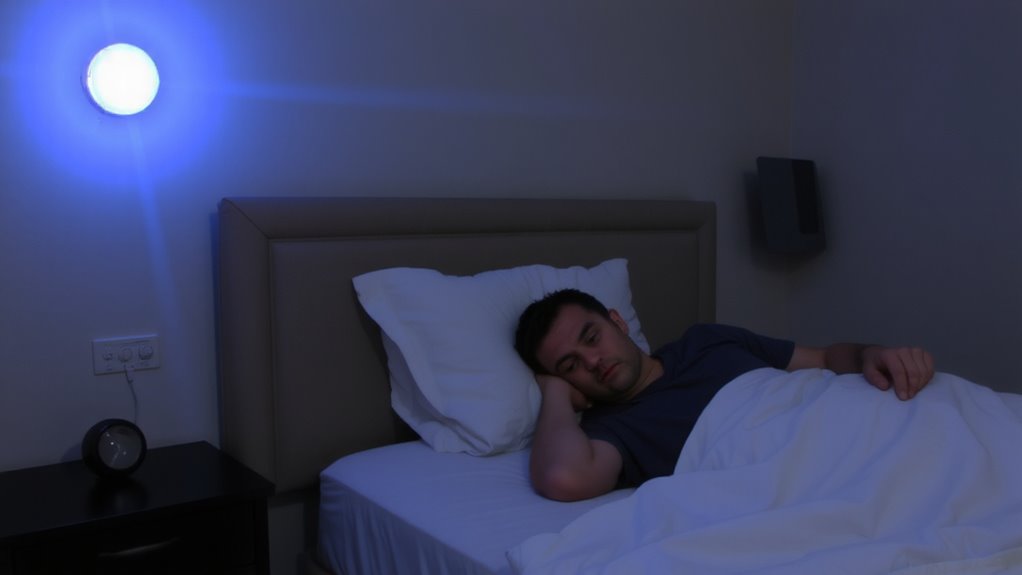
How can you rely on a warning you can’t hear? If you have auditory limitations, traditional CO detectors that depend solely on loud alarms aren’t effective. They rely on sound, which many people with hearing loss can’t detect, especially while sleeping. That’s a serious gap in home safety. Studies show that deaf or hard-of-hearing individuals miss critical alerts without visual alternatives. Strobe lights provide a proven solution, delivering intense flashes that grab attention instantly. These visual alarms activate alongside-or instead of-audio signals, ensuring the warning is received. Look for models with bright, adjustable strobes and UL certification. While they cost slightly more, the added protection is essential. Installing detectors with visual alternatives isn’t just an upgrade-it’s a necessary step for equal safety. Make sure your system accounts for auditory limitations with reliable, visible alerts.
How Strobe Lights Save Lives During CO Emergencies
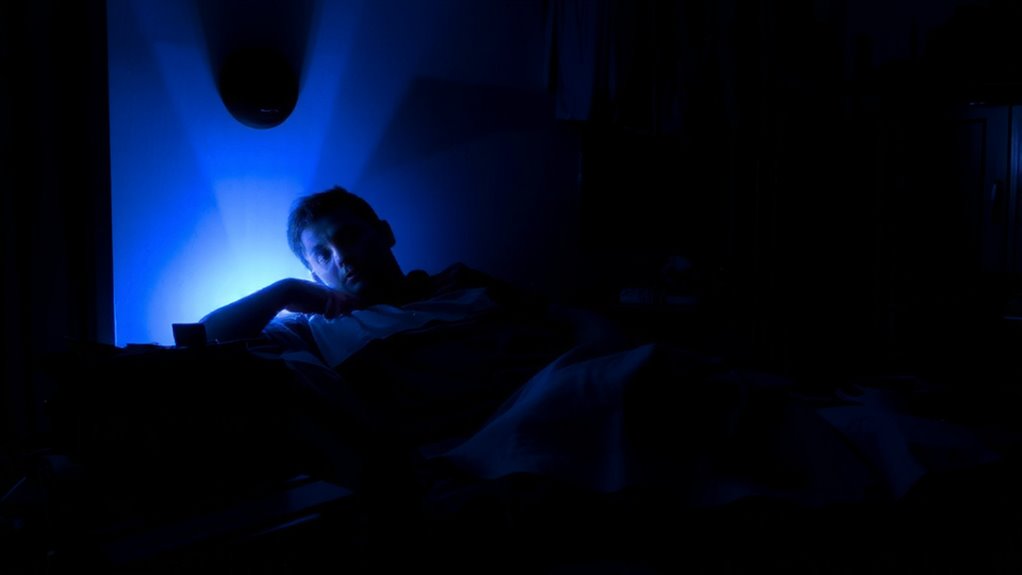
What happens when every second counts, but you can’t hear the alarm? Strobe lights bridge that gap with immediate visual emergency signaling. When CO levels rise, these bright flashes grab your attention fast-day or night. Strobe visibility guarantees you respond even during sleep or in noisy environments.
| Feature | Benefit | Consideration |
|---|---|---|
| High-intensity flash | Clear strobe visibility across rooms | May require wall mounting for best coverage |
| Synchronized with CO sensor | Reliable emergency signaling | Needs regular testing |
| Wide beam angle | Covers larger areas | Battery backup recommended |
These detectors act fast, giving you time to evacuate. Unlike sound, light isn’t lost to silence. With proper placement, strobe alerts greatly increase survival chances during CO emergencies. You’ll know something’s wrong-even if you never hear a beep.
What to Look for in a Strobe CO Detector
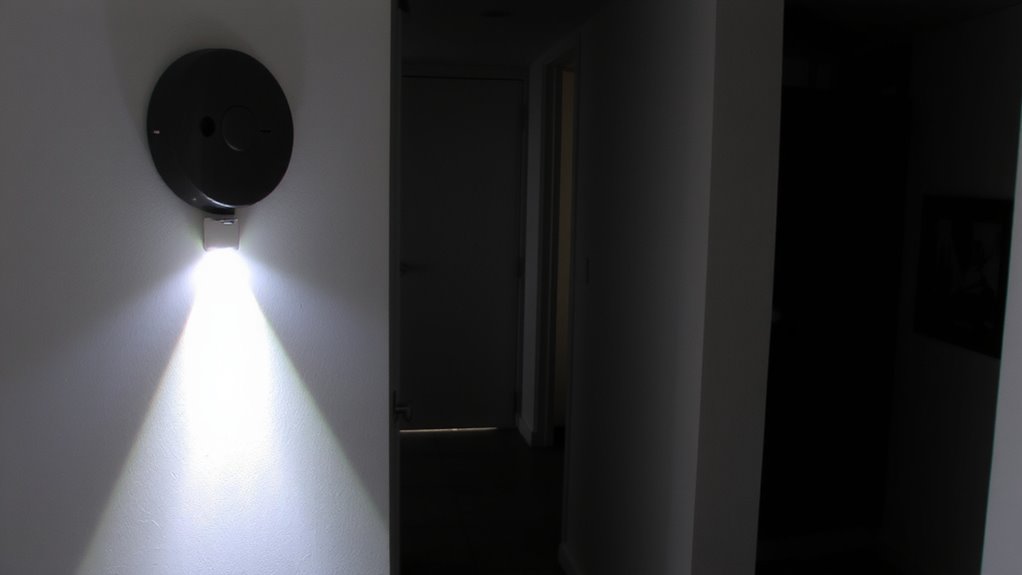
While choosing a strobe CO detector, your safety depends on selecting the right combination of visibility, reliability, and compatibility. Look for a model with high flashing intensity-brighter strobes, like those exceeding 177 candela, are more effective at grabbing attention, especially in well-lit rooms. The light placement matters too; position the strobe where it’s visible from common areas and sleeping spaces, such as hallways or near bedroom doors. Mounting height should follow manufacturer guidelines, usually on the ceiling or high on a wall. Choose units with steady, consistent flashes rather than dim or irregular blinking. Check that the device meets UL 217 safety standards and integrates with other alarms in your home. Battery backup and self-testing features improve reliability. Spending a bit more-typically $40 to $70-often means better performance and peace of mind.
Top ADA-Approved Strobe CO Detectors
You’ll want a strobe CO detector that not only meets ADA requirements but also delivers reliable, visible alerts when every second counts. These models use bright flashing patterns and are designed with visual sensitivity in mind, ensuring they’re effective without causing discomfort. Below are top-rated, ADA-compliant options:
| Model | Key Feature |
|---|---|
| First Alert CO615 | 177 candela strobe, easy battery access |
| Kidde Nighthawk 9CO | Adjustable flash rate, wall-mount stability |
| ULTRA Sensitive Alarm | Extremely bright, ideal for high visual sensitivity |
| Safe Home Pro | Voice alert with flashing patterns, tamper-resistant |
| BRK 4120B | Budget-friendly, consistent flash duration |
Choose one that fits your space and sensitivity needs. Most use rapid flashing patterns proven to grab attention. Consider brightness level and placement to maximize effectiveness. These detectors combine compliance with practical design, offering peace of mind through clear, visible warnings.
Install and Test Your Strobe CO Alarm
Since proper placement and routine testing are critical for reliable performance, installing your strobe CO alarm correctly guarantees it will alert you quickly in an emergency. Follow the manufacturer’s installation guidance to mount the unit at the right height-typically on a wall near the ceiling or on the ceiling itself-and avoid placing it near vents, windows, or humid areas like bathrooms. For best coverage, install alarms near sleeping areas and on every level of your home. Test the strobe and sound functions monthly to verify they respond to CO as expected. Adhering to recommended testing frequency helps catch faults early. Replace the battery annually or use a model with a sealed, long-life battery. Most units last 5–7 years before needing replacement. Check the label for expiration dates and model-specific advice.
On a final note
You need a strobe CO detector if you or someone in your home is hearing impaired, since sound-only alarms won’t provide adequate warning. Strobe lights offer a reliable, visual alert during emergencies, meeting ADA standards for accessibility. Look for models with bright, consistent flashing-usually 110+ candela-and battery backup. Units like the Kidde Nighthawk and First Alert ONELINK are top choices. Install on walls or ceilings, test monthly, and replace every 5–7 years for continued protection.