How to Choose Weatherproof Surveillance Cameras for 24/7 Outdoor Monitoring
Choose weatherproof cameras with at least an IP65 rating to block dust and handle rain, while IP66 or IP67 offers better protection in harsh climates. Pick models rated for extreme temperatures-down to -22°F and up to 140°F-to guarantee year-round operation. Look for IK10 impact resistance and tamper-proof features if vandalism is a concern. Pair strong night vision-30+ meters-with hydrophobic lenses to cut glare in rain or fog. Opt for AI-powered motion detection to reduce false alerts from wind or debris. Wired systems typically last longer and offer more stable performance outdoors than wireless. You’ll find deeper insights into balancing cost and durability with smart installation tips just ahead.
Notable Insights
- Choose cameras with IP66 or IP67 ratings for reliable protection against dust, rain, and temporary water submersion.
- Ensure operating temperature ranges from at least -22°F to 140°F for year-round performance in extreme climates.
- Select models with night vision of 30 meters or more and hydrophobic lens coatings for clear visibility in rain or fog.
- Opt for IK10-rated, vandal-proof cameras with metal housings to withstand physical impacts and tampering.
- Use AI-powered motion detection with adjustable zones to reduce false alerts from weather and environmental movement.
Understand IP Ratings for Weatherproof Cameras
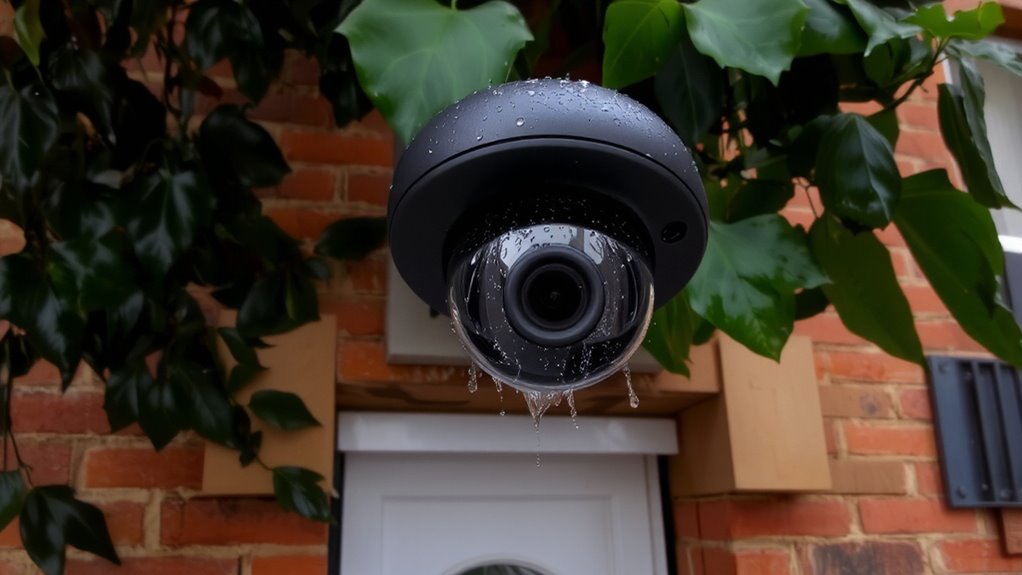
When choosing a weatherproof surveillance camera, understanding IP (Ingress Protection) ratings is essential to guarantee reliable performance in outdoor conditions. The IP meaning refers to a standardized system that classifies how well a device resists dust and water. A rating breakdown shows two digits: the first indicates protection against solids, like dirt or debris, and the second against liquids, such as rain or spray. For outdoor use, aim for at least IP65-dust-tight and protected against water jets. IP66 and IP67 offer even better resistance, handling heavy rain and temporary submersion. Higher ratings don’t always mean better value, though. Check manufacturer test conditions, as real-world performance can vary. Always pair a strong IP rating with proper installation. This secures long-term durability and consistent monitoring, helping you make a data-backed choice without overspending. For reliable 24/7 outdoor monitoring, consider models highlighted in top outdoor security cameras roundups.
Choose Cameras That Survive Extreme Temperatures
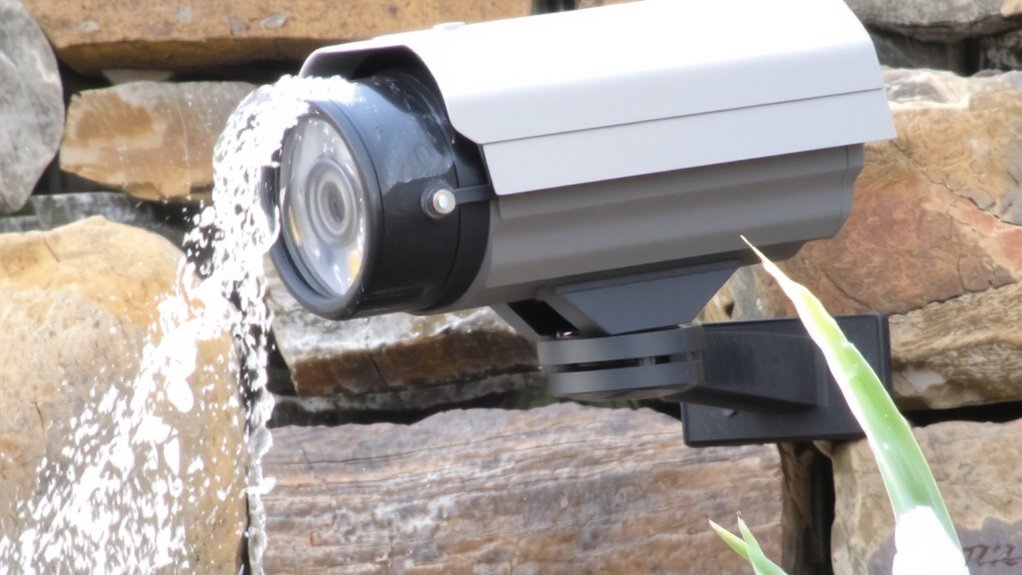
Temperature tolerance matters just as much as weatherproofing when picking outdoor surveillance cameras. You’ll need gear that handles your local climate year-round. Look for heat tolerance ratings of at least 140°F (60°C) to prevent overheating in hot summers. In cold regions, cold endurance down to -22°F (-30°C) guarantees reliable operation during winter. Cameras with wide operating temperature ranges use internal heaters or heat-dissipating materials to maintain performance. Cheaper models often skimp on thermal protection, risking system failures. Always check manufacturer specs, not just marketing claims. A rugged IP66 or IP67 rating with strong heat tolerance and cold endurance gives the best all-weather reliability. Expect to pay more-usually $50–$150-for models built for extremes. Budget options may work in mild climates but fail under stress. Prioritize durability over price if your area faces harsh temperature swings. The best outdoor cameras for cold weather are specifically engineered to perform reliably in freezing conditions.
See Clearly at Night, Even in Bad Weather
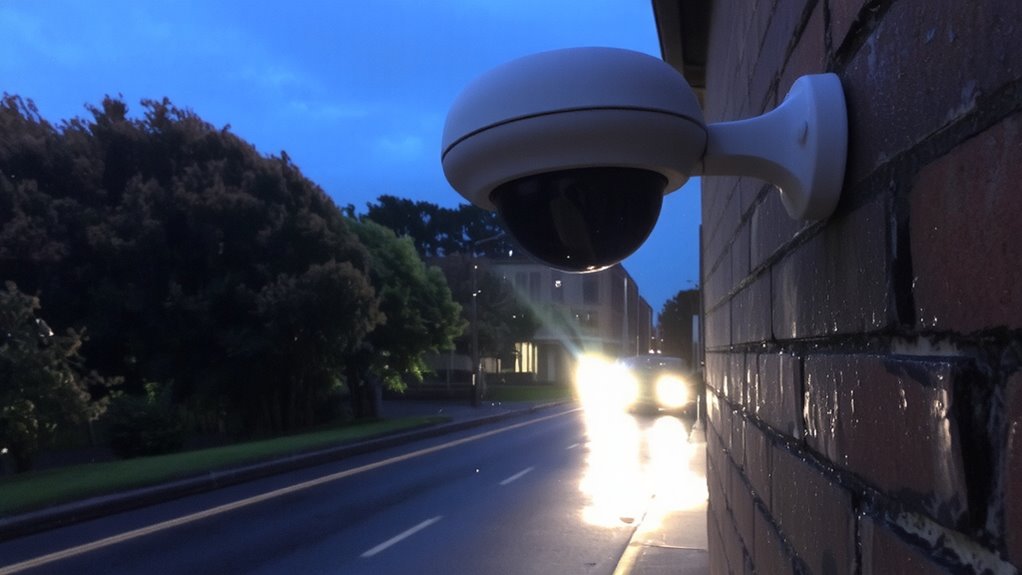
Clear vision in darkness and poor weather isn’t a luxury-it’s a necessity for reliable home security. You need night vision that performs when rain, fog, or snow hits. That’s where strong infrared clarity comes in. Cameras with advanced infrared LEDs offer sharper images at longer distances, helping you spot people or movement even in total darkness. Look for models with at least 30 meters of night vision range and weather-resistant IR lenses to prevent glare and distortion. For optimal indoor monitoring when not using outdoor cameras, consider models with indoor security features that complement your outdoor setup.
| Feature | Why It Matters | Tip |
|---|---|---|
| Infrared clarity | Guarantees sharp night images | Choose 1080p+ resolution |
| Night vision range | Covers more area | Aim for 30–40 meters |
| IR cut filter | Improves color accuracy | Automatic is best |
| Lens coating | Reduces glare in rain | Check for hydrophobic |
| Illumination angle | Wider coverage | Match to your camera’s FOV |
Pick Impact-Resistant Cameras for Outdoor Safety
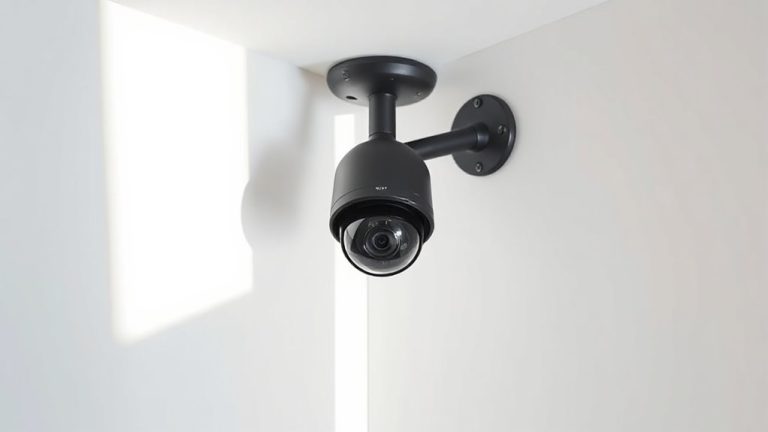
A camera that withstands the elements must also stand up to physical threats, so durability goes beyond weather resistance. You need vandal resistance if your camera is within reach of determined intruders or high-traffic areas. Look for models with IK10 ratings, which means they can survive strong impacts from blunt objects. This level of protection guarantees the camera keeps working even when struck. Tamper proofing is just as important-secure housings, anti-tamper screws, and tilt alarms help prevent sabotage. These features stop thieves from easily disabling or repositioning your camera. Metal casings and recessed lenses further reduce damage risk. While such cameras cost more, usually $10–$30 above standard models, the added security is worth it for outdoor use. Always install them at heights over 9 feet when possible, and pair with motion alerts to detect interference quickly. Choose wisely-your camera’s toughness affects long-term reliability.
Get Reliable Motion Detection in Wind and Rain
How do you keep your security camera from sending false alerts every time the wind blows or rain pours? You need smart motion detection with solid environmental resilience. Modern cameras use AI to distinguish between real threats and False alarms caused by weather. Look for models with adjustable sensitivity and weather filtering to ignore rain, swaying branches, or debris.
| Feature | Benefit | Consideration |
|---|---|---|
| AI Motion Detection | Reduces False alarms | Higher initial cost |
| Weather Shielding | Boosts environmental resilience | May limit field of view |
| Adjustable Zones | Focus alerts on key areas | Requires setup time |
| Dual Sensors | Combines heat and motion | Needs power stability |
| Firmware Updates | Improves accuracy over time | Dependent on brand support |
Choose wisely to guarantee reliable outdoor performance.
Access Your Weatherproof Camera From Anywhere
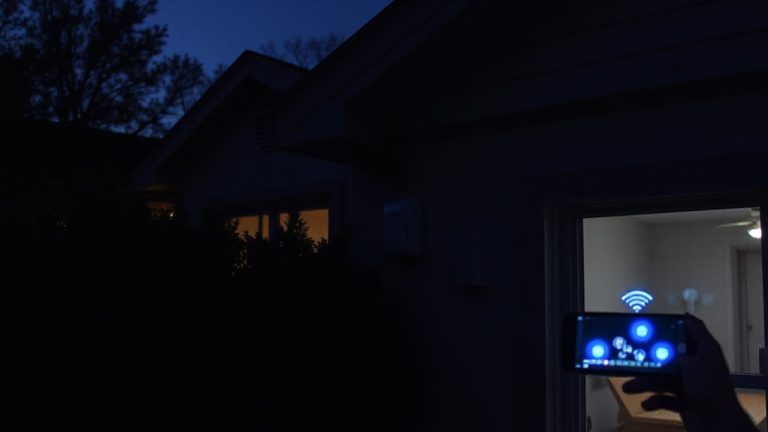
Why should you be limited to checking your property only when you’re nearby? With remote access, you can monitor your weatherproof cameras from anywhere using a smartphone, tablet, or computer. Look for models that support real time streaming, so you see what’s happening the moment it occurs. Most reliable systems use secure apps with encrypted connections, protecting your video feed from unauthorized access. Remote viewing requires stable internet both at home and on your device. Keep in mind, higher video resolution improves clarity but uses more data. Some cameras offer local storage alongside cloud options, giving you flexibility. Guarantee the camera’s app is user-friendly and allows multiple user access if needed. Confirm the manufacturer provides firmware updates to maintain performance and security over time.
Wired vs. Wireless: Which Lasts Longer Outside?
While wireless cameras offer easier installation and flexible placement, wired models generally last longer and perform more reliably in harsh outdoor conditions. You’ll face fewer issues with signal interference, which can disrupt wireless feeds, especially in areas with heavy Wi-Fi traffic or thick walls. Wired cameras draw continuous power, eliminating concerns over battery degradation-a common problem in wireless units exposed to extreme temperatures. Over time, frequent charging cycles reduce battery life, meaning you’ll replace or recharge them often. Wired systems also provide more stable, consistent video quality without lag. Though installation takes more effort and may require professional help, the long-term durability makes wired cameras a smarter investment for 24/7 monitoring. Expect higher upfront costs but lower maintenance. If reliability and longevity are your priorities, choose wired.
On a final note
You should choose weatherproof cameras with an IP66 rating or higher to block dust and moisture. Pick models that work in temperatures from -20°F to 120°F. Look for infrared or color night vision that cuts through rain and fog. Impact-resistant housings protect against tampering. Smart motion detection reduces false alerts from wind or rain. Most top models offer remote access via apps. Wired cameras are more reliable long-term, though wireless ones install faster.