Step-by-Step Breakdown of How Monitoring Operators Verify Fire Alarms Before Emergency Calls
When your alarm triggers, the signal goes to a monitoring center via cellular, internet, or landline-cellular being most reliable during outages. Operators check which device activated and review system history for red flags. They call your building to confirm your identity and ask about smoke or fire. If unreachable, they use video feeds or contact trusted parties. Visual or verbal confirmation leads to immediate dispatch. False alarms often stem from malfunctions or user error, so verified alerts follow strict protocols. Newer systems with cameras reduce response time and improve accuracy-knowing your setup’s strengths helps you respond faster. Features like 24/7 monitoring and dual-signal verification increase reliability, though landlines pose risks during power failures. Understanding how verification works guarantees you’re prepared when seconds count.
Notable Insights
- Operators first confirm the alarm signal origin by checking the specific detector and zone that triggered the alert.
- They analyze system history and multiple sensor activations to assess the likelihood of a real fire.
- Immediate contact is attempted with building occupants to verify conditions like visible smoke or fire.
- Video feeds are reviewed when available to visually confirm flames or smoke before dispatching emergency services.
- If unable to verify, trusted contacts are called or dispatch is initiated based on risk and protocol.
How Alarm Signals Reach Monitoring Centers
An alarm signal starts its journey the moment your smoke detector or heat sensor detects a potential fire. That signal triggers a process designed to alert emergency responders fast. Through signal transmission, your system sends data from the sensor to a control panel, which then forwards it to a monitoring center. This transfer relies on communication protocols-standardized rules guaranteeing accurate, secure delivery. Most systems use cellular, internet, or landline connections, each with pros and cons. Cellular is reliable during power outages. Internet-based transmission works well but depends on network stability. Landlines are common but vulnerable to outages. Choosing the right method affects response speed and system reliability. Always confirm your provider uses redundant transmission paths. That way, if one fails, another takes over. Planning around these features improves safety. Proper setup backed by solid protocols guarantees your alarm reaches the monitoring center quickly and correctly every time.
How Operators Verify Alarm Sources
Once the signal reaches the monitoring center, trained operators begin verifying the alarm source to confirm whether a real threat exists. You’ll see they check the specific zone and device that triggered the alert, reviewing system history and recent activity. False alarms often stem from equipment malfunctions, environmental factors, or user error, so operators analyze patterns to assess credibility. They examine whether the sensor has acted up before or if multiple devices activated simultaneously-key indicators of a genuine emergency. If the signal aligns with known malfunction trends, they’ll flag it accordingly. This verification helps reduce unnecessary dispatches, saving time and public resources. Though reliable, the process isn’t perfect; occasional glitches slip through. Still, data shows verified signals improve emergency response accuracy. Operators use this evidence-based method to make quick, informed decisions every time.
Calling the Building to Confirm the Alarm
After analyzing the alarm signal and checking for patterns that suggest a false trigger, operators often pick up the phone to call the building directly. You’ll be contacted immediately so they can assess the situation using your firsthand account. Confirming caller identity is essential-operators verify who they’re speaking with to guarantee accurate information. They’ll ask clear, quick questions to determine alarm clarity, like whether smoke is visible or if the system is sounding throughout the building. Your responses help them decide whether to dispatch emergency services or mark it as a false alarm. If you’re unreachable, they proceed based on risk level and protocol. This step reduces unnecessary fire department trips and guarantees faster help when truly needed. Speed and accuracy matter, so keep emergency contacts updated.
Using Cameras or Contacts for Second-Party Confirmation
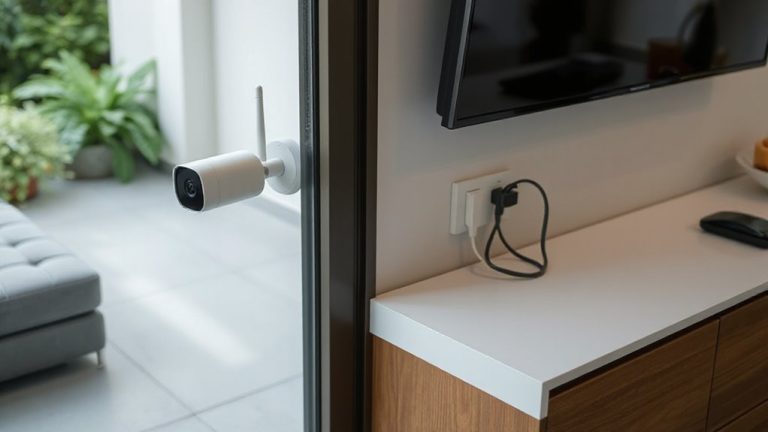
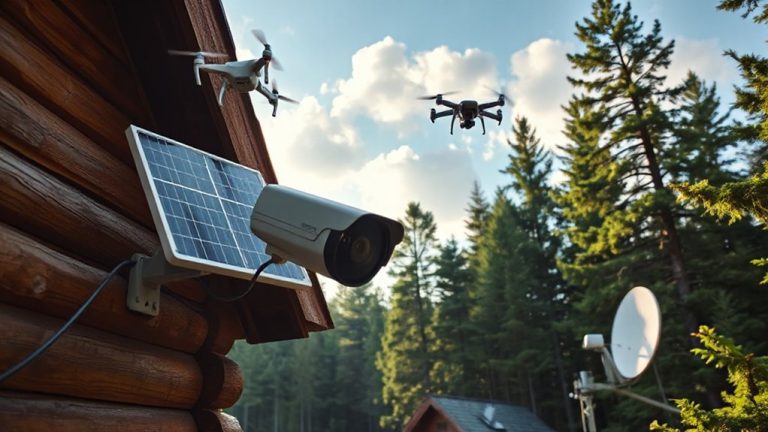
How can you be sure the alarm isn’t a false trigger when you’re not on-site? You rely on video verification and live feed analysis. Monitoring operators use cameras or contact trusted parties to confirm real threats. Video feeds let them see smoke, flames, or activity, reducing unnecessary dispatches. Live feed analysis helps distinguish cooking smoke from actual fires. When cameras aren’t available, they call a backup contact listed in your plan. A reliable setup often includes investing in the best home security cameras for consistent video quality and connectivity.
| Method | Pros | Cons |
|---|---|---|
| Video verification | Direct visual proof, fast confirmation | Requires working cameras and internet |
| Live feed analysis | Real-time assessment, reduces false alarms | Needs trained staff and system access |
| Contact verification | Works without cameras | Delays if contact unreachable |
When Dispatch to Fire Departments Is Required
When visual or contact verification confirms an active fire, dispatching emergency services becomes necessary to guarantee safety and limit property damage. You must act quickly, but only after ruling out false alerts caused by equipment malfunctions or user error. Monitoring operators rely on camera feeds, sensor data, and live calls to verify threats before initiating dispatch. If smoke, flames, or high heat are confirmed, emergency crews are sent immediately. Delaying dispatch without confirmation risks lives, but sending help unnecessarily strains resources and increases false alert rates. Equipment malfunctions, like failing detectors or wiring issues, account for many unverified alarms. Regular maintenance reduces these risks. You should test your system monthly and replace outdated components. A verified alarm with visual or verbal confirmation is the standard for dispatch. This process balances response efficiency with accuracy, keeping communities safe while minimizing false calls. Your diligence supports faster, smarter emergency responses.
On a final note
You can trust that operators follow strict steps before calling the fire department. They check alarm sources, contact the building, and use cameras or contacts to confirm. False alarms happen, so verification reduces unnecessary dispatches. This process keeps emergency services available for real threats. Always maintain your system and share emergency contacts. It’s reliable, efficient, and backed by protocol.