Integrating Smart Home Security With Personal Emergency Response Systems
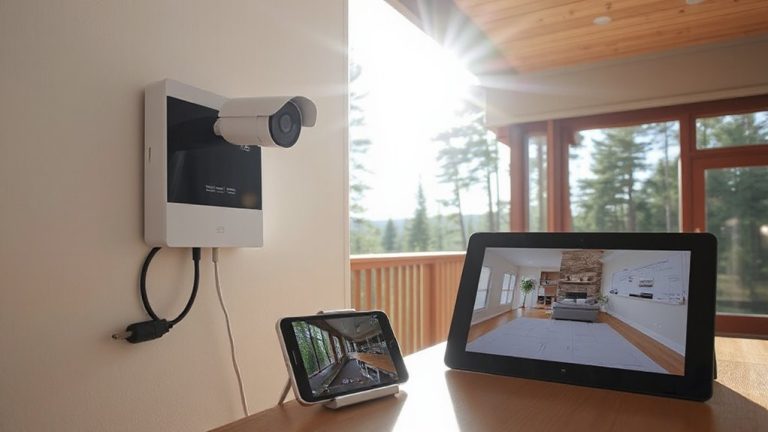
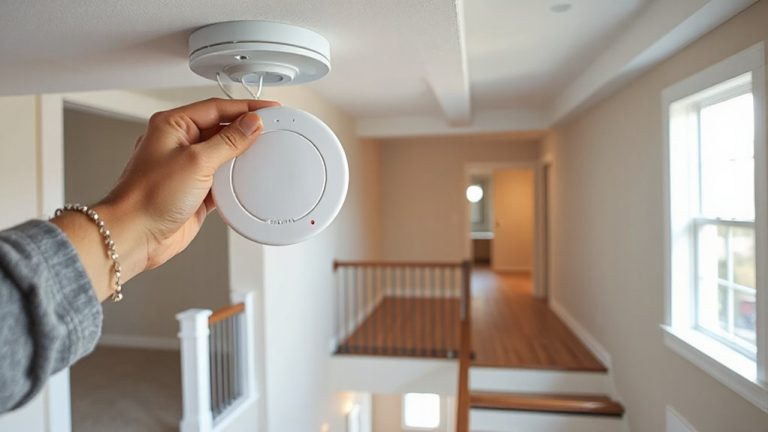
You can integrate smart home security with personal emergency response by linking sensors, cameras, and medical wearables-like fall-detection pendants-to a central hub that triggers alerts during crises. Choose a hub with Z-Wave, Zigbee, or Wi-Fi support and backup power to guarantee uptime. Systems often cost $200–$600 upfront, with $15–$40 monthly monitoring fees. Flashing lights, voice warnings, and automatic 911 calls improve response times. Top models include Samsung SmartThings and Philips GoSafe 2. Secure your system with encryption, strong passwords, and WPA3 Wi-Fi. Most users find dual-path communication (Wi-Fi plus cellular) reduces false alarms and boosts reliability. Verified monitoring services, like UL-certified centers, provide faster emergency dispatch. Setup complexity varies, but regular testing improves accuracy. Key considerations include device compatibility, ease of use, and integration with existing health tools. You’ll discover how to tailor these systems to specific home layouts and emergency scenarios.
Notable Insights
- Ensure all devices are compatible with a central hub that supports both security and medical alert systems.
- Use a hub with cellular backup and battery power to maintain operation during outages.
- Integrate wearable medical devices like fall-detection pendants with smart home alerts for faster emergency response.
- Enable automated actions such as flashing lights or voice alerts when an emergency signal is triggered.
- Protect personal data with end-to-end encryption, strong passwords, and two-factor authentication on all connected devices.
What Is Smart Home Emergency Response Integration?
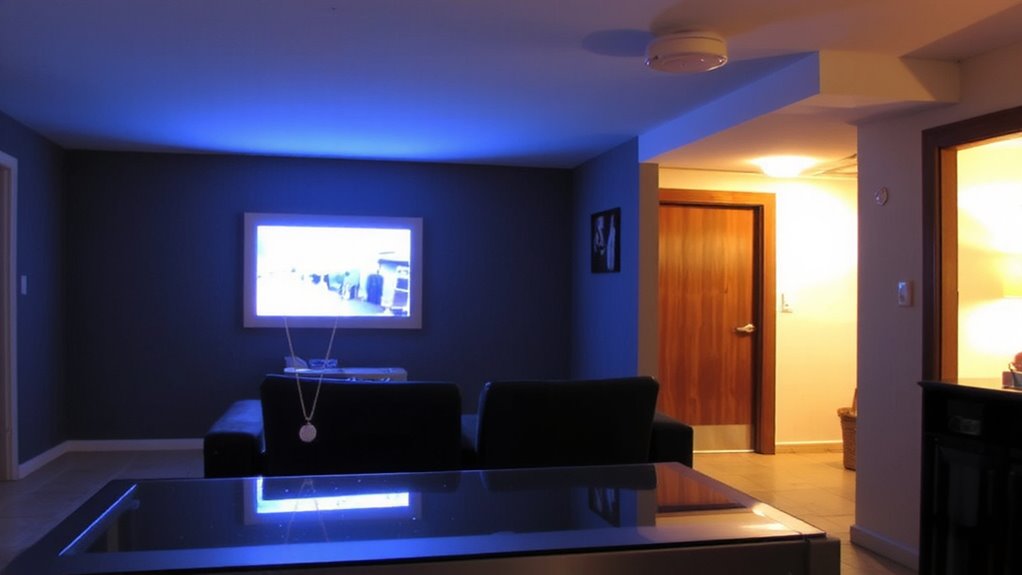
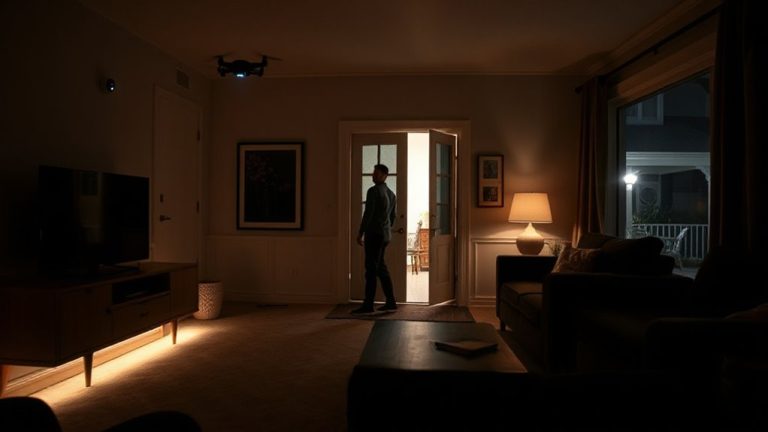
While you might think of smart home tech mainly as a way to control lights or adjust the thermostat, one of its most valuable uses is linking security systems with emergency response. You can integrate sensors, cameras, and medical alert devices so help is summoned automatically when danger is detected. Device compatibility is essential-ensure all parts, like door sensors and wearables, work with the same hub or platform. System redundancy improves reliability; if one connection fails, backups like cellular or battery power keep the system online. Most systems use Wi-Fi, but dual-path communication (Wi-Fi plus cellular) reduces outage risks. Look for UL-certified monitoring services that contact emergency personnel on your behalf. Setup costs range from $200–$600, with monthly fees from $15–$40. Test your system monthly and update software regularly to maintain performance and security.
How Emergency Alerts Activate Smart Home Actions
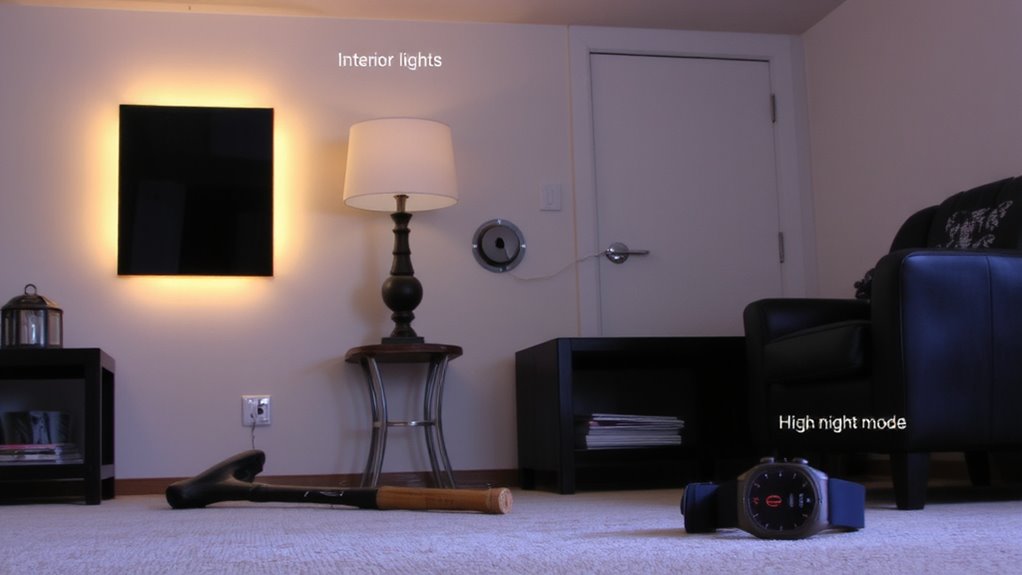
When an emergency alert is triggered, your smart home can respond automatically by activating preset actions across connected devices, helping to keep you and your household safer. Voice alerts notify everyone in the home, while motion triggers can confirm occupancy or detect unusual movement. These responses are customized based on your security setup and emergency type.
| Action | Purpose |
|---|---|
| Lights flash | Draws attention and deters threats |
| Voice alerts play | Provides clear instructions or warnings |
| Motion triggers activate alarms | Confirms movement during emergencies |
Systems use data from sensors and user profiles to decide responses, improving reaction speed and accuracy. Most platforms let you adjust sensitivity and actions through an app. While reliable, false alarms can occur if motion triggers are overly sensitive. For best results, pair voice alerts with visual cues and test settings monthly. Integration works across brands, but check compatibility before buying.
Best Devices for Smart Home Health and Safety Monitoring
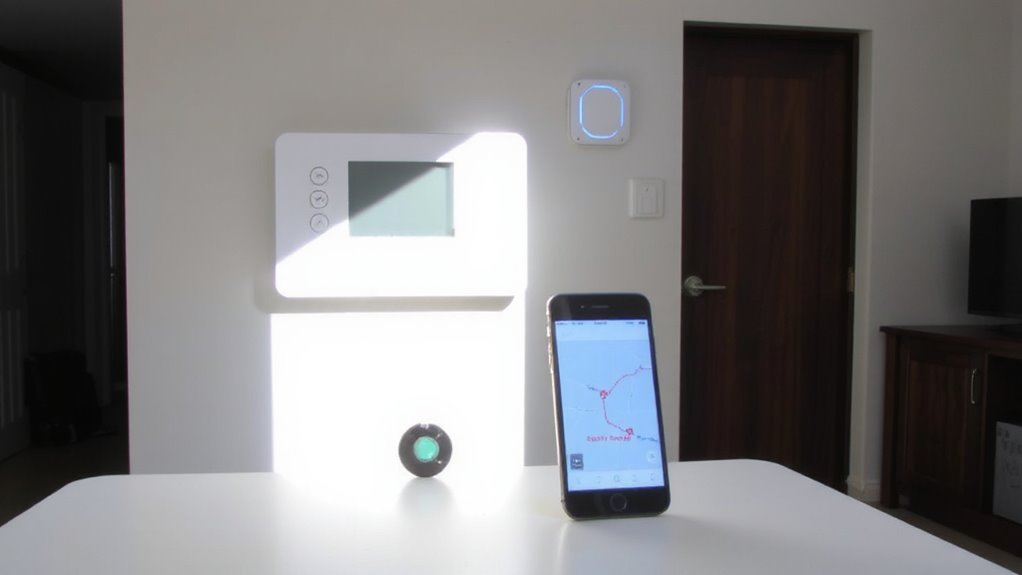
You’ve seen how emergency alerts can trigger lights, voice warnings, and motion-based alarms to protect your home, but monitoring health and safety goes beyond emergency responses. Devices with fall detection, like wearable pendants or smartwatches, use sensors to detect sudden drops in movement and alert caregivers or emergency services. They’re especially helpful for older adults living alone. For medication reminders, smart pill dispensers and voice assistants deliver timely alerts, some locking compartments to prevent double doses. Look for models that sync with smartphone apps so you can track adherence. Popular options include Philips GoSafe 2 for fall detection and Hero Lab’s dispenser for medication management. While fall detection devices typically cost $30–$50 monthly, including monitoring, medication tools range from $50–$300 upfront. Choose based on reliability, ease of use, and integration with existing systems, but avoid pairing yet-syncing comes later. Top picks for senior safety include best personal alarms that combine fall detection and two-way communication.
Pick a Hub That Syncs Security and Emergency Systems
Since your security and emergency devices need to communicate seamlessly, choosing the right hub is essential for making everything work together. You’ll want strong device compatibility so your cameras, sensors, and medical alert wearables can connect without issues. Look for hubs that support common protocols like Z-Wave, Zigbee, or Wi-Fi to guarantee broader integration. System reliability is just as important-your hub shouldn’t crash during power outages or internet disruptions. Choose models with backup batteries and cellular failover for continuous operation. Hubs like Samsung SmartThings and Hubitat Elevation offer solid performance, but test them with your specific devices. Keep in mind subscription costs and technical setup-some require more skill than others. Prioritize ease of use, uptime, and verified performance over flashy features. A dependable hub keeps your home both secure and ready in a crisis. Top models often include support for both local and cloud-based automation, ensuring best smart home hubs remain functional even when internet connectivity is lost.
Real-Life Emergencies Where Smart Homes Respond Faster
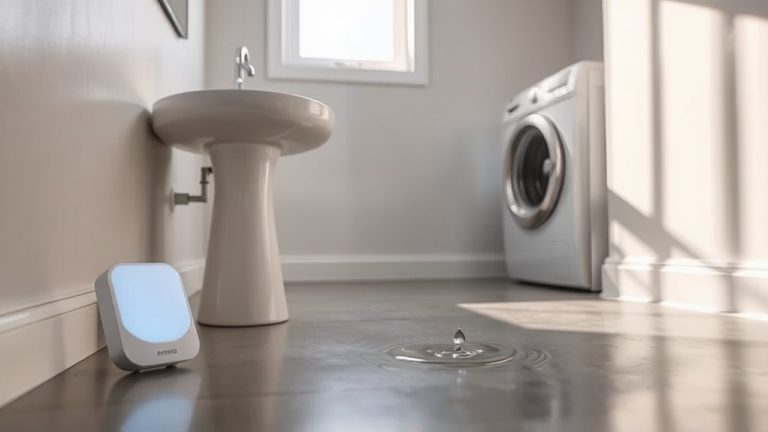
A well-chosen hub keeps your devices talking, but what matters most is how fast they respond when something goes wrong. In real emergencies, smart homes act faster than humans-automatically alerting authorities and loved ones. Flood detection shuts off water and sends alerts before major damage. Fire response triggers alarms, notifies emergency services, and turns on lights for safe exit.
| Emergency Type | Response Time (Seconds) | Key Action |
|---|---|---|
| Fire | 10 | Alert fire department, activate strobes |
| Water Leak | 15 | Close main valve, notify homeowner |
| Carbon Monoxide | 8 | Sound alarms, open windows |
| Medical Alert | 5 | Call emergency contacts |
| Break-in | 7 | Activate siren, stream camera feed |
These systems deliver faster flood detection and coordinated fire response, giving you critical time when it counts most.
How to Secure Your Smart Emergency Response System
Smart emergency response systems only work as well as their security allows, so protecting them from hackers is essential. You should always choose devices that use data encryption to safeguard your personal information during transmission. Without it, sensitive health or location data could be exposed. Enable automatic firmware updates, too-these patches fix vulnerabilities that attackers might exploit. Manufacturers release updates regularly, and skipping them puts your system at risk. Use strong, unique passwords and avoid default login credentials. If your system supports two-factor authentication, turn it on. Wi-Fi networks should be password-protected with WPA3 encryption if possible. Position your emergency devices so signals aren’t easily blocked, and test them monthly. Check if your provider stores data in the cloud, and confirm their security practices. Balancing ease of use with solid protection isn’t optional-it’s necessary for reliable, secure emergency support.
On a final note
You can make your home safer by linking smart security with emergency response systems. Devices like fall sensors and wearables trigger alerts, turning on lights or opening doors for help. Choose a hub that supports both security and medical alerts, such as those from ADT or Resideo. These systems respond faster than calling 911 manually. Always enable encryption and update firmware to protect privacy. While setup costs range from $200–$600, the reliability and speed offer measurable benefits.