How Smart Home Integration Can Improve Overall Safety and Security
Smart home integration boosts your safety with coordinated defenses like motion sensors, window alarms, and cellular backup, starting at $20/month for monitoring. Smart lights mimic occupancy using schedules or app control, cutting break-in risks. Smart locks let you lock doors remotely, track access, and share digital keys. AI cameras cut false alerts by 80% by recognizing people and pets. Real-time alerts trigger lights, alarms, or locks instantly, while voice commands enable hands-free emergency responses-features that work together to keep your home secure, with more insights ahead on choosing the right setup.
Notable Insights
- Smart security systems use motion sensors and window alarms to detect intrusions and send instant alerts to your phone.
- Smart lighting deters burglars by simulating occupancy through automated or remote-controlled lighting schedules.
- Smart locks allow remote access control, auto-locking, and real-time entry logs for enhanced door security.
- AI-powered cameras reduce false alarms by identifying people, pets, and objects using intelligent recognition technology.
- Integrated real-time alerts trigger automated responses like flashing lights, alarms, and emergency notifications across connected devices.
Stop Break-Ins Before They Start With Smart Security
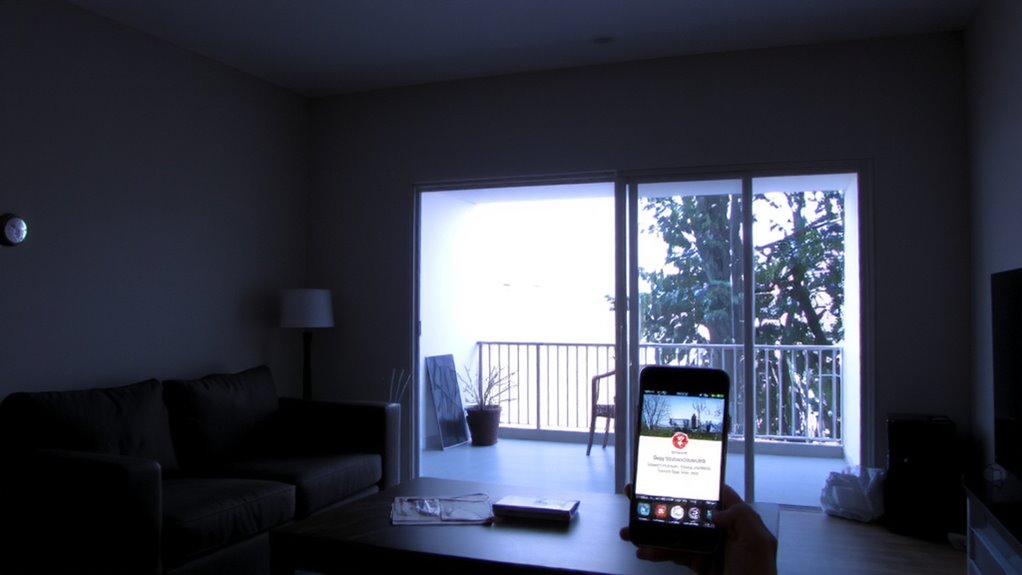
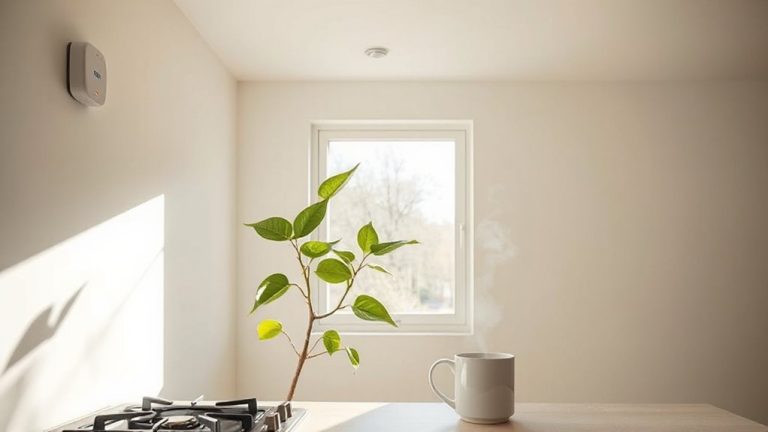
While you can’t predict when a break-in might occur, modern smart security systems give you the tools to reduce risk before an incident happens. Motion sensors detect movement around your home, sending real-time alerts to your phone if someone approaches. They’re reliable, especially when placed near entry points, and many systems let you adjust sensitivity to avoid false alarms. Window alarms add another layer, triggering instantly if a window is opened. These devices work together to cover vulnerable spots. Most kits include both, with easy DIY setup and monthly monitoring plans starting around $20–$40. While professional installation costs more, self-installed systems save money and still offer strong protection. Look for models with cellular backup, so your system stays online during outages. With motion sensors and window alarms integrated into a single network, you gain a thorough defense that’s proven to deter intruders and increase response speed. For the most effective protection, consider reviewing the top picks for household alarms to find a system that matches your home’s needs.
Make Your Home Look Occupied With Smart Lights
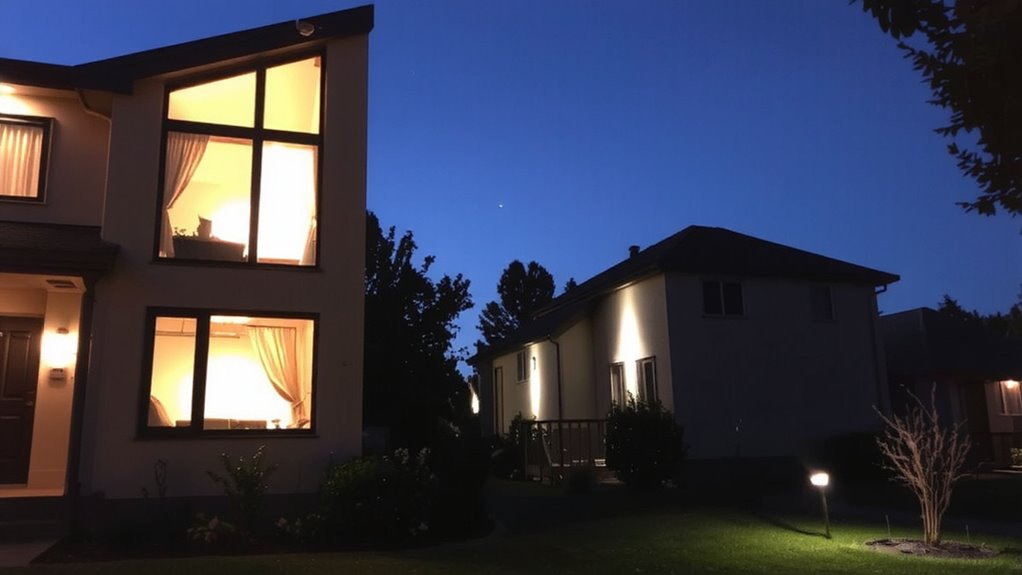
A well-lit home is less inviting to intruders, and smart lights give you precise control to make your house look lived in-even when you’re not there. With light scheduling, you can program lights to turn on and off at specific times, mimicking your usual routine while you’re away. This simple automation deters potential break-ins by creating the impression of occupancy. Most systems let you adjust schedules remotely via an app, so you can respond to last-minute travel changes. Smart lights also support energy efficiency by reducing unnecessary usage-only turning on when needed. Many models use LED technology, which consumes less power and lasts longer. Setup is typically easy, with costs ranging from $20–$60 per bulb. While initial investment is higher than traditional bulbs, the long-term savings and security benefits make them a practical choice for most homeowners.
Lock (And Unlock) Your Door From Anywhere With Smart Locks
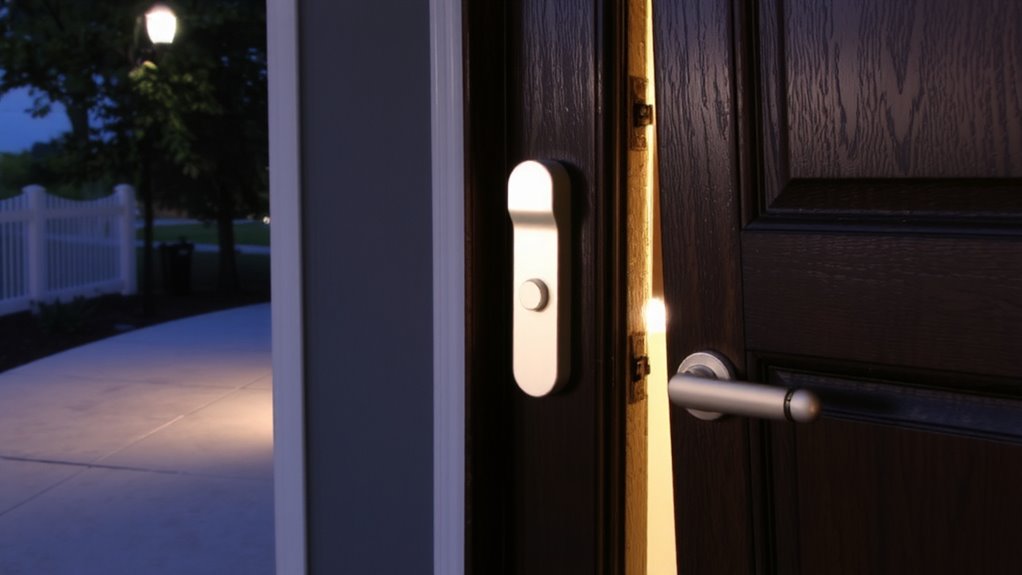
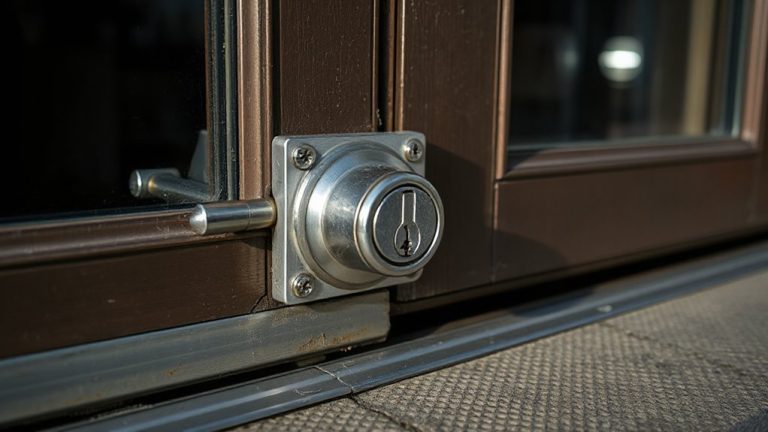
What if you could lock your front door from the office or let your dog walker in without a key? With smart locks, you get remote access and keyless entry, boosting both convenience and security. These locks integrate with your home system, so you can control them via smartphone or voice commands. You’ll know who enters and when, and you can revoke access instantly. Top models offer advanced features like auto-lock functionality for added peace of mind.
| Feature | Benefit |
|---|---|
| Remote access | Lock or operate from anywhere |
| Keyless entry | No physical keys to lose or copy |
| Integration | Works with alarms, lights, voice assistants |
Most models run on batteries lasting 6–12 months. Expect to pay $100–$250 per lock, plus possible installation fees. Choose one with encryption and auto-lock features for best results.
AI Cameras That Know When to Alert You
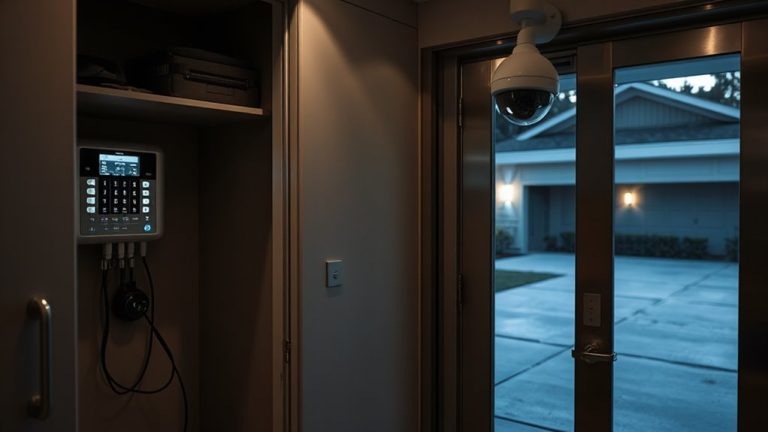
Ever wonder why your security camera sends alerts for every passing car or swaying tree? Older models trigger alarms for any motion, overwhelming you with useless notifications. Modern AI cameras fix this with smart object recognition and precise motion tracking. They can tell the difference between a person, a pet, or a delivery package. You’ll only get alerts that matter, reducing false alarms by up to 80%. Most systems use cloud-based learning to improve accuracy over time. Some work locally, protecting your privacy and avoiding data delays. Look for models with adjustable sensitivity and zone detection, so you control where monitoring focuses. Prices range from $100 to $250 per camera, with optional subscription plans for advanced features. Though initial costs exist, the drop in false alerts makes AI cameras a reliable choice. They’re a smart upgrade when building a safer, more efficient home security setup. For top performance, consider best security cameras that balance AI features with reliability.
How Instant Alerts Stop Threats in Real Time
Once your AI camera identifies a real threat, it triggers instant alerts that land on your phone, tablet, or smart display within seconds. This real time monitoring means you’re notified the moment unusual activity occurs, whether it’s an unfamiliar face at the door or a break-in attempt. With automated responses, your system can flash lights, sound alarms, or lock doors without you lifting a finger. These actions can scare off intruders and reduce damage. Most systems sync across devices, so alerts keep coming until acknowledged. Reliable internet and proper camera placement improve accuracy and speed. While false alerts can happen, AI reduces them by learning normal patterns. Subscriptions often range from $3 to $10 monthly for full features. Instant alerts give you faster awareness and control-critical minutes matter, and real time action makes a measurable difference in home security outcomes.
Call for Help Using Voice Commands
How quickly can you get help when every second counts? With voice activation, you can request emergency assistance instantly-no need to find a phone or press buttons. Just say a preset command, and your smart device contacts emergency services or alerts family members. Most systems work even if you’re unable to reach a phone, making them reliable for seniors or people with mobility challenges. Voice commands integrate with existing security systems and work day or night. While background noise can sometimes interfere, modern devices use advanced recognition to reduce errors. Choose a system that supports multiple voice profiles and confirms commands aloud. Testing response time monthly guarantees reliability. Though not a replacement for calling 911 directly, voice activation adds a fast, hands-free layer of protection. Setup is simple and often costs nothing extra if you already own a smart speaker.
Pick the Best Smart Security System for Your Home
What makes one smart security system better than another for your home? It comes down to system compatibility and installation flexibility. You’ll want a system that connects seamlessly with your existing smart devices, like lights, locks, and voice assistants-ensuring automation works without glitches. Look for platforms that support widely used protocols like Zigbee or Z-Wave. Installation flexibility matters too, especially if you rent or can’t hardwire equipment. Many top systems offer DIY setup with wireless sensors and easy app guidance, saving you money and time. Some include professional installation if you prefer expert help. Consider monitoring options: self-monitoring is cheaper, but 24/7 professional monitoring offers faster emergency response. Read customer reviews and check warranty terms. Balance features, ease of use, and long-term costs to find the best fit for your household’s security needs.
On a final note
You can boost your home’s safety with smart integration. Smart locks, lights, and cameras help deter break-ins and let you monitor activity remotely. Systems with AI detect real threats, reducing false alerts. Voice commands and instant notifications add fast response options. While upfront costs range from $200–$600, the investment improves security over time. Choose systems with strong encryption and 24/7 monitoring for best results.