Creating a Customized Home Defense Plan Tailored for Elderly Family Members
You’re more at risk at home as you age, not from crime, but from slower reactions and balance issues-over 1 in 4 seniors fall yearly. Use voice-controlled lights and locks to simplify security. Install automatic door locks and dual-pane windows with deadbolts for safety without blocking exits. Set up wireless sensors that alert your phone or a monitoring center during emergencies, costing $20–$50 monthly. Plan two wide escape routes, preferably on one floor, with grab bars and non-slip flooring. Involve family in clear, practiced roles. Monthly 5–10 minute drills build confidence-there’s more to get right with smart, stress-free preparation.
Notable Insights
- Install voice-controlled smart lighting to reduce fall risks and deter intruders without complex manual operations.
- Use automatic door locks and reinforced entry points to enhance security while minimizing physical effort for seniors.
- Set up wireless emergency alert systems with motion and glass-break sensors linked to caregivers or monitoring services.
- Design two accessible, well-lit escape routes with non-slip flooring and grab bars to support mobility during emergencies.
- Conduct brief monthly safety drills and maintain a clear, written plan shared with family and caregivers for consistency.
How Aging Affects Home Safety Decisions
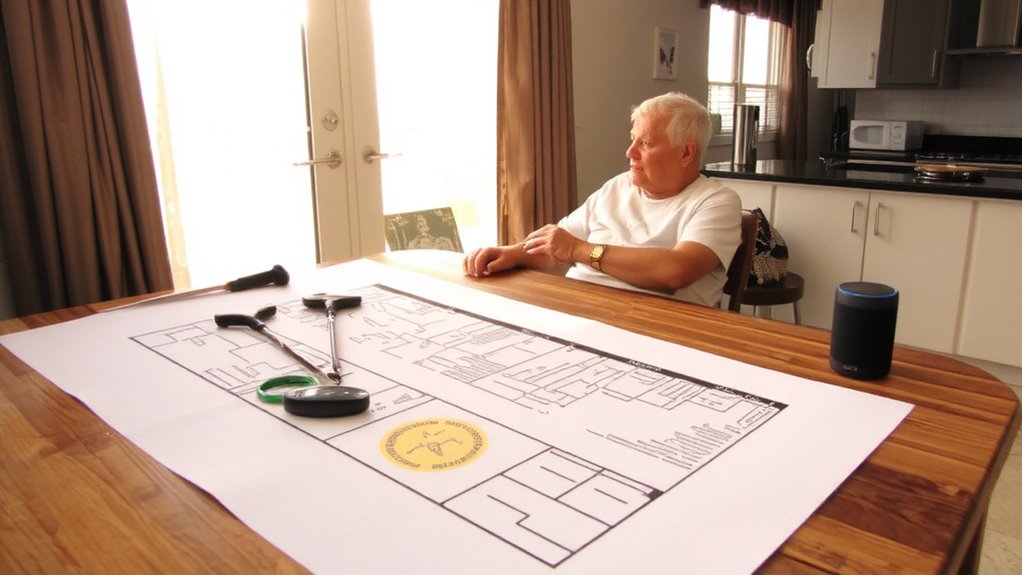
While aging naturally brings changes that affect mobility, vision, and reaction time, it also reshapes how you should think about home safety. You may face cognitive decline, making it harder to remember routines or respond quickly during emergencies. Reduced reaction time increases risk, especially when dealing with unexpected intruders or sudden hazards like fires. These factors mean traditional safety strategies might not work as well for you. For example, complex locks or fast-moving escape plans could become difficult to manage. Studies show older adults are more vulnerable to falls and confusion under stress. That’s why safety plans must adapt-focusing on simplicity, consistency, and clarity. Consider automatic lighting, monitored alarms, and easy-to-use entry systems. Avoid overcomplication. Prioritize solutions that match your current abilities, ensuring reliability without relying on quick decisions or memory recall. Planning now reduces risk later. Incorporating a personal safety device can significantly enhance independence and emergency response for seniors living alone.
Pick Simple Security Tech for Seniors
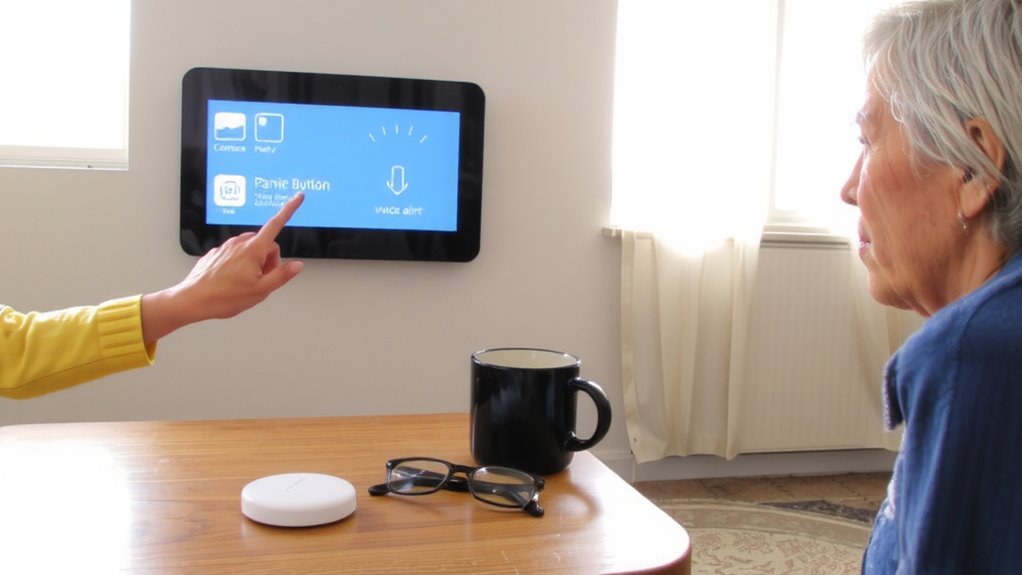
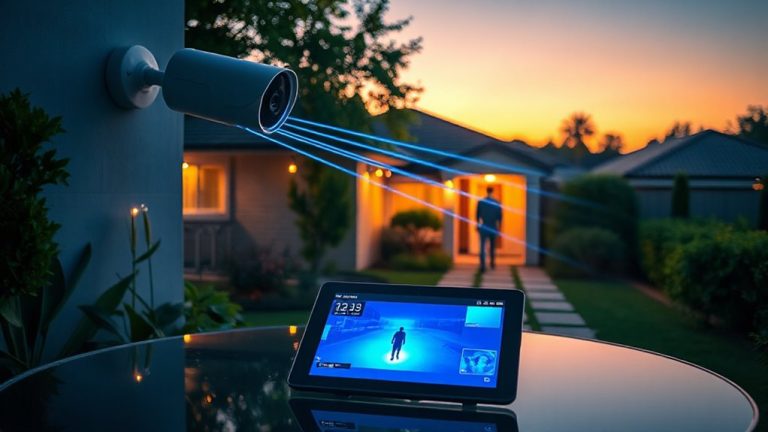
As you adjust your home safety plans to match changes in mobility, vision, and reaction speed, choosing the right security technology becomes a natural next step. Opt for systems that require minimal effort and offer real-time responsiveness. Voice assistants, like Alexa or Google Assistant, let you control devices hands-free, which is ideal if reaching switches is difficult. Pair them with smart lighting to automatically turn lights on at dusk or with voice commands, reducing fall risks and deterring intruders. Smart bulbs range from $15–$50 each, and most work with existing fixtures. Choose models with simple apps or preset routines to avoid confusion. While voice assistants improve accessibility, safeguard privacy by disabling microphones when not in use. Smart lighting enhances visibility, but avoid overly bright settings that may cause glare. Test a single room first, then expand as needed. Keep passwords secure and tech updated. Consider adding a personal alarm for seniors to provide immediate help during emergencies.
Secure Doors and Windows Without Sacrificing Access
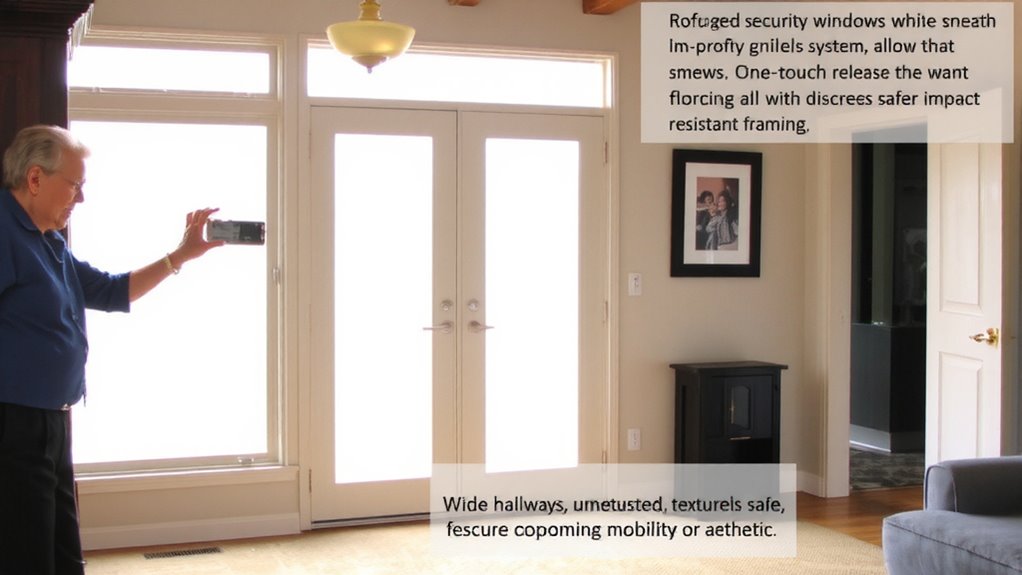
A solid majority of break-ins occur through weak entry points like doors and windows, so securing these areas is essential for protecting elderly household members without limiting their ability to move in and out safely. Use reinforced frames to resist forced entry, and install automatic locks that engage when the door closes-no fumbling with keys. These features boost security while supporting independence.
| Feature | Pros | Cons |
|---|---|---|
| Reinforced frames | Deter break-ins, last longer | Higher upfront cost |
| Automatic locks | Hands-free, easy to use | Requires power source |
| Dual-pane windows with deadbolts | Energy efficient + secure | Professional install needed |
Pair these upgrades with clear sightlines and easy operation so access stays simple. Make sure emergency exits remain unobstructed. Planning now prevents problems later, especially during stressful moments. Upgrading to the best window locks can further enhance security while maintaining ease of use for aging adults.
Set Up Emergency Alerts That Activate Themselves
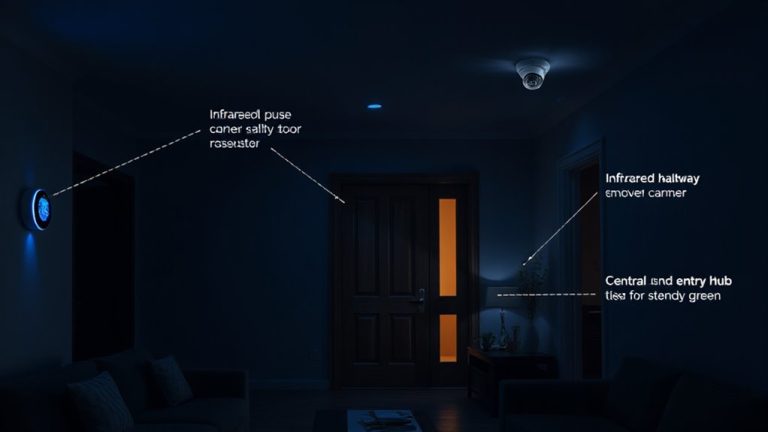
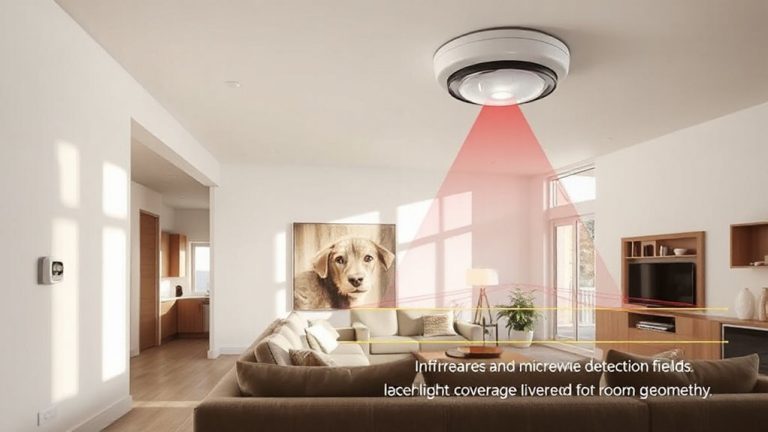
Securing doors and windows sets a strong foundation, but automated emergency alerts add a layer of protection that responds even when help isn’t manually called. You can rely on automatic alerts to notify family or emergency services the moment something’s wrong. These systems use sensor triggers-like motion, door, or glass break sensors-to detect unusual activity. When triggered, they send real-time notifications to your phone or a monitoring center. Most systems integrate with smart home hubs, offering voice alerts and remote access. Installation is straightforward, with wireless sensors taking minutes to set up. Monthly monitoring costs range from $20 to $50, depending on features. While false alarms can happen, proper placement of sensor triggers reduces them. Choose systems with cellular backup to keep alerts active during internet outages. Automatic alerts give you constant oversight, even when you’re not nearby.
Plan Realistic Escape Routes for Limited Mobility
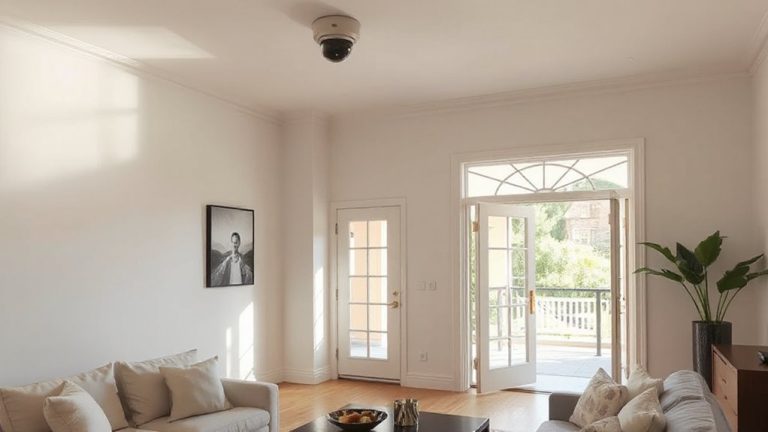
Every home should have at least two escape routes from each room, but for elderly family members with limited mobility, those paths need extra thought and planning. You must assess mobility challenges like using walkers or wheelchairs when mapping exits. Prioritize ground-floor bedrooms to reduce stair use, and guarantee hallways and doorways are at least 32 inches wide for easy passage. Install grab bars and non-slip flooring along escape routes to reduce fall risks. For upstairs rooms, evacuation alternatives might include escape ladders or monitored window exits, but only if usable during an emergency. Test each route with mobility aids to confirm feasibility. Consider a personal alert system with GPS to help responders locate them quickly. Avoid clutter, secure rugs, and use contrasting tape on stairs for visibility. Realistic planning now improves safety later.
Get Family and Caregivers on the Same Page
How do you guarantee everyone involved in your elderly loved one’s care responds the same way during a crisis? Consistency starts with clear family coordination and caregiver alignment. Hold a meeting with all parties-relatives, in-home aides, and medical staff-to review roles, responsibilities, and emergency actions. Document the home defense plan so everyone has access. Miscommunication increases risk, so assign specific tasks: who helps the senior move, who calls for help, who locks doors. Use shared calendars or secure messaging apps to update changes. Family coordination prevents confusion; caregiver alignment guarantees seamless execution. Include contact lists with emergency numbers and backup responders. Revisit the plan every three months or when routines shift. A unified team acts faster and more safely. When all caregivers know the protocol, response time improves by up to 40%. Planning together strengthens reliability and protects your loved one effectively.
Practice Home Defense Calmly and Consistently
Regularly practicing home defense drills can greatly improve response times and reduce confusion during real emergencies. You should establish regular drills that involve all family members and caregivers, ensuring everyone knows their role. These sessions build muscle memory and confidence, especially helpful if mobility or hearing is limited. Perform calm routines monthly, using clear signals like a specific knock or phone alert to indicate a drill is starting. This prevents unnecessary stress while reinforcing preparedness. Keep drills short-five to ten minutes-and consistent in timing and procedure. Use the same escape routes and safe zones each time. Review what worked and adjust as needed. Include communication steps, like calling a trusted contact or using a medical alert system. Regular drills don’t require expensive tools; consistency matters most. Over time, calm routines become second nature, improving safety without added anxiety.
On a final note
You now have a clear, practical plan tailored to your elderly family’s safety. Simple tech, secure exits, and automatic alerts reduce risk without overwhelming users. Involve caregivers early, practice routines calmly, and prioritize mobility-friendly escape routes. Small upgrades, like reinforced doors or medical alert systems, offer strong protection at reasonable costs. Consistent planning today improves response and security tomorrow.