Understanding Legal Boundaries: What Neighborhood Watch Members Can and Cannot Do During Surveillance
You can legally observe and report suspicious activity in public areas, but must avoid following or confronting individuals. Video recording is allowed on public streets if cameras are visible and audio complies with consent laws. Never enter private property or detain suspects-most states don’t allow citizen arrests. Always call 911 to report concerns with clear details. Sharing info with neighbors is okay, but avoid rumors. There’s more to know about staying safe and within your rights.
Notable Insights
- Neighborhood Watch members can observe and report suspicious activity but must not confront or follow suspects.
- Recording in public areas is legal, but cameras must avoid private properties and comply with consent laws.
- Members may share verified information with neighbors but must not spread rumors or unconfirmed claims.
- Citizen arrests are generally prohibited; suspects should be reported to law enforcement, not detained.
- In emergencies, members should call 911 and provide details instead of intervening personally.
What Can Neighborhood Watch Legally Do?
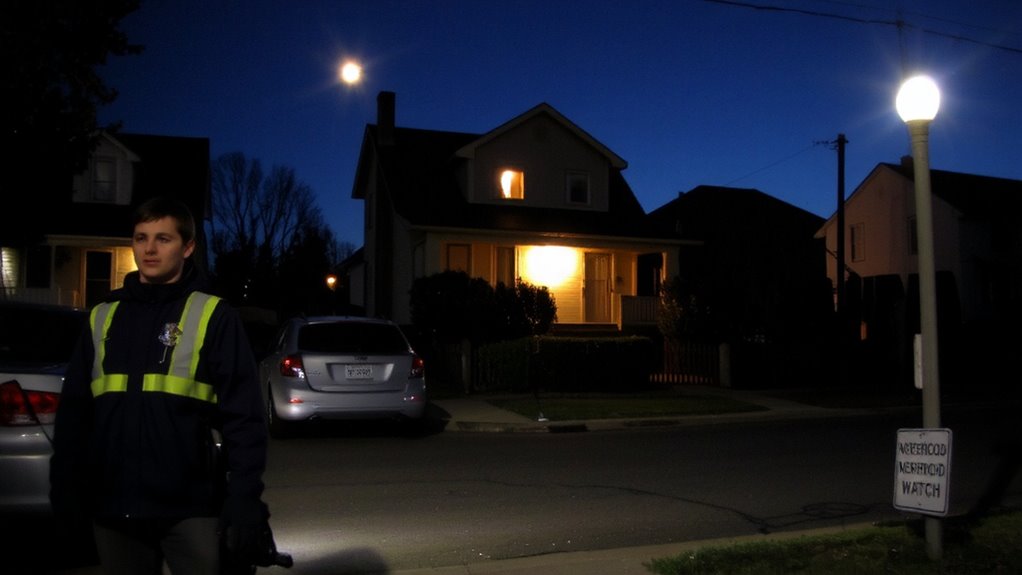
While you might be keen to take an active role in keeping your neighborhood safe, it’s important to understand that Neighborhood Watch groups have clear legal limits on what they can and cannot do. You can participate in Community Patrol, walking or driving routes to monitor your area, but you must not confront suspicious individuals or act as law enforcement. Citizen Observation is encouraged-reporting unusual activity to police is valuable and within your rights. You may share information with neighbors, using apps or group chats, but avoid spreading rumors or unverified claims. Always respect privacy and avoid entering private property. These efforts help deter crime, but they require responsibility. The benefit is increased awareness, though overstepping can lead to legal trouble. Stay informed, stay calm, and work closely with local authorities to guarantee your actions remain lawful, effective, and community-focused.
Can Neighborhood Watch Record Video Legally?
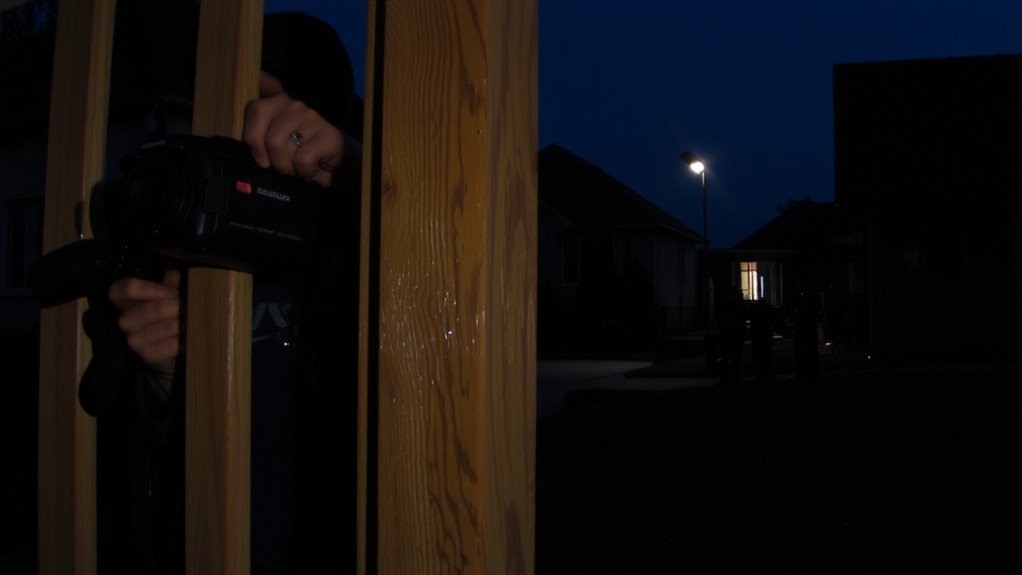
How can you guarantee your Neighborhood Watch stays within legal bounds when using video cameras? You must respect privacy rights while collecting public footage. Recording in public areas like streets or sidewalks is generally legal, as people have lower expectations of privacy there. However, you can’t record in private areas such as backyards or inside homes without consent. Make sure cameras are clearly visible and signposted to notify individuals they’re being recorded. Avoid audio recording unless all parties are aware, as some states have strict two-party consent laws. Store footage securely and delete it after a reasonable period, such as 30 days. Review local laws, since regulations vary by state and municipality. Using video responsibly helps deter crime while protecting civil liberties. Always plan your surveillance strategy with transparency, purpose, and community trust in mind.
Is It Legal to Follow a Suspicious Person?
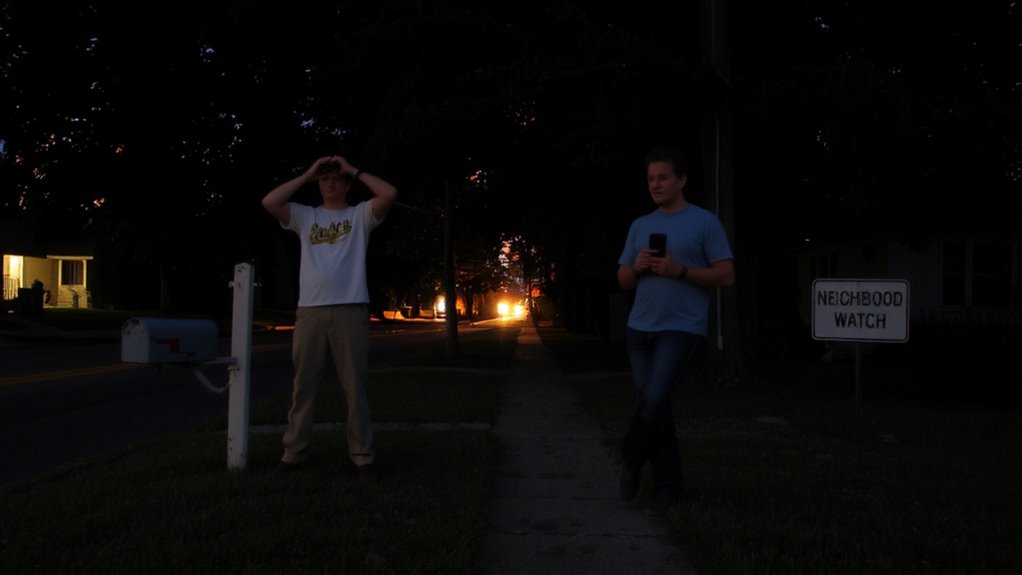
You’ve taken steps to set up cameras the right way, posting signs and avoiding private spaces to stay within the law. But if you see someone acting suspiciously, following them can cross legal lines. As part of a citizen patrol, your role is observation, not pursuit. Tracking a person without consent may be seen as stalking or harassment, especially if done repeatedly. It’s not your job to conduct a private investigation-collecting evidence or trailing suspects risks legal trouble and escalates danger. Instead, note descriptions, locations, and behaviors, then report them. You’re not trained like law enforcement, so acting beyond observation could lead to liability. Sticking to documented, factual reporting keeps you effective and protected. Focus on awareness, not confrontation.
Should You Call 911 Instead of Intervening?
What should you do when you spot suspicious activity-step in or call for help? In most cases, calling 911 is your best move. As a Neighborhood Watch member, your citizen responsibility isn’t to confront but to observe and report. Intervening puts you at risk and could escalate the situation unnecessarily. Instead, follow established emergency protocols: note descriptions, vehicle details, and behavior, then relay them to 911 operators. Trained responders can act safely and legally. Remember, your role is support, not enforcement. Staying calm and using proper procedures increases the chances of a positive outcome. Waiting for authorities also protects you from liability. While it might feel passive, it’s the smarter, safer choice. Let professionals handle confrontations. Your vigilance matters-but so does restraint.
Can Neighborhood Watch Detain a Suspect Legally?
Citizens acting under a Neighborhood Watch program don’t have the legal authority to detain someone, even if they’re suspected of criminal activity. You can’t perform a citizen arrest unless your state explicitly allows it, and even then, it’s risky. A citizen arrest requires clear probable cause-meaning solid, observable evidence the person committed a crime. Without proper legal grounds, detaining someone could lead to liability, lawsuits, or criminal charges against you. Most states limit citizen arrests to felonies or crimes happening in your presence. Even with probable cause, physical confrontation increases danger for everyone involved. The safest and most legal approach is to observe, record details, and report to law enforcement immediately. You’re not trained or authorized like police, so staying at a safe distance protects both community safety and your legal standing. Let professionals handle arrests.
How Can You Help Without Breaking the Law?
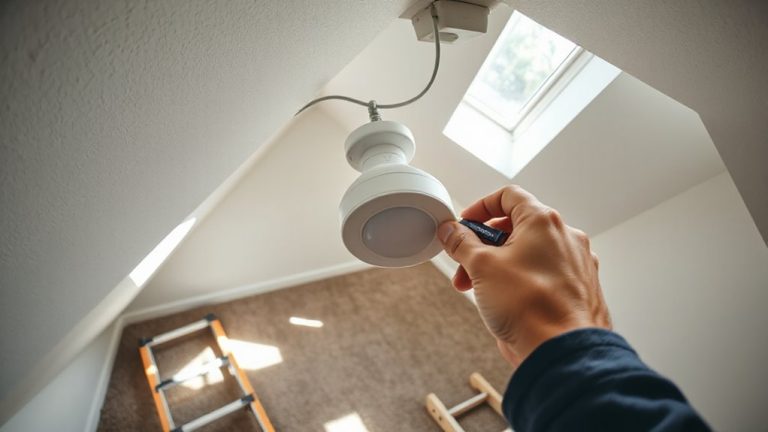
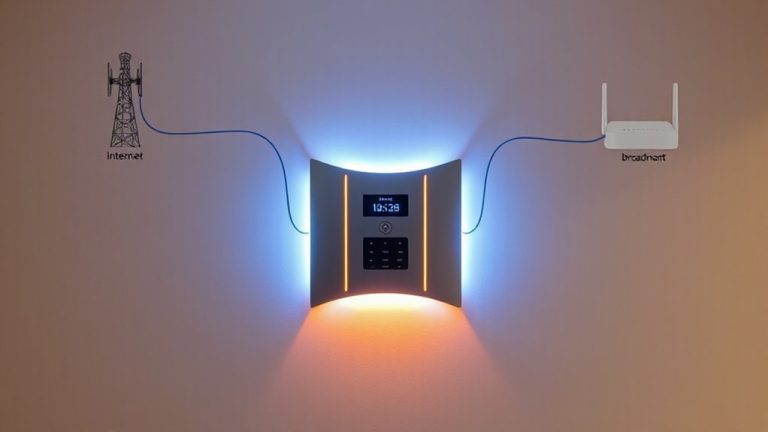
How can ordinary residents contribute meaningfully to neighborhood safety without overstepping legal boundaries? You can strengthen community trust by staying observant and reporting suspicious activity to police promptly, not taking action yourself. Your civic responsibility includes knowing the law and respecting others’ rights. Avoid confronting strangers or conducting surveillance that invades privacy, like monitoring private property with cameras. Instead, participate in organized meetings, share information through approved channels, and support local law enforcement efforts. Install visible but lawful security features, such as motion-lighting or doorbell cameras, which deter crime without overreach. These steps are low-cost and effective, with motion lights typically under $50. Consider upgrading to a monitored system for added protection-many households now rely on the best household alarms to enhance safety, with top models offering smart integration and 24/7 monitoring through best household alarms. Collaboration, clear communication, and restraint maintain safety while preserving legal and social boundaries. You protect your neighborhood best by being informed, prepared, and respectful.
On a final note
You can observe and report, but never confront or detain. Recording video in public areas is legal if it doesn’t invade privacy, like filming inside homes. Following someone isn’t allowed and could lead to liability. Always call 911 instead of intervening. Stay helpful by sharing clear, factual information with police. Your role is prevention and awareness, not enforcement.