Optimal Placement of Door Contact Sensors in Multi-Level Homes for Maximum Coverage
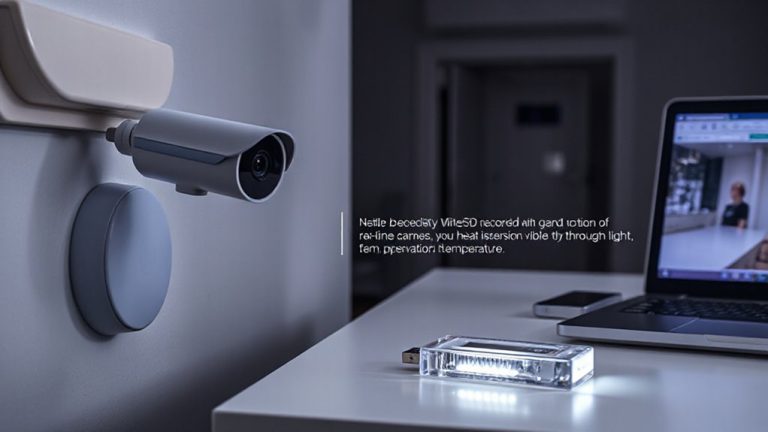
Install door contact sensors on all exterior doors across every level, including basements and upper floors, to close common entry points. Secure ground-floor doors and sliding glass exits with dual-contact sensors, and cover garage-to-home and basement access doors-they’re frequent intrusion paths. Use wireless, tamper-proof models with 1/4-inch magnet alignment to reduce false alarms. Pair with smart systems for alerts. For multi-level homes, extend coverage to stairwell exits and prioritize high-traffic exterior access. Cost runs $20–$50 per sensor, with strategic placement balancing security and efficiency-you’ll find refined tips and layout examples that follow.
Notable Insights
- Install sensors on all exterior doors across every level, including basements and upper-floor exits, to ensure full perimeter coverage.
- Prioritize ground-floor doors and sliding glass entries using dual-contact sensors for enhanced detection of forced entry.
- Secure garage-to-home and basement access doors, common intruder pathways, with moisture-resistant wireless sensors.
- Place sensors on interior doors leading outdoors, such as from kitchens or laundry rooms, to patios or backyards.
- Align sensor components within 1/4 inch and avoid heat sources or drafty areas to prevent false alarms and ensure reliability.
Start With Exterior Entry Points on Every Level
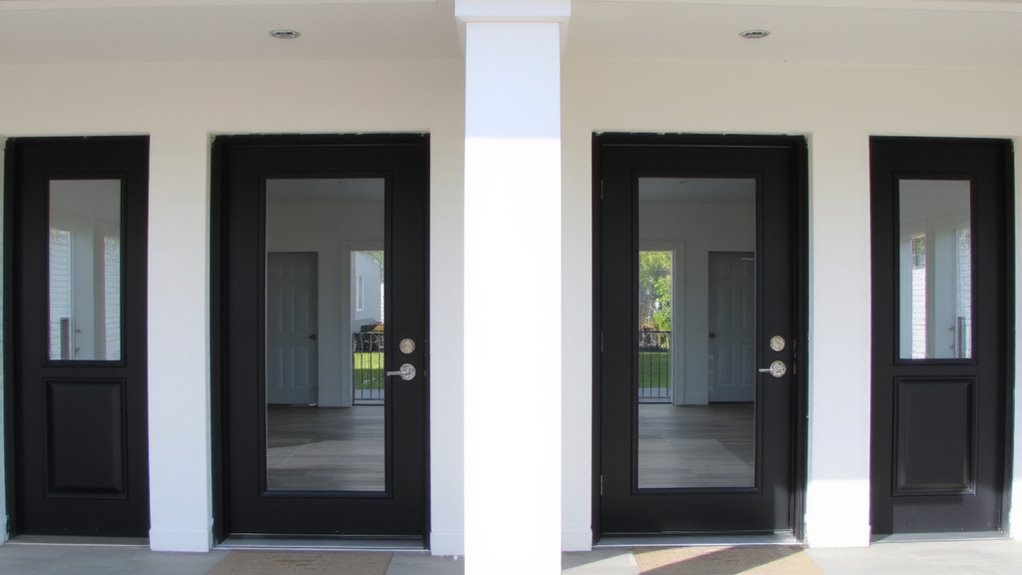
While it might be tempting to focus on high-traffic areas first, you should start by installing door contact sensors on all exterior entry points on every level of your home-this includes doors on the ground floor as well as any basement or upper-level exits. Covering each level guarantees full perimeter monitoring, reducing blind spots burglars might exploit. Make sure to secure doors leading to the front porch and back veranda, as these are common access points. Sensors here act as early detectors, triggering alerts the moment a door opens. Most models are easy to install, with magnetic strips aligning on the door and frame. Battery life typically lasts 2–3 years, and integration with smart home systems lets you monitor activity remotely. Though initial setup may cost $20–$40 per sensor, the investment improves overall security. Prioritize complete coverage before adding interior sensors.
Secure Ground-Floor Doors and Sliding Glass Exits
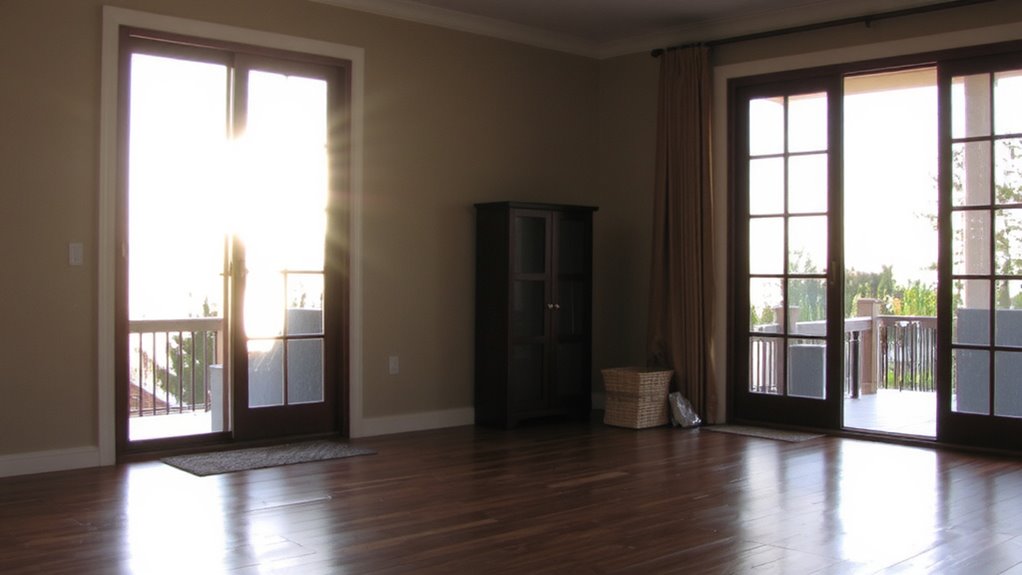
Since ground-floor doors and sliding glass exits are among the most vulnerable entry points, you’ll want to secure them with reliable contact sensors right away. Install sensors on all exterior door frames, including reinforced entry doors, to detect unauthorized openings. For sliding glass doors, use dual-contact sensors that monitor both the stationary and moving panels-this provides effective sliding protection. Choose models with tamper detection and wireless connectivity for real-time alerts. Sensors should sit flush with the frame and door, avoiding paint or debris that might interfere. Battery-powered units are easier to install but require periodic replacement; hardwired options offer continuous power but need professional setup. Expect to spend $20–$50 per sensor, depending on features. Proper placement guarantees immediate detection, reduces false alarms and strengthens security. You’ll gain verified perimeter monitoring, a proven deterrent against break-ins.
Prioritize Garage and Basement Access Doors
Garage and basement access doors are common weak spots intruders exploit, so securing them with contact sensors is the next logical step after reinforcing ground-floor entries. You should prioritize garage reinforcement because the internal door between the garage and home is frequently overlooked yet provides direct access. A triggered sensor here alerts you to movement before an intruder reaches living areas. Similarly, address basement vulnerability by installing sensors on any exterior basement doors or stairwell entrances. These areas are often hidden from view and less monitored. Use wireless sensors for ease of installation in damp or unfinished spaces. Most systems cost $20–$50 per sensor, with professional installation adding value for complex layouts. Guarantee sensors connect reliably to your central hub. This step strengthens your home’s defense where threats are most likely to go unnoticed, improving early detection and system effectiveness. For reliable performance, consider installing one of the top-rated options after reviewing Top Garage Door Sensors.
Monitor Interior Doors That Lead Outside
If you’ve already secured exterior entry points, you’ll want to turn your attention to interior doors that lead outside, as these are often overlooked but pose real security risks. Doors from your kitchen or laundry room to a backyard, patio, or pool area can become unauthorized entry points if left unmonitored. Adding sensors to these doors strengthens interior monitoring and guarantees alerts trigger if someone opens them unexpectedly. It also supports climate control by notifying you if a door is left ajar, preventing heated or cooled air from escaping. These sensors integrate seamlessly with smart home systems, giving you remote alerts and logs of door activity. Though installation is simple and costs $20–$40 per sensor, guarantee placement avoids obstructions. Consistent coverage of both interior and exterior doors provides a thorough defense, making your security system more effective and efficient.
Avoid Common Placement Mistakes That Cause False Alarms
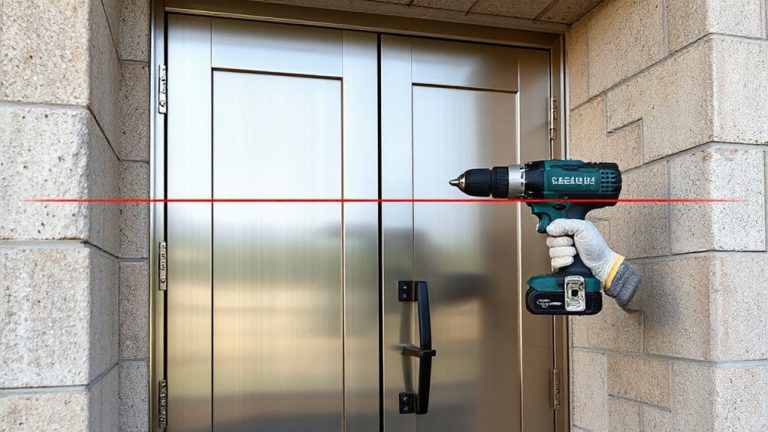
While proper sensor placement boosts home security, installing door contact sensors incorrectly can lead to frequent false alarms that undermine trust in your system. You might set the sensor sensitivity too high, causing it to trigger from minor vibrations or wind pressure-even a slammed cabinet could set it off. Avoid placing sensors near heat sources or windows where environmental interference like drafts or temperature swings occur, as these can expand or contract door frames slightly, making the contact appear broken. Mount both sensor and magnet squarely, within the recommended 1/4-inch gap; misalignment is a common cause of erratic behavior. Test the door’s movement under normal use and extreme weather to guarantee consistent operation. Choosing sensors with adjustable sensitivity settings gives you better control and reduces false triggers, especially in older homes with shifting structures.
Use Sensors to Cover Multi-Story Stairwell Exits
You can strengthen your home’s security by installing door contact sensors on multi-story stairwell exits, especially in homes with internal access points between floors. Stairwell monitoring helps detect movement between levels, limiting blind spots during intrusions. By focusing on vertical coverage, you guarantee all entry pathways-like basement or attic stairwells-are included in your system’s perimeter. These sensors work best on doors at the top or bottom of staircases leading to secured areas. They integrate seamlessly with most smart home hubs and send alerts if triggered at odd hours. While installation is simple, improper alignment can reduce effectiveness. Consider using tamper-proof models for added reliability. This setup supports layered defense without replacing existing door sensors on exterior entries. For best results, test monthly and align with motion detectors if used together.
Balance Coverage and Cost With Strategic Sensor Spacing
Placing sensors on stairwell exits improves vertical security, but spreading them across all doors without a plan can drive up costs and create gaps in protection. You need to balance sensor density with your budget-too few sensors leave vulnerabilities, while too many increase false alarms due to higher alarm sensitivity. Focus on entry points first, like ground-floor doors and garage access, then prioritize stairwells between levels. A strategic spacing of one sensor per high-risk opening typically offers best coverage without redundancy. Consider adjustable alarm sensitivity settings to reduce nuisance triggers from vibration or wind. Wired systems offer reliability but cost more to install; wireless models cut upfront expenses but may need battery replacements. Plan placement using a floor map to visualize coverage and avoid overlap. This approach maximizes protection, minimizes cost, and guarantees effective, long-term home security. For added peace of mind, consider securing valuables in a best safe deposit box to complement your home’s electronic security system.
On a final note
You’ll maximize home security by installing door contact sensors on all exterior entry points across every level, especially ground-floor doors, garage access points, and sliding exits. Avoid placing sensors near heat sources or moving objects to reduce false alarms. Use them on interior doors leading outside and multi-story stairwell exits for full coverage. Strategic spacing balances protection and cost, ensuring reliable detection without overspending on unnecessary units.