Family Safety Drills: Fire, Break-In, Earthquake & More
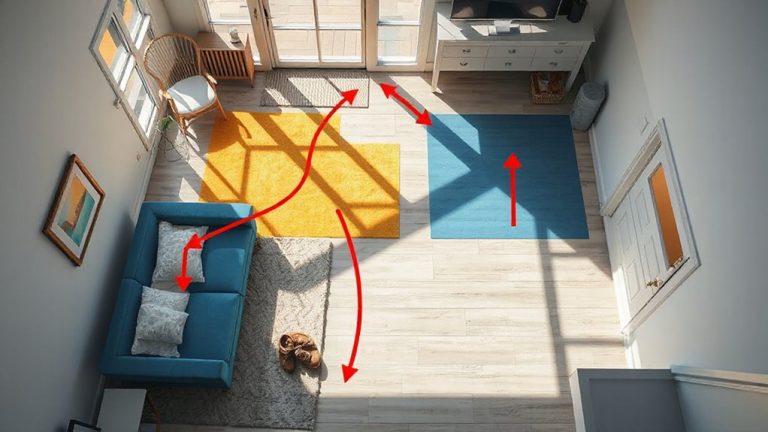
You should practice fire drills twice a year, guaranteeing everyone stays low and uses two escape routes from each room. Install smoke alarms and test them monthly. For break-ins, lock doors and windows, and run quiet hiding drills monthly. Teach kids to recognize safe strangers and respond loudly if approached. Simulate no-phone emergencies each season using whistles or flashlight signals. A reviewed, updated plan every six months keeps your family prepared for any crisis-key steps guarantee faster, safer responses when seconds count.
Notable Insights
- Practice fire escape drills twice a year, ensuring two exits from every room and meeting at a designated outdoor spot.
- Conduct monthly break-in safety drills focusing on quiet hiding, locking doors, and testing home alarm systems.
- Role-play stranger safety scenarios with children, teaching them to run, yell, and find safe adults if approached.
- Run earthquake and tornado drills twice a year using “drop, cover, and hold on” and sheltering in windowless interior rooms.
- Test emergency communication methods like whistles, flashlight signals, and hand-crank radios during seasonal no-phone drills.
Create Your Home Fire Escape Plan
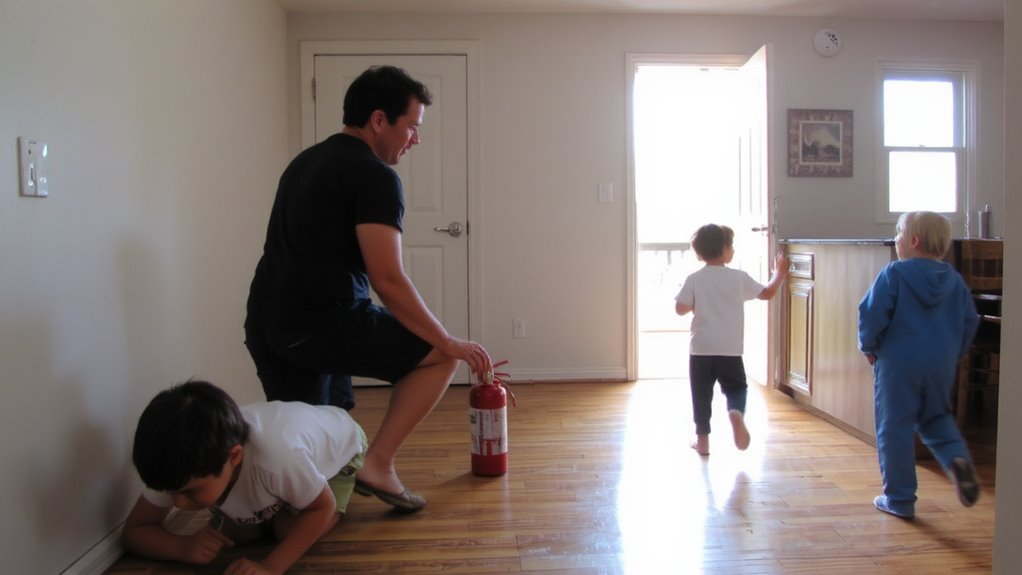
While every family hopes they’ll never need one, having a well-practiced home fire escape plan considerably increases your chances of getting out safely-statistics show that working smoke alarms and practiced escapes reduce fire-related fatalities by nearly 50%. You should install smoke alarms on every level of your home, especially near bedrooms, and test them monthly. For effective fire prevention, create two escape routes from each room and designate a meeting spot outside. Practice the plan twice a year, ensuring everyone knows to stay low under smoke and never re-enter the home. Make sure windows and doors open easily, and consider escape ladders for upper floors. Smoke alarms should be replaced every 10 years. A clear, simple plan with working equipment considerably improves safety during emergencies.
Practice Home Break-In Safety Drills

A well-prepared home is your best defense during a break-in, and practicing safety drills regularly can reduce panic and improve response times under pressure. Strengthen your home security by identifying safe rooms, securing entry points, and establishing communication plans. Effective intruder response starts with staying calm, staying quiet, and knowing how to contact emergency services. Practice silently locking doors, hiding, and signaling for help. Use drills to test locks, lighting, and alert systems monthly.
| Action | Benefit | Frequency |
|---|---|---|
| Lock doors/windows | Deters intruder entry | Daily |
| Practice quiet hiding | Reduces detection risk | Monthly |
| Test alarm system | Guarantees reliable home security | Monthly |
| Review escape routes | Improves intruder response speed | Quarterly |
| Call emergency number | Confirms quick access to help | Semi-annually |
Prepare for Natural Disasters: Storms, Earthquakes, and More
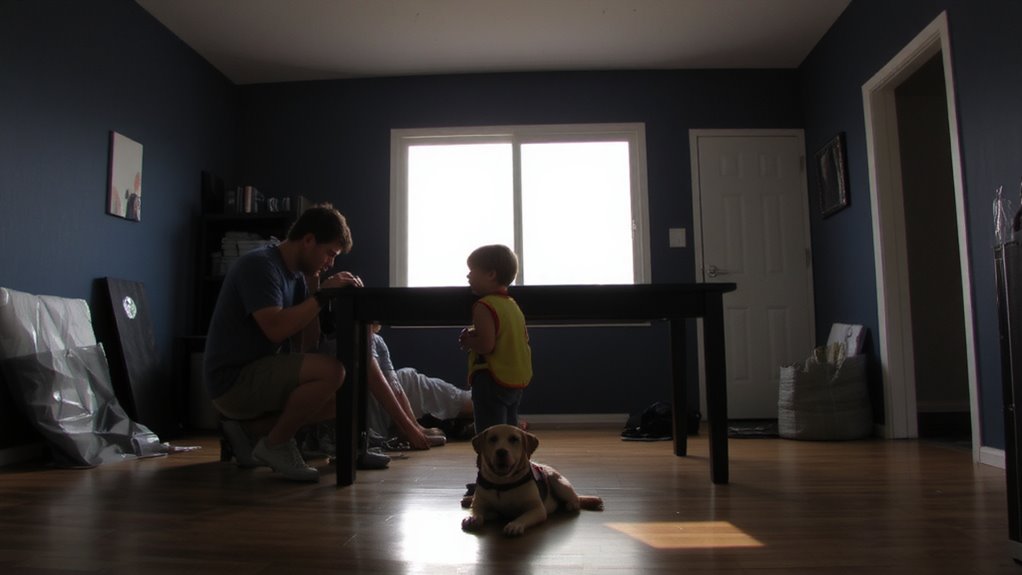
What would you do if a tornado warning interrupted dinner or an earthquake struck while you were asleep? Staying safe starts with storm preparedness and earthquake readiness. For storms, identify a windowless interior room like a closet or basement, and practice getting there quickly. Keep flashlights, batteries, and a weather radio on hand. For earthquakes, secure heavy furniture to walls and learn to drop, cover, and hold on-practice this drill twice a year. Store emergency kits with water, food, and meds for at least 72 hours. Homes in high-risk zones benefit from reinforced structures and shatter-resistant window film. While retrofitting costs $2,000–$6,000, it may reduce injury and damage. Early warning systems help, but immediate action matters most. Review local evacuation routes and family communication plans regularly to stay prepared.
Teach Kids Safety Drills for Stranger Situations
One of the most effective ways to protect your children is by teaching them clear, practiced responses to potential stranger situations. Use role-play to reinforce stranger danger awareness while helping kids identify a safe stranger-like a police officer or store employee-if they ever feel lost or threatened. Stay calm and factual; fear won’t help them think clearly.
| Situation | Child’s Reaction | Outcome |
|---|---|---|
| A stranger offers candy | Steps back, runs away, tells a trusted adult | Stays safe |
| Gets lost at the mall | Finds a safe stranger (uniformed worker) | Reunited quickly |
| Someone follows them | Yells “No!” and runs to a neighbor’s house | Avoids danger |
| Asked for help by a stranger | Says “I need to ask my parents” and walks away | Stays in control |
| Stranger tries to grab them | Screams “This isn’t my dad!” and draws attention | Triggers public response |
Practice No-Phone Emergencies and Communication Drills
How would your family respond if a power outage knocked out cell service during an emergency? Without phones, you’ll need backup communication methods. Establish emergency signals-like a whistle pattern or flashlight blink-to locate or alert each other. Practice these during role playing scenarios that simulate real situations, such as a fire or storm where phones fail. Designate meeting spots and assign roles, ensuring everyone knows what to do. These drills improve coordination and reduce panic. Pros include faster response times and clearer family communication; a con is needing consistent practice to stay effective. Use low-cost tools like whistles or hand-crank radios. Conduct these drills at least once per season. This prepares your household to act quickly and safely when technology isn’t an option, ensuring everyone understands their role, especially children. Emergency signals and role playing scenarios build confidence and competence during high-stress moments.
Test and Update Your Family Safety Plan Every 6 Months
Regularly testing and updating your family safety plan every six months guarantees it remains effective and relevant. Family needs, living conditions, and local risks change, so reviewing your plan makes certain everyone knows the latest evacuation routes and locations of emergency supplies. Conducting drills reveals gaps in preparation and helps younger members respond confidently.
| Focus Area | Action Item |
|---|---|
| Evacuation routes | Confirm all paths are clear and practiced |
| Emergency supplies | Check expiration dates and restock |
| Contact info | Update phone numbers and meeting spots |
| Drill performance | Review response times and behaviors |
| Plan revisions | Adjust based on feedback and changes |
Update storage locations if needed and involve all family members. Set calendar reminders to maintain consistency.
On a final note
You should review your family’s safety drills every six months to guarantee everyone remembers their role during an emergency. Practicing fire, break-in, and natural disaster plans regularly improves response time and reduces panic. Teach kids how to react around strangers and handle situations without a phone. Clear communication and updated plans save lives. These simple, evidence-based steps strengthen preparedness without high costs or complexity.